
JetBlue Overhauls Descent Procedures Following Turbulence Safety Review
Breaking airline news and aviation industry updates for 2026.

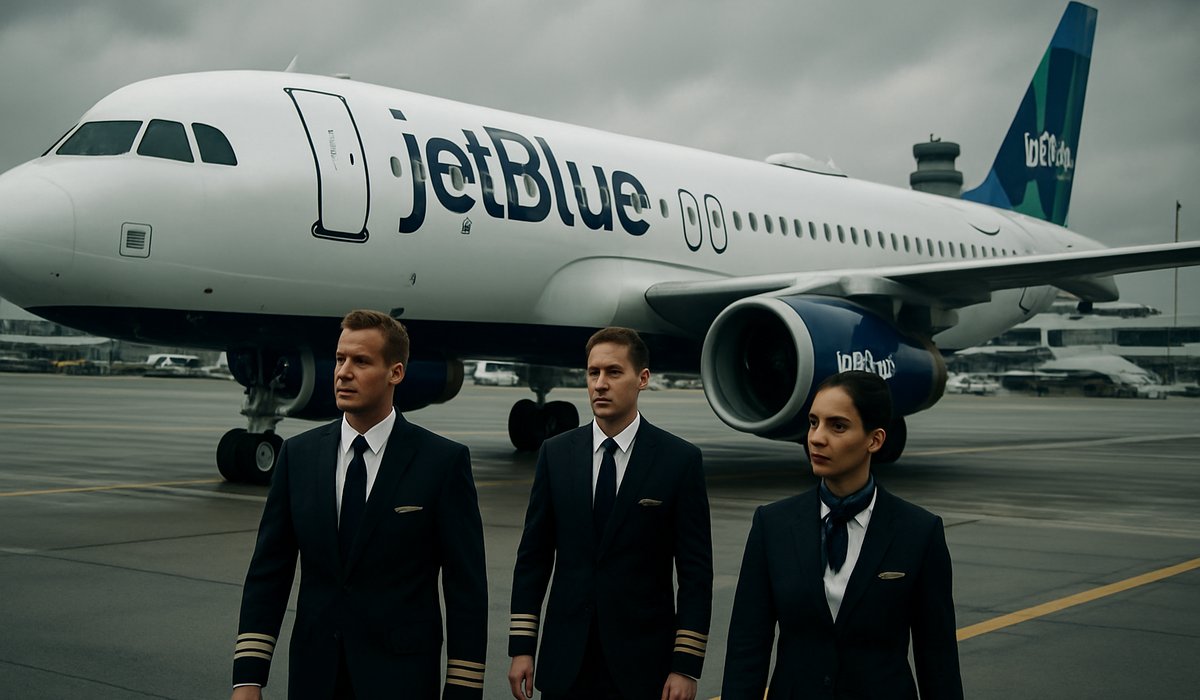
Image generated by AI
JetBlue Overhauls Descent Procedures Following Turbulence Safety Review
Major US carrier joins industry-wide safety movement as airlines implement stricter operational protocols during critical flight phases
Breaking: JetBlue Revamps Flight Operations in Response to Safety Data
JetBlue Airways has announced a significant overhaul of its descent procedures, marking the airline's entry into a broader industry reassessment of safety protocols during high-risk phases of flight. The New York-based carrier has completed an internal analysis of turbulence-related operational data and confirmed that procedural updates will be implemented as part of what executives are characterizing as a crew-safety enhancement initiative.
The announcement, first reported through aviation industry channels, reflects growing momentum among major US carriers to strengthen operational safeguards during descent operations—a critical phase when aircraft transition from cruise altitude and prepare for landing.
Industry-Wide Safety Movement Gains Momentum
JetBlue's decision positions the carrier alongside other major airlines that have recently undertaken similar operational reviews. The shift underscores escalating concerns within the aviation sector regarding passenger and crew safety during turbulent conditions, with carriers increasingly turning to data-driven analysis to refine standard operating procedures.
While JetBlue has not disclosed specific details about the new procedures, company officials have emphasized the crew-safety dimensions of the initiative. The airline's internal assessment examined historical turbulence incidents and operational responses, likely informing the scope of procedural modifications.
What This Means for Crew Operations
The procedural changes are expected to affect how cabin crews manage duties during descent phases, potentially including revised protocols for seatbelt requirements, beverage service timing, and equipment stowage procedures. Such modifications aim to minimize injury risk during unexpected atmospheric disturbances.
Industry observers note that this wave of procedural updates reflects lessons learned from recent high-profile turbulence incidents and heightened regulatory scrutiny of airline safety protocols. As atmospheric conditions grow increasingly unpredictable due to climate factors, carriers are adopting more conservative operational frameworks.
JetBlue's approach aligns with aviation industry best practices, where data analytics inform continuous operational improvements. The carrier's commitment to implementing evidence-based safety measures demonstrates the sector's responsiveness to emerging risk factors.
The aviation industry remains focused on balancing operational efficiency with passenger and crew protection—a challenge that has become more acute as environmental variables affecting flight safety evolve. JetBlue's procedural revision is expected to be finalized within coming months, with crew training implementations following thereafter.
FAQ: Airline Safety Procedures and Turbulence Operations
What causes airlines to change descent procedures? Airlines revise descent protocols primarily in response to safety data analysis, turbulence incident reviews, and crew feedback. Carriers examine operational patterns to identify opportunities for reducing injury risks during vulnerable flight phases.
How do descent procedure changes affect passengers? Procedural modifications typically impact crew service timing and in-cabin activities rather than passenger comfort directly. Changes may include adjusted beverage service windows or stricter equipment stowage requirements during descent.
Why are multiple airlines updating procedures simultaneously? The aviation industry operates under shared safety standards and learns collectively from incident data. When one carrier identifies procedural improvements, others often conduct similar reviews, creating industry-wide adoption patterns.
What is the difference between a descent procedure and a cruise procedure? Descent procedures govern operations as aircraft transition downward from cruising altitude toward landing approach. These procedures differ from cruise operations because they involve more dynamic atmospheric conditions and increased crew activity requirements.
How does turbulence data inform airline safety decisions? Airlines analyze turbulence incident reports—including injury records, crew observations, and atmospheric condition data—to identify patterns and implement targeted procedural adjustments that reduce vulnerability during rough conditions.
Related Travel Guides
Flight Delay Compensation Guide 2026
Understanding Airline Route Changes
Airport Security Process Updated (2026)
External Resources
Disclaimer
This article is for informational and educational purposes only. It does not constitute legal, financial, or professional advice. While we strive to provide accurate and up-to-date information, travel policies, regulations, and conditions change rapidly. Always verify information with official sources before making travel decisions. Nomad Lawyer makes no representations about the accuracy, reliability, completeness, or suitability of the information provided. Readers should consult qualified professionals for advice specific to their circumstances. The views expressed in this article are those of the author and do not necessarily reflect the views of Nomad Lawyer.
Preeti Gunjan
Contributor & Community Manager
A passionate traveller and community builder. Preeti helps grow the Nomad Lawyer community, fostering engagement and bringing the reader experience to life.
Learn more about our team →