
Airbus A350-1000 Emerges as Game-Changer for Emirates' Ambitious Ultra-Long-Haul Expansion Strategy
Breaking airline news and aviation industry updates for 2026.

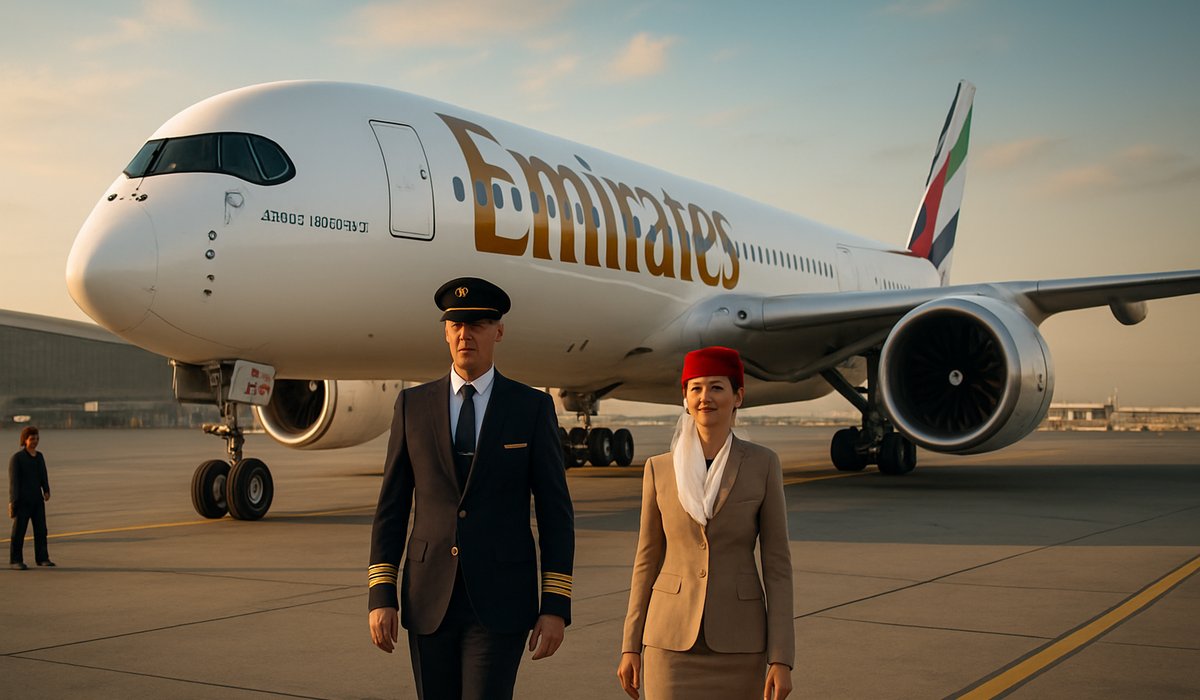
Image generated by AI
Airbus A350-1000 Emerges as Game-Changer for Emirates' Ambitious Ultra-Long-Haul Expansion Strategy
Gulf carrier positions next-generation widebody to reshape its fleet composition and extend network reach beyond current Boeing and Airbus limitations
Emirates' Long-Haul Dominance Built on Fleet Simplicity
Emirates has established itself as a rare outlier in global aviation, constructing an unparalleled ultra-long-haul empire from its Dubai hub using just two aircraft types: the Boeing 777 and the Airbus A380. For decades, this streamlined fleet strategy has enabled the airline to operate an extensive network of point-to-point routes exceeding 14, 15, and occasionally surpassing 16 hours of flight time—a feat few carriers have attempted with such consistency and scale.
This focused operational model has allowed Emirates to optimize crew training, maintenance protocols, and spare parts inventory while maximizing profitability on grueling intercontinental routes that connect the Middle East to distant markets across the Americas, Europe, and Asia-Pacific regions.
Strategic Entry: The A350-1000 as Next-Generation Solution
The introduction of the Airbus A350-1000 into Emirates' fleet represents a significant departure from this two-aircraft strategy, signaling the carrier's recognition that even its iconic widebodies face limitations in an evolving aviation landscape shaped by fuel price volatility, changing demand patterns, and technological advancement.
The A350-1000, featuring advanced engine efficiency and extended range capabilities, positions itself as an ideal complement to Emirates' existing long-haul infrastructure. The aircraft's superior fuel economy directly addresses escalating jet fuel costs that have pressured airline margins globally, while its modern avionics and cabin systems enhance passenger comfort on the airline's signature ultra-long routes.
Expanding Network Possibilities
By incorporating the A350-1000 into its fleet composition, Emirates gains flexibility to optimize route profitability and potentially establish new ultra-long-haul services where current aircraft may face operational or economic constraints. The transition signals confidence in next-generation widebody technology while maintaining the airline's commitment to premium long-haul travel.
Industry analysts note that this fleet evolution reflects broader aviation sector trends, where carriers are retiring older generation aircraft in favor of fuel-efficient models that reduce per-seat emissions and operating costs—critical factors as environmental regulations tighten globally and sustainability becomes increasingly central to airline strategy.
Looking Forward
Emirates' gradual diversification beyond its traditional two-aircraft model demonstrates that even the most successful ultra-long-haul specialists recognize the operational and financial advantages of modern widebody technology in today's volatile fuel cost environment and competitive global market.
FAQ: Understanding Emirates' Fleet Strategy and Ultra-Long-Haul Aviation
Q: Why do airlines focus on ultra-long-haul routes despite high jet fuel prices? A: Ultra-long-haul routes command premium pricing, particularly for business class travel, which generates substantial per-seat revenue that offsets elevated fuel consumption and operational costs associated with 14+ hour flights.
Q: How do modern aircraft like the A350-1000 reduce airline operating costs? A: Next-generation widebodies feature advanced engines and aerodynamic designs that consume approximately 20-25% less fuel per seat than previous generation aircraft, directly improving profitability on expensive intercontinental routes.
Q: What advantages does fleet simplicity provide airlines? A: Operating fewer aircraft types reduces pilot and crew training expenses, streamlines maintenance procedures, lowers spare parts inventory costs, and improves operational efficiency—benefits Emirates maximized with its two-aircraft strategy.
Q: How do baggage charges and ancillary fees factor into ultra-long-haul economics? A: Baggage fees and ancillary revenue become increasingly important on extended routes where passengers expect premium service; airlines offset higher fuel costs partly through strategic ancillary pricing.
Q: Which airlines currently operate the longest nonstop flights globally? A: Singapore Airlines, Qatar Airways, and Emirates operate routes exceeding 17-18 hours, with ultra-long-haul flying concentrated among Gulf carriers and select Asian and Australian airlines leveraging geography and hub advantages.
Related Travel Guides
Flight Delay Compensation Guide 2026
Understanding Airline Route Changes
Airport Security Process Updated (2026)
External Resources
Disclaimer
This article is for informational and educational purposes only. It does not constitute legal, financial, or professional advice. While we strive to provide accurate and up-to-date information, travel policies, regulations, and conditions change rapidly. Always verify information with official sources before making travel decisions. Nomad Lawyer makes no representations about the accuracy, reliability, completeness, or suitability of the information provided. Readers should consult qualified professionals for advice specific to their circumstances. The views expressed in this article are those of the author and do not necessarily reflect the views of Nomad Lawyer.
Raushan Kumar
Founder & Lead Developer
Full-stack developer with 11+ years of experience and a passionate traveller. Raushan built Nomad Lawyer from the ground up with a vision to create the best travel and law experience on the web.
Learn more about our team →