
South Korea’s Jeju Air Implements Unpaid Leave as Soaring Jet Fuel Costs Threaten Low-Cost Travel and Summer Tourism in 2026
South Korea's leading low-cost carrier, Jeju Air, has introduced an unpaid leave initiative to combat soaring global jet fuel prices, raising concerns about the future of affordable travel and potential disruptions to Jeju Island's tourism.

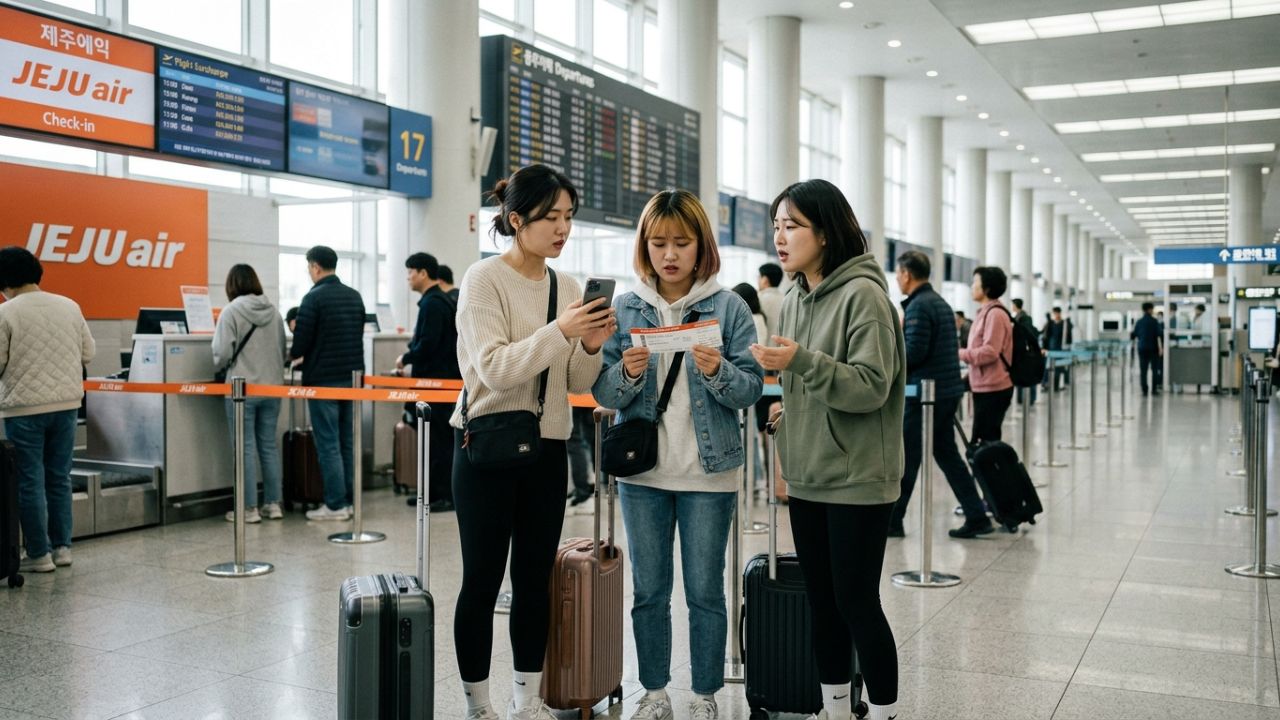
Image generated by AI
South Korea’s Jeju Air Implements Unpaid Leave as Soaring Jet Fuel Costs Threaten Low-Cost Travel and Summer Tourism in 2026
Published on May 13, 2026
A turbulent economic headwind is battering the global aviation industry, and South Korea’s most prominent budget carrier is feeling the severe financial impact. In a stark reflection of the escalating economic pressures facing low-cost airlines in 2026, Jeju Air has announced an unprecedented unpaid leave initiative for its workforce. This dramatic cost-saving measure comes as airlines worldwide grapple with soaring, highly volatile jet fuel prices that are rapidly eroding operational margins. For travelers who have long relied on Jeju Air for affordable flights to Jeju Island—South Korea’s premier domestic holiday destination—as well as highly popular international routes across Asia, the announcement raises urgent questions about the future of low-cost travel. By offering unpaid leave, Jeju Air is executing a defensive strategy designed to stabilize its finances, prevent mass layoffs, and maintain its critical flight schedules ahead of the busy summer tourism season. However, as the financial strain mounts across the broader South Korean aviation sector, travelers must prepare for the potential ripple effects: reduced frequencies, rising ticket prices, and an increasingly challenging environment for booking a budget-friendly luxury escape.
Quick Summary:
- Jeju Air, South Korea's largest low-cost carrier, has introduced an unpaid leave initiative for employees to combat severe financial strain caused by soaring global jet fuel prices in 2026.
- The cost-saving measure is strategically designed to preserve long-term financial stability and avoid drastic workforce layoffs while maintaining core operational capacity.
- Jeju Island, the airline's primary hub and South Korea's top domestic tourism destination, faces potential impacts if staffing shortages disrupt peak summer flight schedules.
- Rising fuel costs are affecting the broader South Korean aviation sector, with legacy carriers like Korean Air and Asiana Airlines also exploring cost-cutting measures and increasing fuel surcharges.
- Budget-conscious travelers may face higher ticket prices and reduced flight frequencies as low-cost carriers struggle to maintain ultra-affordable fares amid escalating operational expenses.
- The unpaid leave initiative underscores the extreme vulnerability of the low-cost airline business model to macroeconomic volatility, geopolitical tensions, and supply chain issues.
The Jet Fuel Crisis: Why Jeju Air is Pushing for Unpaid Leave
To understand why Jeju Air has resorted to unpaid leave, one must look at the brutal math of the low-cost carrier (LCC) business model. Budget airlines operate on razor-thin profit margins, surviving by stimulating high passenger volumes with rock-bottom base fares and charging extra for ancillaries. In this model, jet fuel is invariably the single largest operational expense.
When global fuel prices spike, legacy airlines can often absorb the shock by leaning on high-yield business class and corporate travelers. Low-cost carriers like Jeju Air do not have that luxury. As jet fuel costs skyrocket in 2026, the cost of operating a flight outpaces the revenue generated from budget-conscious leisure travelers.
By implementing an unpaid leave initiative, Jeju Air management is attempting a delicate balancing act. The goal is to aggressively reduce payroll expenses without resorting to permanent layoffs, ensuring the airline retains its trained workforce for when market conditions eventually stabilize. It is a necessary, albeit painful, survival tactic in an increasingly hostile economic environment.
Shielding Jeju Island Tourism From the Aviation Turbulence
The financial health of Jeju Air is inextricably linked to the economic vitality of its namesake destination: Jeju Island. Often dubbed the "Hawaii of South Korea," this spectacular volcanic island is the undisputed crown jewel of the nation's domestic tourism industry, drawing millions of visitors annually to its pristine beaches, luxury wellness resorts, and the UNESCO-listed Hallasan Mountain.
The Seoul-Gimpo to Jeju route is historically one of the busiest air corridors in the world. Jeju Air operates a massive percentage of these flights, acting as the primary vital artery supplying tourists to the island's hotels, restaurants, and local attractions.
The urgent concern for 2026 is how the unpaid leave initiative might impact operational reliability during the peak summer travel months. If staffing shortages force the airline to trim its schedule or consolidate flights, the resulting capacity drop could trigger a ripple effect across the island's tourism ecosystem. Local businesses are watching closely, hoping the airline can maintain its frequencies to support the crucial summer revenue window.
The Ripple Effect Across South Korea’s Aviation Sector
Jeju Air is the canary in the coal mine for South Korea's broader aviation industry. The soaring fuel prices triggering this crisis are entirely indiscriminate, impacting every carrier from budget startups to national flag carriers.
Major legacy airlines, including Korean Air and Asiana Airlines, are also feeling the intense financial pinch. While their diversified revenue streams—including lucrative long-haul international routes and robust cargo operations—provide a stronger financial buffer, they are not immune. Travelers booking flights across the South Korean network are already noticing the impact through steadily creeping fuel surcharges added to their ticket prices.
For the budget sector, however, the squeeze is existential. Competing low-cost carriers like Jin Air, T'way Air, and Air Busan are facing the exact same fuel cost math. If fuel prices remain elevated, the era of the ultra-cheap, spur-of-the-moment weekend getaway to Southeast Asia or Japan may temporarily pause, forcing a fundamental reset of passenger expectations regarding the true cost of air travel.
How Airlines Are Adapting to Survive the 2026 Financial Squeeze
Despite the formidable challenges, airlines are proving remarkably resilient, employing sophisticated strategies to offset the fuel crisis. For Jeju Air, survival means looking beyond just payroll reductions.
Route optimization is critical. The airline is analyzing its network with ruthless efficiency, potentially suspending underperforming or low-yield routes to deploy aircraft only where demand is strongest and most profitable. Furthermore, operational streamlining—such as optimizing flight altitudes, reducing aircraft weight, and utilizing single-engine taxiing—is being implemented to squeeze every possible mile out of a gallon of jet fuel.
Most importantly for travelers, airlines will double down on ancillary revenues. Expect airlines to become much more aggressive in marketing paid seat assignments, extra baggage allowances, priority boarding, and inflight meals. In a high-fuel-cost environment, these high-margin add-ons are the lifeline that keeps the base fare relatively affordable.
Guide for Travelers:
- Book flights early and expect surcharges: In a volatile fuel market, airlines adjust their fuel surcharges frequently. Booking well in advance locks in your base fare and protects you from sudden, reactive price hikes.
- Travel light to save money: As airlines lean heavily on ancillary revenues to offset fuel costs, baggage fees are likely to increase. Traveling with just a carry-on is the most effective way to keep your LCC ticket genuinely "low cost."
- Monitor flight schedules closely: If airline staffing is impacted by unpaid leave initiatives, schedule changes or consolidations become more likely. Always check your flight status 24 hours before departure and ensure your contact details in the booking are correct.
- Invest in travel insurance: Given the operational uncertainties currently facing the aviation industry, a comprehensive travel insurance policy that covers trip cancellations, delays, and rebooking costs is essential for peace of mind.
- Best time to visit Jeju Island: Late spring (May) offers gorgeous weather before the summer crowds arrive, while autumn (September-October) provides spectacular foliage and comfortable temperatures, perfect for travelers seeking a tranquil, immersive cultural experience.
- Alternative domestic travel: If flights to Jeju become too expensive, consider exploring South Korea's high-speed KTX rail network, which connects Seoul to incredible coastal cities like Busan and Gangneung in under three hours.
Related Travel Guides
- Vietnam’s Mega Airport Faces Major Rail Connectivity Challenges Ahead of 2026 Opening
- Toki Air Relaunches Historic Sado Island Flights After 12-Year Hiatus
- Middle East Aviation Crisis: Flight Suspensions and Travel Advice for 2026
The unpaid leave initiative launched by Jeju Air is a stark reminder of the fragile economics that underpin modern aviation. For years, travelers have enjoyed the golden era of low-cost carriers, exploring new destinations across Asia for less than the price of a luxury dinner. But as soaring global fuel costs redefine the financial reality of 2026, the industry is being forced into difficult, defensive maneuvers. For Jeju Island, a dream destination utterly dependent on the steady, affordable flow of airborne visitors, the stakes could not be higher. While Jeju Air's strategic cost-cutting measures are designed to ensure its long-term survival and protect its workforce from mass layoffs, the immediate impact will undoubtedly be felt by the consumer. As the airline navigates this turbulent period, travelers seeking a budget-friendly luxury escape must become more strategic—booking earlier, packing lighter, and adapting to a travel landscape where the true cost of flying is finally catching up with the ticket price.
Disclaimer
This article is for informational and educational purposes only. It does not constitute legal, financial, or professional advice. While we strive to provide accurate and up-to-date information, travel policies, regulations, and conditions change rapidly. Always verify information with official sources before making travel decisions. Nomad Lawyer makes no representations about the accuracy, reliability, completeness, or suitability of the information provided. Readers should consult qualified professionals for advice specific to their circumstances. The views expressed in this article are those of the author and do not necessarily reflect the views of Nomad Lawyer.
Kunal K Choudhary
Co-Founder & Contributor
A passionate traveller and tech enthusiast. Kunal contributes to the vision and growth of Nomad Lawyer, bringing fresh perspectives and driving the community forward.
Learn more about our team →