
One-Ticket Holidays Redefine Asian Travel as Japan and South Korea Transform Multi-City Transit
As the nationwide Japan Rail Pass prepares for an October 1 price rise to ¥53,000, integrated passes across Seoul, Beijing, Shanghai, and Singapore eliminate travel friction across Asia.

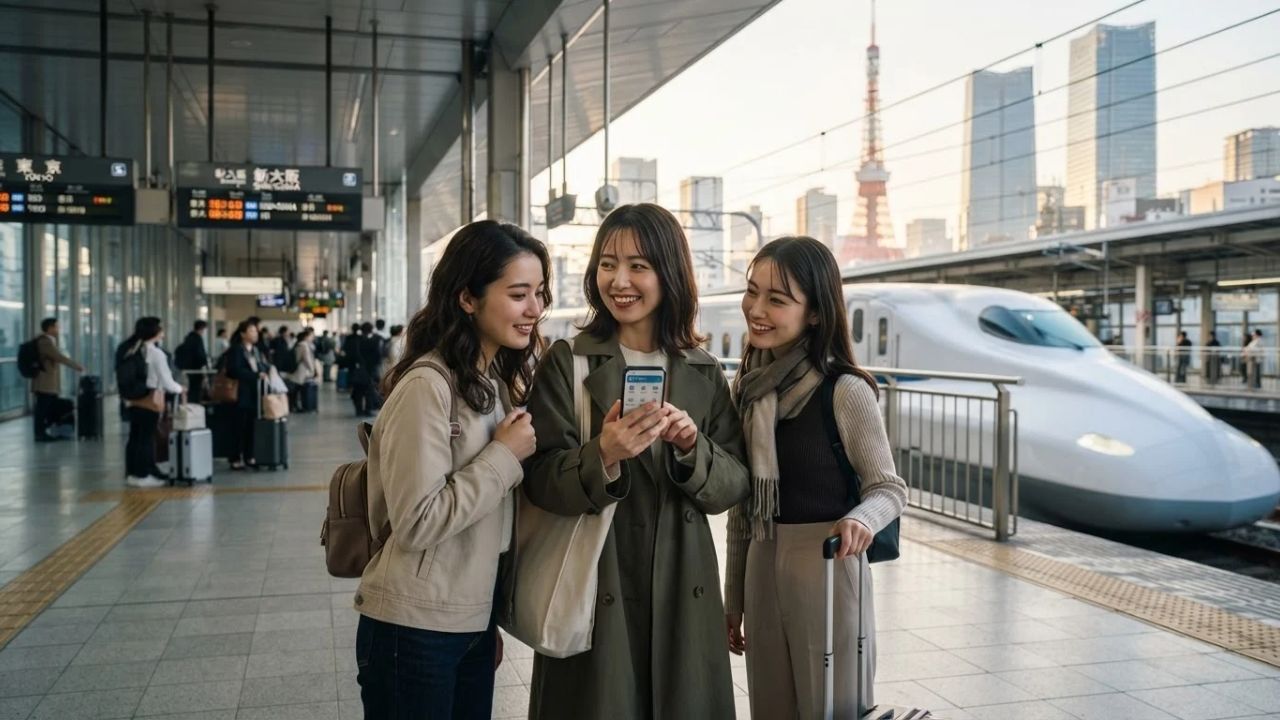
Image generated by AI
With the nationwide Japan Rail Pass scheduled to increase its seven-day adult ordinary rate from ¥50,000 to ¥53,000 on October 1, 2026, traveling across Asia has entered a defining era where paper ticket stubs are being replaced by unified digital mobility passports. While the 14-day and 21-day passes similarly adjust upward from ¥80,000 and ¥100,000 to ¥84,000 and ¥105,000, savvy travelers are looking beyond traditional rail products. From South Korea’s Discover Seoul Pass bundling top attractions and transit to China’s BEIJING PASS functioning across municipal transport in over 300 cities, a continent-wide campaign against "ticket friction" is compressing fragmented bookings into seamless, single-transaction journeys that grant independent travelers unprecedented cultural mobility.
Compressing the Transit Equation: How Asia Eliminates Ticket Friction
For decades, navigating a multi-city journey across Asia meant juggling an exhausting array of separate transactions. Arriving at an international gateway required queuing at airport ticket kiosks for express rail tokens, purchasing local prepaid plastic smart cards for municipal subways, securing paper tickets for intercity trains, and making separate reservations for museum admissions. Even in technologically advanced cities, the administrative friction often overwhelmed first-time visitors.
Today, Asian tourism boards and transit authorities are pioneering models that connect mobility directly with sightseeing, dining, and commerce. South Korea offers one of the most comprehensive examples through the Discover Seoul Pass, available in 72-hour (KRW 90,000) and 120-hour (KRW 130,000) editions. Backed by Visit Korea, the pass bundles free admission to premier sights—including Lotte World, N Seoul Tower, SEA LIFE COEX Aquarium, and the Han River Cruise—with essential transport benefits like the AREX airport express train, the Seoul City Tour Bus, and Seoul Bike sharing, alongside a rechargeable T-money transit chip. With a combined regular value estimated at KRW 271,400 across eight core benefits, the pass transforms sightseeing into an effortless, single-app experience.
In China, urban mobility cards have expanded into expansive visitor-service platforms. The BEIJING PASS provides foreign travelers with access to 70 major cultural parks, including the Summer Palace and the Temple of Heaven, while being accepted across thousands of merchant shops in more than 50 shopping centers and covering public transport across 300 Chinese cities, including Shanghai, Guangzhou, Shenzhen, and Nanjing. Simultaneously, the Shanghai Pass covers municipal buses, metro lines, taxis, and Huangpu River ferries across 330 cities. Through a bilingual Alipay mini-program introduced in 2025, inbound travelers can book a three-day package combining unlimited public transport with entry to 22 major attractions and over 800 yuan in retail discounts, or a 24-hour single-day pass combining transit with four headline sights like the Oriental Pearl Tower.
Southeast Asia offers equally pragmatic interpretations. In Malaysia, the KL TravelPass links the non-stop KLIA Ekspres train (connecting Kuala Lumpur International Airport to KL Sentral in 28 minutes at 20-minute intervals) with two days of unlimited rides on Rapid KL’s LRT, MRT, Monorail, and BRT networks for RM95 (single airport leg) or RM140 (return package). In Singapore, the Singapore Tourist Pass provides unlimited travel on basic buses, MRT, and LRT networks, although most visitors simply tap their regular contactless foreign credit cards at the turnstiles. In Thailand, the Tourism Authority of Thailand partnered with ride-hailing giant Grab in April 2026 to launch the digital Amazing Thailand Grab Travel Pass, using a platform economy approach to bundle point-to-point urban transport with dining and cultural discounts.
What Makes Regional Transit Pass Systems Different
Comparing these transit models reveals that no two Asian nations approach visitor mobility in the same way. The European gold standard remains the Swiss Travel Pass, which covers trains, buses, lake boats, and municipal transit in over 90 towns, plus free entry to over 500 museums (though premium scenic routes like the Glacier Express, Bernina Express, and Gotthard Panorama Express still mandate separate seat reservations).
In contrast, Japan remains strictly rail-led. The nationwide JR Pass, promoted through the Japan National Tourism Organization, offers extensive access across the world-famous Shinkansen bullet train network operated by JR East, JR West, JR Central, JR Hokkaido, and JR Kyushu. However, it does not cover municipal subways, private commuter lines (such as Tokyo Metro, Kintetsu, or Hankyu), or regional highway buses. For travelers focusing on specific corridors, regional alternatives—such as the JR Kansai-Hiroshima Area Pass or the JR East Tohoku Area Pass—often deliver vastly superior economic value without requiring expensive nationwide coverage.
Visitor Insider Tips: Navigating Asian Transit Systems Like a Local
To travel across East and Southeast Asia without friction or wasted expenses, keep these practical tips in mind:
- Add Digital Transit Cards to Your Smartphone Wallet: In Japan, skip physical ticket counters entirely by adding a digital Suica or Pasmo card directly into your Apple Wallet or Google Wallet, reloading it instantly with a linked credit card to tap through turnstiles in Tokyo and Kyoto. In South Korea, load the mobile version of the Discover Seoul Pass to bypass physical card collection desks at Incheon Airport.
- Avoid Peak Commuter Rush Windows: Metro systems in Tokyo, Seoul, and Shanghai experience punishing passenger density between 07:30 and 09:00, and again from 17:30 to 19:00. Schedule your intercity rail transfers or cross-town sightseeing departures outside these windows to travel comfortably with luggage.
- Master Transit Etiquette Across Borders: On Japanese trains operated by East Japan Railway Company, silence your mobile phone (manner mode) and never take voice calls inside carriages; keep conversations in hushed tones. In South Korea, never sit in designated priority seating at the ends of subway cars, even if the train is completely empty. In Singapore, eating, drinking, or carrying durian fruit on the MRT attracts steep fines.
- Savor Local Culinary Specialties at Transit Hubs: Turn train stations into culinary destinations. At Tokyo Station, pick up an artisan ekiben (bento box) featuring grilled Sendai beef or fresh sea urchin before boarding the Shinkansen. In Seoul Station, order a steaming bowl of sundubu-jjigae (spicy soft tofu stew) with kimchi. In KL Sentral, grab warm roti canai with dhal curry from the concourse stalls.
- Map Your Itinerary Before Buying Nationwide Passes: Never buy a 7-day or 14-day Japan Rail Pass simply out of habit. If your itinerary only covers Tokyo and Kyoto, buying individual point-to-point Shinkansen tickets via the SmartEX app is often cheaper than the upcoming ¥53,000 pass price, while freeing you to ride the fastest Nozomi bullet trains without paying extra surcharges.
Cultural and Environmental Context: Decongesting Historic Capitals
The evolution of seamless transit passes carries profound cultural and environmental benefits. By connecting bullet trains with regional bus routes and bicycle sharing programs, integrated passes encourage travelers to venture beyond over-visited urban hotspots.
In Japan, regional passes divert foot traffic away from congested shrines in Kyoto toward quiet heritage districts in Kanazawa, Fukui, and the San'in coast, dispersing tourist expenditures into rural artisan economies. In South Korea, transit passes linking Seoul with suburban royal tombs recognized by the UNESCO World Heritage Centre allow visitors to explore historic fortress walls in Suwon without hailing private cars.
Environmentally, passenger rail represents one of the greenest mass transit modes on earth. An electric Shinkansen journey between Tokyo and Osaka produces roughly one-eighth the carbon emissions of an equivalent passenger car trip. By replacing individual taxis and rental cars with interconnected rail, metro, and electric bus networks, one-ticket travel systems ensure that multi-city exploration preserves the clean air and pristine natural surroundings of the Asian continent.
FAQ: One-Ticket Travel Across Asia 2026
When do Japan Rail Pass prices increase in 2026?
Official adult ordinary JR Pass prices rise on October 1, 2026, increasing to ¥53,000 (7 days), ¥84,000 (14 days), and ¥105,000 (21 days) from the current ¥50,000, ¥80,000, and ¥100,000 rates.
What is included in the Discover Seoul Pass?
The pass provides free admission to over 50 major attractions (like Lotte World and N Seoul Tower), free AREX airport train transit, city tour buses, and a rechargeable T-money subway card.
Can the BEIJING PASS be used in other Chinese cities?
Yes. In addition to covering 70 cultural parks and shopping areas in Beijing, the BEIJING PASS is compatible with public transit systems across more than 300 cities throughout China.
Do travelers need a physical transport card in Singapore?
No. International visitors can simply tap their foreign contactless credit or debit cards (Visa or Mastercard) directly at MRT and bus fare gates without buying a separate transport card.
From the silent gliding of the Shinkansen past Mount Fuji to the rhythmic hum of the Seoul metro, traveling across Asia proves that when the journey is effortless, the destination is everywhere.
Related Travel Guides
Disclaimer
This article is for informational and educational purposes only. It does not constitute legal, financial, or professional advice. While we strive to provide accurate and up-to-date information, travel policies, regulations, and conditions change rapidly. Always verify information with official sources before making travel decisions. Nomad Lawyer makes no representations about the accuracy, reliability, completeness, or suitability of the information provided. Readers should consult qualified professionals for advice specific to their circumstances. The views expressed in this article are those of the author and do not necessarily reflect the views of Nomad Lawyer.
Raushan Kumar
Founder & Lead Developer
Full-stack developer with 11+ years of experience and a passionate traveller. Raushan built Nomad Lawyer from the ground up with a vision to create the best travel and law experience on the web.
Learn more about our team →