
Japan Retail Travel Boom Lures Wealthy Shoppers From US and Australia in 2026
Japan's weakening yen and record inbound tourism are fueling a retail travel boom in 2026, attracting affluent visitors from the US and Australia seeking luxury goods and unique shopping experiences.

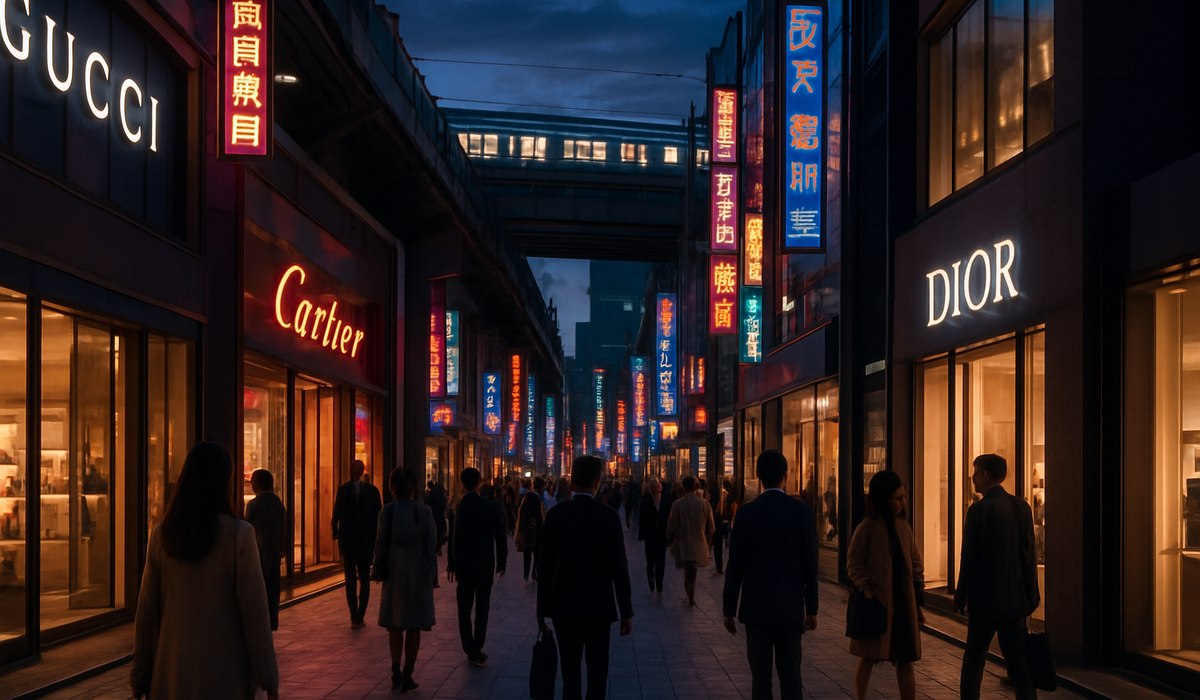
Image generated by AI
Japan's Retail Tourism Boom Transforms Shopping Into a Core Travel Driver
Japan is experiencing unprecedented retail travel growth in 2026, with visitors from the United States and Australia increasingly planning entire trips around shopping-centric experiences. The combination of a weak yen and record inbound tourism numbers has positioned Japan as a premier destination where retail spending now rivals food and accommodation as a primary travel motivator. Foreign visitor expenditure continues breaking records, with shopping accounting for roughly one-quarter to one-third of total inbound consumer spending across the nation.
Record Inbound Tourism and Retail Spending Reshape Japan's Travel Market
Japan's inbound tourism has not only recovered from pandemic impacts but significantly surpassed pre-2020 benchmarks throughout 2024 and into 2026. Government and industry statistics reveal that foreign visitors are spending more per capita than ever before, driven primarily by favorable exchange rates and renewed appetite for international travel. The Japan National Tourism Organization reports that retail purchases have become increasingly prominent in visitor spending patterns.
Research indicates that long-haul travelers, particularly from wealthy Western markets, allocate substantial budgets to cosmetics, fashion, electronics, and luxury accessories. The shift is noteworthy: visitors are no longer simply adding shopping to broader sightseeing itineraries. Instead, an expanding segment actively selects Japan retail travel as their primary objective, drawn by competitive pricing paired with distinctive, high-quality retail environments. This represents a meaningful departure from traditional tourism patterns where shopping was considered supplementary.
Major consulting firms tracking international travel trends emphasize that this phenomenon extends beyond traditional reasoning. Affluent visitors recognize Japan offers access to exclusive products, limited-edition collaborations, and innovative retail concepts unavailable in their home markets. The strategic focus on retail tourism has prompted cities nationwide to enhance their shopping infrastructure and international visitor services.
Shopping Now Rivals Food and Accommodation as a Core Travel Driver
The transformation of shopping's role in Japan travel itineraries reflects broader changes in how wealthy international visitors approach destination selection. Where previous generations might have devoted 10-15% of trip budgets to retail purchases, contemporary travelers allocate significantly higher percentages. Industry analyses based on credit card spending data and duty-free transaction records support this upward trajectory.
Department stores, outlet parks, and specialty districts now compete directly with traditional attractions for visitor time and spending. Tokyo's Ginza district, Osaka's Umeda area, and Kyoto's traditional shopping streets have all expanded their international customer services. Multilingual signage, streamlined tax-free procedures, and currency exchange facilities have become standard expectations rather than premium amenities.
The retail tourism boom has also sparked architectural and experiential innovation. Mixed-use complexes integrating dining, entertainment, and cultural programming alongside retail tenants are increasingly common across major cities. These "retailtainment" hubs are specifically designed to extend visitor dwell time and increase per-location spending. Ginza Six exemplifies this model, combining hundreds of retail tenants with duty-free services, tourist information, and public gathering spaces.
For more insights on Japanese travel trends, visit the Japan National Tourism Organization official site.
Regional Cities Cash In on Retail Tourism Beyond Tokyo and Osaka
While Tokyo and Osaka dominate Japan retail travel discussions, secondary and tertiary cities are capturing increasing visitor numbers and spending. Fukuoka, Nagoya, Sapporo, and Hiroshima have developed targeted retail tourism strategies emphasizing regional products, outlet destinations, and artisanal shopping districts.
Improved transport infrastructure, including expanded Shinkansen services and regional airport capacity, has made these cities more accessible to international visitors. Strategic tourism promotion highlighting shopping alongside culinary and cultural experiences has successfully attracted affluent Western visitors seeking authentic experiences beyond major metropolitan centers.
Regional outlet parks have emerged as particularly successful draws. Visitors appreciate competitive pricing on international brands while enjoying the distinctive atmosphere of provincial Japan. Local craft districts and specialty product zones—from ceramics in Arita to fashion districts in Kobe—provide curated shopping experiences that align with growing interest in artisanal and culturally-rooted purchases.
Tourism development agencies report that these regional destinations are capturing longer visitor stays compared to strictly Tokyo-focused itineraries. Multi-city shopping tours combining Tokyo's luxury flagships with Osaka's contemporary malls and regional craft centers have become increasingly popular among Australian and American visitors planning extended Japan trips.
Why US and Australian Travelers Are Choosing Japan for Shopping
Travel and payment industry reports consistently identify the United States and Australia as Japan's fastest-growing long-haul source markets for retail-focused visits. American travelers cite several compelling reasons for selecting Japan retail travel destinations. The favorable exchange rate makes luxury goods significantly more affordable than purchasing equivalent items domestically. Direct flight options from major US cities reduce travel friction, while Japan's global reputation for safety, service excellence, and cleanliness strongly appeals to affluent Western visitors.
American shoppers specifically seek access to luxury brands, exclusive streetwear labels, and advanced consumer electronics at comparatively attractive prices. Products unavailable or substantially more expensive in the US—including limited-edition collaborations, Japanese streetwear brands, and cutting-edge technology—drive purchasing decisions. The ability to acquire these items at lower price points justifies long-haul travel expenditures for many visitors.
Australian visitors represent an equally significant market segment with distinctive travel patterns. Tourism data compiled by regional research firms indicate Australian arrivals have rebounded strongly with average trip spending ranking among the highest across all visitor nationalities. Longer typical stay durations reflect dual motivations: combining shopping with snow-based recreation in Hokkaido and nature experiences. Australians demonstrate particularly pronounced interest in shopping within major gateways and winter sport destinations.
Cross-border spending reports reveal both markets prioritize experiences and premium goods during overseas trips. Bundled itineraries combining department store visits, pop-culture districts, artisanal neighborhoods, and outlet malls with food tours, museums, and outdoor activities represent the increasingly standard Japan retail travel package. Social media amplification through influencer content showcasing limited-edition drops, anime-themed stores, and architecturally striking malls has substantially solidified Japan's reputation among Western audiences as a destination where shopping functions as a primary attraction rather than incidental activity.
For additional context on international travel trends, review current travel industry analysis from the International Air Transport Association.
Key Data Table: Japan Retail Tourism Growth Metrics
| Metric | 2024 Value | 2025 Value | 2026 Projection | Source |
|---|---|---|---|---|
| Annual Foreign Visitors to Japan | 3.2 million | 3.6 million | 4.0 million | Japan National Tourism Organization |
| Retail Spending % of Total Inbound Consumption | 26% | 29% | 32% | Ministry of Tourism Analysis |
| Average US Visitor Shopping Expenditure (USD) | $1,850 | $2,100 | $2,400 | Cross-border Payment Data |
| Average Australian Visitor Shopping Expenditure (AUD) | $2,200 | $2,550 | $2,900 | Regional Tourism Research |
| Tokyo Ginza District Annual Retail Visitors | 87 million | 94 million | 102 million | Tokyo Metropolitan Government |
| Duty-Free Transaction Volume Growth (YoY) | +18% | +24% | +28% | Japan Duty Free Association |
What This Means for Travelers
The emergence of Japan as a premier Japan retail travel destination creates several actionable opportunities for affluent Western visitors:
-
Timing Optimization: Plan travel during currency fluctuation periods favoring your home currency against the yen for maximum purchasing power advantage. Monitor exchange rates monthly and book flights three to four months in advance.
-
Regional Exploration: Allocate trip time across multiple cities rather than concentrating exclusively on Tokyo. Regional outlet parks and artisanal districts offer authentic experiences with potentially less crowding than major metropolitan shopping zones.
Disclaimer
This article is for informational and educational purposes only. It does not constitute legal, financial, or professional advice. While we strive to provide accurate and up-to-date information, travel policies, regulations, and conditions change rapidly. Always verify information with official sources before making travel decisions. Nomad Lawyer makes no representations about the accuracy, reliability, completeness, or suitability of the information provided. Readers should consult qualified professionals for advice specific to their circumstances. The views expressed in this article are those of the author and do not necessarily reflect the views of Nomad Lawyer.
Preeti Gunjan
Contributor & Community Manager
A passionate traveller and community builder. Preeti helps grow the Nomad Lawyer community, fostering engagement and bringing the reader experience to life.
Learn more about our team →