
Japan Leads A New Tourism Wave As Canadian Travellers Discover Asia Through Rich Cultural Experiences
Japan has taken up the mantle of a new tourism wave as Canadian tourists come to discover Asia through the means of enriching

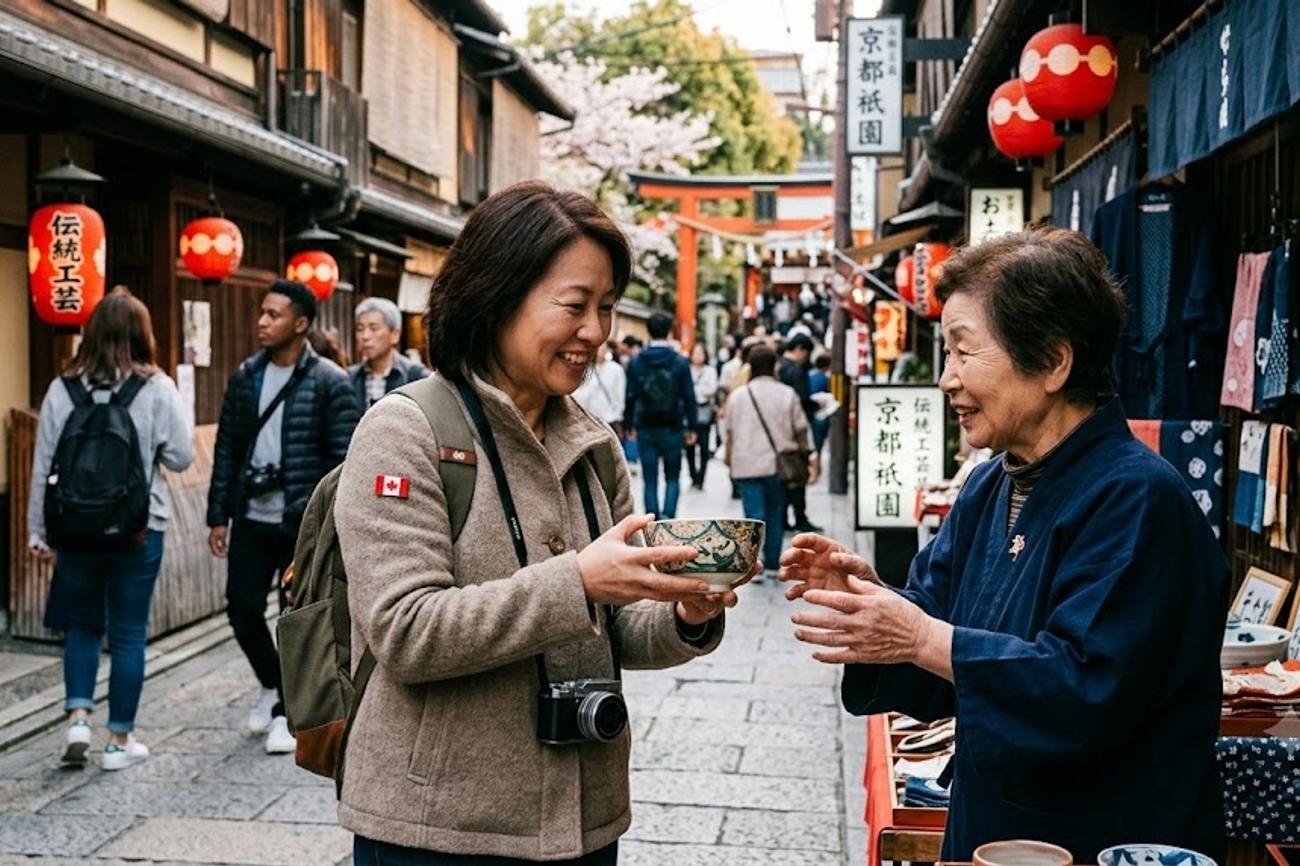
Image generated by AI
Japan has taken up the mantle of a new tourism wave as Canadian tourists come to discover Asia through the means of enriching cultural experiences and memorable trips. The destination has started receiving increasing attention from tourists looking for a combination of unique culture, contemporary attractions, and adventurous travel destinations. With changing trends in international tourism, Japan is offering new avenues for the Canadian tourists to explore the culture, nature and lifestyle that it has to offer. Additionally, the tourism wave demonstrates the potential of Asia becoming an increasingly popular destination for long-haul travel.
Asia Becomes A Fast Growing Choice For Canadian Long Haul Travel
The biggest story behind this shift is the growing strength of overseas travel from Canada.
Official data indicates that Canadian visits to Asia increased strongly in 2025. Asia recorded faster growth than Europe in percentage terms, highlighting a rising interest in Asian destinations.
Europe continued to attract a large number of Canadian visitors. However, Asia created stronger growth momentum. This difference shows that Canadian travellers are expanding their international choices.
Several factors are supporting this movement.
Long-haul travellers are increasingly searching for memorable experiences. They want destinations that offer more than traditional sightseeing. They are looking for cultural connections, local food, nature, festivals and authentic experiences.
Asia provides these opportunities.
Japan offers ancient temples, advanced cities, seasonal landscapes and traditional communities. South Korea combines historical attractions with modern entertainment, technology and culinary tourism.
Another important factor is travel spending. Canadian travellers visiting overseas destinations are often taking longer trips. They are spending more on accommodation, experiences and local activities.
This creates a valuable opportunity for tourism businesses across Asia.
The changing pattern also reflects a broader global tourism recovery. International travel continues to expand, with destinations competing for travellers who are looking for new experiences.
For Asia, Canadian travellers represent an attractive market because they often travel long distances and seek premium experiences.
Japan Emerges As A Major Winner In Canada Asia Tourism Growth
Japan has become one of the clearest examples of this new travel trend.
Canadian visitors to Japan increased significantly in 2026. Official figures show that Canada remained an important overseas market for Japan, with strong growth recorded during the year.
Japan’s appeal comes from its combination of tradition and innovation.
Travellers can experience historic districts, ancient temples, mountain landscapes and traditional arts. At the same time, they can explore some of the world’s most advanced urban environments.
This balance has helped Japan attract visitors who want different types of travel in one journey.
Japan is experiencing a surge in tourism, particularly among Canadian travellers, who are drawn to the country's rich cultural heritage and unique experiences. According to the Japan National Tourism Organization, the country has seen a significant increase in visitors from Canada, with many travellers opting for guided tours and cultural immersion programs. This trend is expected to continue, with Japan's tourism industry poised for further growth.
Tokyo remains a major gateway. However, Japan’s tourism strategy is increasingly focused on encouraging visitors to explore regional destinations.
Smaller cities, rural areas and cultural communities are becoming more important parts of the tourism experience.
This approach helps distribute visitor spending beyond the most famous locations.
It also supports local economies.
A Canadian traveller visiting Japan may now explore traditional villages, regional food destinations, coastal areas and countryside experiences instead of only visiting major cities.
Japan’s tourism authorities have highlighted the importance of sustainable tourism development, regional growth and managing visitor concentration. These priorities are becoming increasingly important as international arrivals continue to rise.
For Canadian visitors, this creates more travel options. For Japan, it creates opportunities to increase tourism value across more communities.
South Korea Builds Stronger Connections With Canadian Travellers
Japan is not the only Asian destination benefiting from changing Canadian travel preferences.
South Korea is also seeing stronger demand from Canadian visitors.
Official tourism statistics show growth in Canadian arrivals to South Korea during 2026.
South Korea has developed a powerful tourism identity. The country combines historic heritage with modern culture.
Seoul attracts visitors through technology, shopping, entertainment and food experiences. Beyond the capital, travellers are discovering coastal regions, traditional villages and natural landscapes.
For Canadian travellers planning to visit Japan, Air Canada offers direct flights from major Canadian cities, including Toronto and Vancouver, to Tokyo's Narita and Haneda airports. Passengers can also take advantage of Air Canada's partnership with Japan's national carrier, ANA, to access a wider range of destinations within Japan. Additionally, the Vancouver Airport Authority provides convenient flight options and travel tips for passengers travelling to Japan.
The popularity of Korean culture worldwide has also supported tourism awareness.
Food, music, films and cultural experiences have encouraged many travellers to learn more about the country.
For Canadian visitors, South Korea offers a compact but diverse travel experience.
A single trip can include modern cities, historical sites, mountain areas and coastal destinations.
The country’s growing aviation connections and tourism promotion activities are helping strengthen its position in the Canadian market.
South Korea’s growth also shows that Canadian travellers are not choosing only one Asian destination. Instead, they are exploring a wider Asian tourism network.
The New Tourism Battle Is About Experience Value Not Just Visitor Numbers
The rise of Canadian travel to Asia reflects a major change in global tourism competition.
Destinations are no longer competing only through famous attractions. They are competing through complete travel experiences.
Modern travellers want convenience, safety, cultural value and unique memories.
Japan and South Korea understand this changing demand.
Both countries are developing tourism products around local experiences. These include regional food, cultural activities, nature tourism and community-based travel.
This approach creates higher-value tourism.
A traveller who spends more time in a destination can contribute more to hotels, restaurants, transport services and local businesses.
For tourism economies, quality growth is becoming as important as visitor volume.
To facilitate travel to Japan, the Government of Canada provides essential information and advice for Canadian citizens, including travel advisories, visa requirements, and health and safety guidelines. The Japanese government has also introduced initiatives to enhance the tourist experience, such as the Japan Railway pass, which allows visitors to travel extensively throughout the country on Japan's iconic rail network. By planning ahead and staying informed, Canadian travellers can make the most of their trip to Japan.
The Canadian market fits this model.
Long-distance travellers usually plan carefully. They often save for international journeys and look for meaningful experiences.
This creates opportunities for destinations that can offer strong value.
However, growth also brings challenges.
Popular destinations must manage crowd levels, protect cultural sites and maintain good visitor experiences.
Japan has already focused on visitor distribution because some famous locations face pressure during peak periods.
The future success of Asian tourism will depend on balancing growth with sustainability.
Canada Asia Travel Growth Creates New Opportunities For Airlines And Tourism Businesses
The changing travel pattern also creates opportunities beyond destinations.
Airlines, hotels, tour operators and travel companies are closely watching this market.
More Canadian demand for Asia can support stronger air connectivity. It can also encourage tourism businesses to create specialised packages.
Travel companies may focus on cultural journeys, food tourism, nature experiences and premium holidays.
Japan and South Korea can benefit from targeted marketing campaigns aimed at Canadian travellers.
The opportunity is not only about attracting first-time visitors.
Repeat travel is also important.
A traveller who enjoys one Asian destination may later explore neighbouring countries. This creates potential for wider regional tourism networks.
F
FAQ: Japan Leads A New Tourism Wave As Canadian Travellers Discover Asia Through Rich Cultural Experiences 2026
What are Japan's top attractions? Tokyo, Kyoto, and Osaka are must-visit destinations.
Do I need a visa to travel to Japan? Canadian citizens do not need a visa for tourism stays under 90 days.
What cultural experiences can I expect? Rich traditions, vibrant festivals, and historic temples await.
When is the best time to visit Japan? Spring and autumn offer mild weather and scenic landscapes.
Related Travel Guides
- South Africa Outpaces Namibia And More African Countries In Powering Nigeria Tourism GDP Surge Through Connectivity, Culture And Investment
- UK Travel Tech Leader Traveltek Names New CEO As Company Enters Next Global Growth Chapter
- Denmark Pairs Up With US To Drive Around 20% Growth Boom In Greenland Tourism And Deliver Historic Arctic Security Transformation
Disclaimer
This article is for informational and educational purposes only. It does not constitute legal, financial, or professional advice. While we strive to provide accurate and up-to-date information, travel policies, regulations, and conditions change rapidly. Always verify information with official sources before making travel decisions. Nomad Lawyer makes no representations about the accuracy, reliability, completeness, or suitability of the information provided. Readers should consult qualified professionals for advice specific to their circumstances. The views expressed in this article are those of the author and do not necessarily reflect the views of Nomad Lawyer.
Naina Thakur
Contributor & Travel Specialist
Travel enthusiast and legal writer covering visa regulations, responsible tourism, and cultural journeys across global destinations.
Learn more about our team →