
South Africa Outpaces Namibia And More African Countries In Powering Nigeria Tourism GDP Surge Through Connectivity, Culture And Investment
Nigeria Tourism The GDP generated from tourism in Nigeria grows by more than 4% due to South Africa and other African countries’ efforts

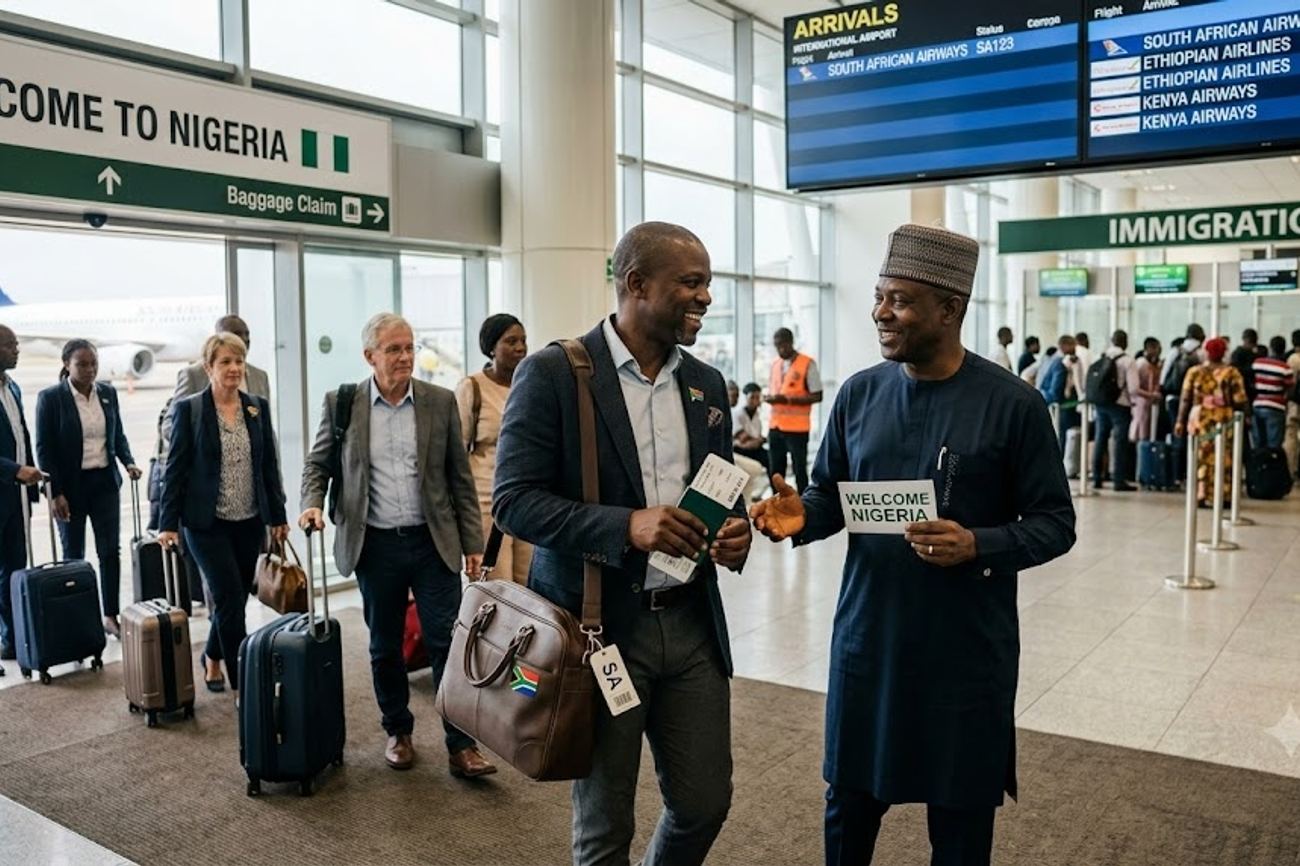
Image generated by AI
Nigeria Tourism
The GDP generated from tourism in Nigeria grows by more than 4% due to South Africa and other African countries’ efforts to boost the economy through connectivity, culture and investments. The tourism industry in Nigeria is entering an era where growth will be more prominent due to the partnership between African countries, improved connectivity, cultural interaction and investment. The contribution of the tourism industry in Nigeria has been receiving increased attention with the country’s development of a new economic sector in tourism, arts, culture and hospitality.
The UN Tourism reported 4.3% tourism GDP growth since 2020 reflects the sector’s recovery journey after the global travel disruption and highlights the rising importance of tourism-related activities in Nigeria’s economy.
African countries are playing an important supporting role in this transformation. Through regional travel links, business exchanges, cultural cooperation and aviation connectivity, countries including South Africa, Namibia, Ghana, Kenya, Ethiopia, Egypt, Morocco, Rwanda and Senegal are helping strengthen Nigeria’s tourism ecosystem.
Nigeria is now focusing on creating a tourism economy powered by domestic travel, international visitors, investment, entertainment, heritage and regional cooperation.
How Nigeria Is Boosting Tourism GDP Through Strategic Growth Plans
Nigeria is strengthening tourism GDP through a multi-sector strategy designed to increase visitor spending and create more value across the tourism supply chain.
The country is focusing on:
Tourism Growth Strategy Economic Impact Domestic tourism promotion Increases local travel spending Cultural tourism development Attracts international interest Hospitality expansion Creates jobs and investment opportunities Business tourism growth Brings high-value visitors Infrastructure improvement Makes destinations easier to access Tourism investment Develops attractions and services Regional partnerships Expands African travel markets
Nigeria’s economic rebasing efforts have also recognised the growing importance of sectors such as tourism, arts, culture and related services in reflecting the country’s changing economic structure.
South Africa Leads African Tourism Connection With Nigeria Through Business And Cultural Exchange
South Africa has emerged as one of the strongest African partners supporting Nigeria’s tourism growth through connectivity, business travel and cultural interaction.
South Africa has been instrumental in boosting Nigeria's tourism GDP through strategic connectivity initiatives, with airlines like Airlink offering frequent flights between major cities. This increased air traffic has been facilitated by the Nigerian government's efforts to improve airport infrastructure, as outlined on the Federal Airports Authority of Nigeria website. As a result, tourist arrivals from South Africa have seen a significant surge, contributing to Nigeria's growing tourism sector.
The relationship between both countries creates opportunities across:
Corporate travel Investment tourism Aviation links Hospitality partnerships Entertainment exchanges Tourism trade cooperation
South Africa’s mature tourism industry provides a valuable regional connection for Nigeria. Visitors travelling between Johannesburg, Cape Town, Lagos and Abuja contribute to hotel demand, restaurant spending, conferences and business activities.
South Africa’s global tourism experience in areas such as destination marketing, wildlife tourism and hospitality development also creates opportunities for knowledge exchange as Nigeria expands its own tourism products.
The growing movement between both countries supports Nigeria’s ambition to increase tourism’s economic contribution through stronger African travel networks.
Namibia Supports Nigeria Tourism Growth Through Conservation And Nature Tourism Lessons
Namibia contributes to Africa’s tourism development through its reputation for conservation, wildlife experiences and nature-based travel.
Although Nigeria and Namibia operate different tourism models, Namibia’s success in developing:
Wildlife tourism Protected areas Adventure travel Sustainable tourism experiences
provides valuable regional examples for Nigeria.
Nigeria is increasingly exploring opportunities in:
National parks Eco-tourism destinations Nature experiences Adventure tourism
Namibia’s tourism approach demonstrates how natural resources can become economic assets when supported by strong destination management and visitor infrastructure.
Ghana Strengthens Nigeria Tourism Through West African Travel Movement
Ghana remains one of Nigeria’s closest tourism partners because of geographic proximity, cultural connections and strong regional ties.
Passenger logistics have also played a crucial role in Nigeria's tourism growth, with many travelers opting for convenient and affordable flights from South Africa. The South African Tourism board has been actively promoting cultural exchange programs and tourism initiatives, which has helped to increase awareness about Nigeria's rich cultural heritage. Additionally, the Nigerian Civil Aviation Authority has implemented measures to ensure safe and efficient air travel, further enhancing the overall tourist experience.
The Ghana–Nigeria tourism relationship is supported by:
West African travel movement Business tourism Family visits Cultural events Entertainment exchanges
Visitors from Ghana contribute to Nigeria’s tourism economy through spending on:
Hotels Restaurants Transport Shopping Entertainment
Both countries benefit from shared cultural links, making West Africa an important tourism growth region.
Nigeria’s entertainment industry, especially music and film, has also strengthened travel interest between both destinations.
Kenya Expands Nigeria Tourism Opportunities Through East Africa Connectivity
Kenya is supporting Nigeria’s tourism development through stronger East Africa–West Africa connections.
Kenya’s tourism strengths include:
Wildlife tourism Safari experiences International destination marketing Sustainable tourism practices
These experiences create opportunities for tourism cooperation with Nigeria.
Kenya’s role as an aviation and business hub also supports movement between African regions.
Greater connectivity between East and West Africa can encourage:
Multi-country tourism routes Business travel Tourism investment Knowledge sharing
This helps Nigeria build a more connected African tourism market.
Ethiopia Boosts Nigeria Tourism Through Aviation Connectivity
Ethiopia plays a major role in African aviation through Addis Ababa’s position as a major regional air hub.
Better African air connectivity supports Nigeria tourism by improving access for:
International visitors Business travellers Regional tourists Transit passengers
Connectivity is one of the most important factors influencing tourism growth because travellers need reliable transport links to reach destinations.
Tourism insights suggest that Nigeria's unique cultural attractions, such as its vibrant cities and historic landmarks, are major drawcards for tourists from South Africa and other African countries. The Nigeria Tourism Development Corporation has been working to develop and promote these attractions, offering tourists a wide range of exciting experiences and activities. For more information on travel requirements and regulations, visitors can consult the Official Website of the Nigerian Immigration Service, which provides comprehensive guidance on visa applications and travel documentation.
Ethiopia’s aviation network helps strengthen Nigeria’s connection with other African and global markets.
Egypt Creates New Opportunities Through African And Cultural Tourism Links
Egypt contributes to Africa’s tourism ecosystem through its internationally recognised tourism industry.
The country’s strengths include:
Heritage tourism Archaeological attractions Cultural experiences International visitor marketing
Nigeria is also strengthening its cultural tourism identity through:
Heritage sites Traditional festivals Food tourism Creative industries
Cooperation with tourism-focused African nations helps Nigeria expand its understanding of global destination development.
Morocco Supports Nigeria Tourism Through Investment And Destination Experience
Morocco has built a strong tourism reputation through:
Heritage cities Luxury tourism Hospitality development International branding
Nigeria’s tourism expansion can benefit from African cooperation in areas such as:
Hotel investment Destination promotion Cultural tourism Tourism infrastructure
Morocco’s experience shows how African destinations can attract international travellers by combining culture, history and modern visitor services.
Rwanda Provides Sustainable Tourism Inspiration For Nigeria
Rwanda has become recognised for its focus on:
Conservation tourism Wildlife experiences Premium visitor products Sustainable destination management
Nigeria is developing its own eco-tourism opportunities and can benefit from African examples of balancing conservation with tourism revenue generation.
Nature-based tourism can help Nigeria spread tourism income beyond major cities and support local
FAQ: South Africa Outpaces Namibia And More A 2026
What drives Nigeria's tourism GDP surge? South Africa's connectivity and investment.
How does culture impact tourism? Rich cultural heritage attracts visitors.
What role does South Africa play? South Africa outpaces Namibia in tourism contributions.
Is Nigeria a top 2026 destination? Yes, due to its growing tourism industry.
Related Travel Guides
- UK Travel Tech Leader Traveltek Names New CEO As Company Enters Next Global Growth Chapter
- Denmark Pairs Up With US To Drive Around 20% Growth Boom In Greenland Tourism And Deliver Historic Arctic Security Transformation
- Indonesia Transforms Bali Tourism With Powerful Solar Expansion To Build A Cleaner Energy Future
Disclaimer
This article is for informational and educational purposes only. It does not constitute legal, financial, or professional advice. While we strive to provide accurate and up-to-date information, travel policies, regulations, and conditions change rapidly. Always verify information with official sources before making travel decisions. Nomad Lawyer makes no representations about the accuracy, reliability, completeness, or suitability of the information provided. Readers should consult qualified professionals for advice specific to their circumstances. The views expressed in this article are those of the author and do not necessarily reflect the views of Nomad Lawyer.
Raushan Kumar
Founder & Lead Developer
Full-stack developer with 11+ years of experience and a passionate traveller. Raushan built Nomad Lawyer from the ground up with a vision to create the best travel and law experience on the web.
Learn more about our team →