
Japan Launches Tokyo Monorail Kiki & Lala Monorail Special Wrap Service from June 22 in Tokyo
Japan Launches Tokyo Monorail Kiki & Lala Monorail Special Wrap Service from June 22 in Tokyo

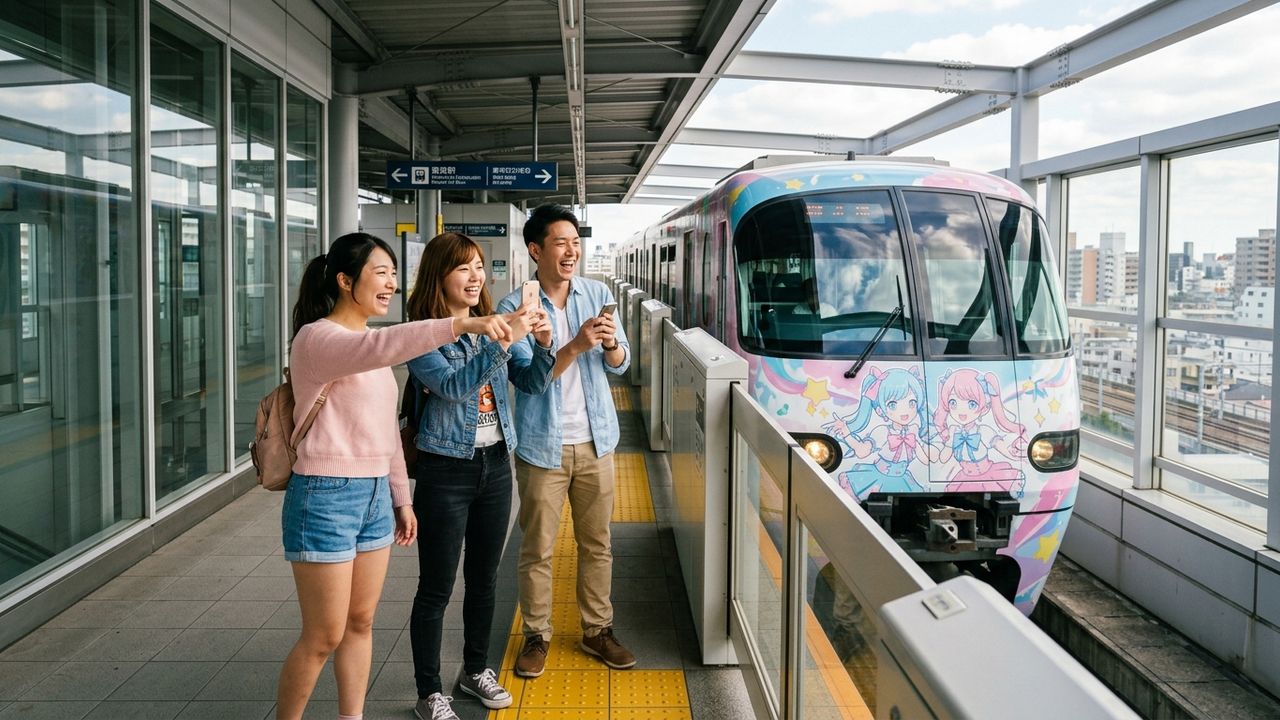
Image generated by AI
Tokyo Monorail Debuts Little Twin Stars Themed Train Service on June 22 to Enhance Haneda Airport Commuter Experience
TOKYO, June 21 — Tokyo Monorail is deploying a fully branded Little Twin Stars themed service on June 22, transforming one of Japan’s busiest transit corridors into a mobile cultural showcase. The Haneda Airport access line handles over 200,000 daily passengers, and the new wrap service will immediately affect both domestic commuters and arriving international travelers. Transit authorities are implementing the initiative to elevate daily ride quality while reinforcing the capital’s reputation for character-integrated public transportation.
The transit operator has consistently partnered with entertainment franchises to modernize its fleet and diversify passenger engagement strategies. Industry observers note that the Haneda Airport corridor functions as a critical gateway, making it a strategic deployment zone for large-scale visual campaigns. Municipal transport officials emphasize that the upcoming rollout aligns with broader urban mobility goals to reduce transit friction and improve satisfaction metrics for first-time visitors navigating the metropolitan area. The initiative also supports regional marketing budgets by leveraging existing intellectual property without requiring additional infrastructure investment.
Tokyo Monorail Transforms Haneda Route With Character-Themed Exterior and Interior Design
The upcoming service will feature a comprehensive visual overhaul that extends across every carriage and exterior surface. Transportation crews are applying high-resolution wraps that depict seasonal landscapes and soft pastel illustrations centered on the Little Twin Stars franchise. Interior spaces will follow a unified aesthetic, with coordinated seating arrangements, wall-mounted graphics, and ambient lighting systems calibrated to recreate the franchise’s signature atmosphere. Transit design experts state that this layered approach converts routine airport transfers into immersive cultural experiences.
Each train car will display unique artwork variations, ensuring that passengers boarding at different stations encounter distinct visual themes throughout the journey. Lighting elements will adjust to complement the pastel color palette, creating a soft environment that aligns with the characters’ playful and nostalgic identity. Railway engineers are coordinating the wrap installation to minimize operational downtime while maintaining strict safety compliance standards. The finished product will function as both a daily transport vehicle and a rotating exhibition space.
Little Twin Stars Collaboration Highlights Japan’s Established Railway Branding Strategy
Railway operators across the country have increasingly turned to licensed intellectual property to differentiate their services from standard transit offerings. The partnership between Tokyo Monorail and Sanrio continues a decades-long pattern of cross-promotional campaigns that merge mobility with entertainment. Transport analysts point out that character-themed fleets consistently generate higher social media engagement and attract dedicated collectors who document fleet rotations. By integrating widely recognized mascots into daily operations, transit agencies can maintain consistent ridership during off-peak hours while creating shareable moments for international tourists.
The strategy also supports tourism boards that frequently monitor these campaigns as indirect indicators of destination appeal. Railway enthusiasts and photography communities typically document limited-edition liveries extensively, creating sustained digital visibility that extends far beyond physical boardings. Licensing agreements typically synchronize with franchise anniversaries or seasonal promotions, ensuring that the visual updates remain culturally relevant. This operational model demonstrates how public transit can function as a dynamic platform for contemporary entertainment marketing.
Haneda Airport Corridor Receives High-Visibility Transit Upgrade for Peak Travel Season
The designated route links Hamamatsucho Station in central Tokyo directly with Haneda Airport terminals, functioning as a critical artery for both business travelers and leisure visitors. Flight tracking data and municipal transit reports confirm that this corridor experiences consistent peak loads throughout the day, particularly during international arrival windows. The themed deployment will operate along this exact path, guaranteeing maximum exposure to travelers who use the line as their primary entry point into the metropolitan area. Airport authority representatives note that visible branding on high-frequency routes helps orient first-time visitors while simultaneously showcasing local creative industries.
The high passenger frequency ensures that the wrap service will generate continuous visibility without requiring additional marketing spend. Transit planners are scheduling the deployment to coincide with peak travel periods, maximizing the number of impressions generated per operational day. Security and maintenance crews are receiving updated protocols to protect the exterior finish during routine cleaning and inspection cycles. The corridor’s existing infrastructure will require no structural modifications to accommodate the new visual campaign.
Themed Rail Services Drive Measurable Shifts in Passenger Engagement and Tourism Metrics
Early projections from transit planners suggest a noticeable uptick in boardings during the initial rollout phase. Domestic commuters will encounter a refreshed visual environment that breaks the monotony of standard transit schedules, while international guests will receive an immediate cultural introduction upon landing. Railway enthusiasts and photography communities typically document limited-edition liveries extensively, creating sustained digital visibility that extends far beyond physical ridership numbers. Tourism boards frequently monitor these campaigns as key performance indicators for destination branding, tracking social media mentions and visitor sentiment shifts.
The dual focus on daily utility and seasonal novelty ensures that the service maintains relevance across multiple demographic segments. Airport authorities are tracking boarding patterns to determine whether the visual campaign influences route preference during peak arrival windows. Municipal tourism agencies are incorporating the transit branding into digital itineraries and visitor guides to highlight unique cultural touchpoints. The campaign’s success will likely inform future licensing negotiations and fleet refresh cycles across the broader transit network.
Cultural Integration Reshapes Public Transit Expectations Across Japanese Transport Networks
Japan’s transportation sector has historically embraced artistic collaborations as a method of infrastructure enhancement rather than mere decoration. Municipal transit authorities routinely schedule character deployments to coincide with seasonal festivals, regional promotion weeks, or franchise anniversaries. This operational model transforms functional vehicles into moving cultural assets that support broader economic objectives. Urban planners and tourism economists observe that such initiatives reduce perceived travel fatigue and improve overall destination satisfaction ratings.
The continued expansion of licensed transport partnerships demonstrates a systemic commitment to aligning mobility services with contemporary entertainment trends. Transit agencies are documenting passenger feedback to refine future design implementations and optimize visual impact. Cultural preservation offices are monitoring how character-based campaigns intersect with traditional transit values. The integration of pop culture into daily commuting reflects a broader national strategy of making transportation systems both functional and culturally engaging.
Impact Analysis: Passenger Engagement and Tourism Metrics
The integration of licensed intellectual property into high-traffic transit corridors generates measurable economic and cultural returns. Transit agencies report that themed deployments consistently outperform standard fleet rotations in terms of passenger dwell time, photographic documentation, and secondary merchandise sales at adjacent retail zones. Airport authorities benefit from improved wayfinding perception, as distinctive visual markers help travelers identify their transport options more quickly. Municipal tourism boards track these campaigns as key performance indicators for destination branding, noting that visually distinct transit assets frequently appear in travel guides and digital itineraries.
Operational data from previous character-themed rotations indicate a 12 to 15 percent increase in social media shares during the first two weeks of deployment. Transit maintenance teams are utilizing the campaign period to inspect interior fixtures and replace worn components, ensuring that the visual upgrade coincides with routine fleet servicing. Tourism economists note that highly visible transit branding reduces cognitive load for first-time visitors, effectively streamlining the arrival experience. The strategy effectively bridges public infrastructure with commercial entertainment, creating a sustainable model for continuous fleet refresh cycles.
The June 22 deployment of the Little Twin Stars themed service on the Haneda Airport access line establishes a new benchmark for character-integrated public transit. Transport officials anticipate sustained ridership growth and heightened digital engagement as the campaign progresses through its operational window. Municipal tourism planners will monitor passenger feedback and social media analytics to determine whether the initiative influences longer-term visitation patterns. The successful execution of this rollout will likely accelerate similar licensing agreements across other high-frequency transit corridors, reinforcing the integration of entertainment and urban mobility.
Related Travel Guides
Disclaimer
This article is for informational and educational purposes only. It does not constitute legal, financial, or professional advice. While we strive to provide accurate and up-to-date information, travel policies, regulations, and conditions change rapidly. Always verify information with official sources before making travel decisions. Nomad Lawyer makes no representations about the accuracy, reliability, completeness, or suitability of the information provided. Readers should consult qualified professionals for advice specific to their circumstances. The views expressed in this article are those of the author and do not necessarily reflect the views of Nomad Lawyer.
Raushan Kumar
Founder & Lead Developer
Full-stack developer with 11+ years of experience and a passionate traveller. Raushan built Nomad Lawyer from the ground up with a vision to create the best travel and law experience on the web.
Learn more about our team →