
Japan Aligns With China and More Countries to Drive a Sustainable Food Tourism Boom, Transforming Farm-to-Table Travel Across Asia
Japan Aligns With China and More Countries to Drive a Sustainable Food Tourism Boom, Transforming Farm-to-Table Travel Across Asia

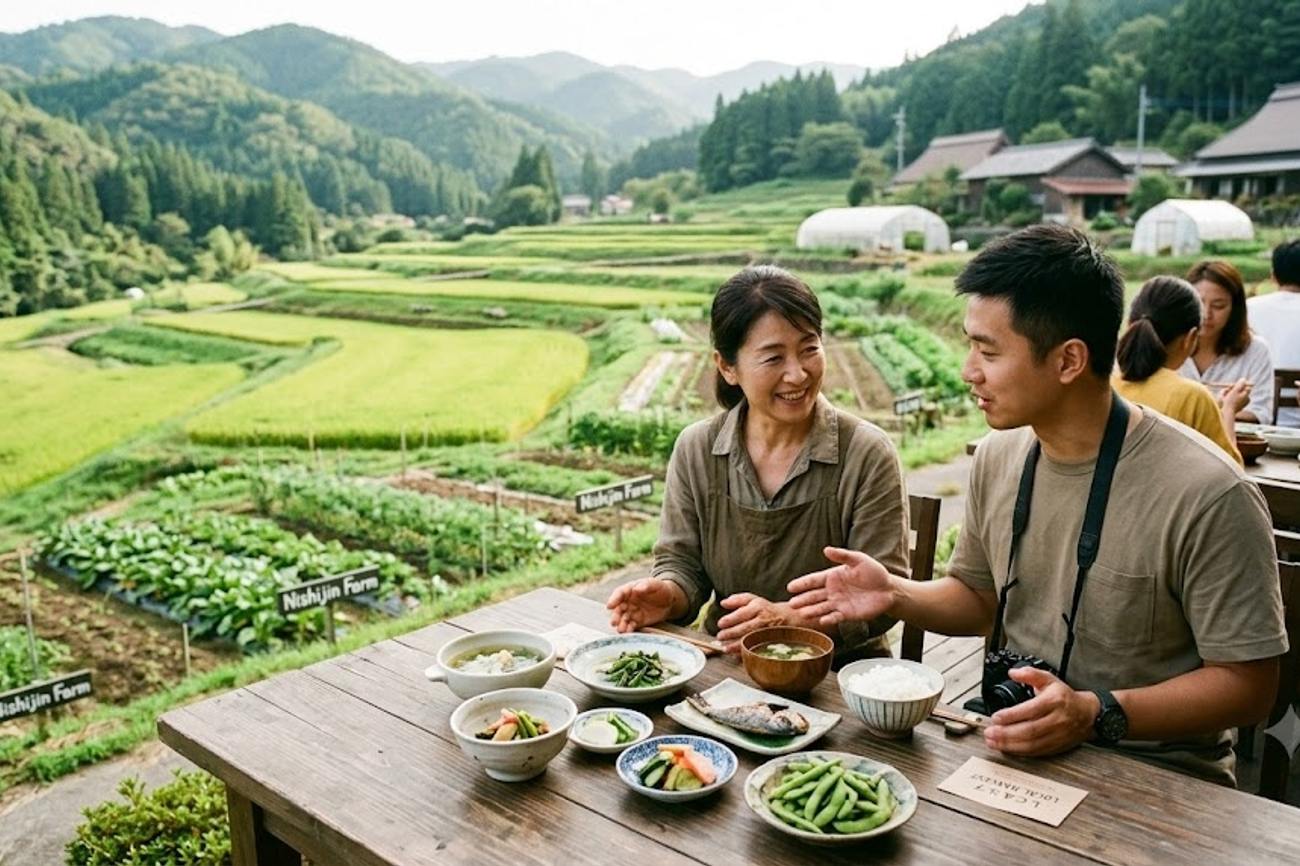
Image generated by AI
[Cebu, 2026] — Japan, China, and Indonesia have entered a formal trilateral partnership to restructure international travel by shifting tourist traffic from congested urban hubs to rural agricultural zones through state-certified gastronomic corridors.
The agreement, codified through the "Cebu Call to Action," transforms regional food systems from simple amenities into primary drivers of economic development. By linking high-yield international visitors directly with primary cultivators, the three nations aim to combat rural depopulation, support aging farming workforces, and mitigate the infrastructure bottlenecks currently plaguing major metropolitan centers. This strategic pivot moves away from the traditional "volume-driven" tourism model—which prioritized total arrival numbers—toward a regenerative model that emphasizes authenticity and environmental consciousness.
The Cebu Call to Action
The catalyst for this regional realignment was the First UN Tourism Regional Forum on Gastronomy Tourism for Asia and the Pacific. Held in Cebu, Philippines, and organized in coordination with the Basque Culinary Center, the forum resulted in a ministerial roadmap that mandates the integration of gastronomic development into national environmental and agricultural policies.
According to the UN Tourism Secretary-General Zurab Pololikashvili, the initiative recognizes that food is the central pillar of the tourist experience. To maximize this, the forum established a framework to align all stakeholders under a unified mission, moving beyond lifestyle marketing to treat gastronomy as a tool for cross-border economic planning and soft-power diplomacy.
The resulting "Cebu Call to Action" enforces four specific strategic directives:
- Cross-Sectoral Alignment: National tourism boards must now design policies in direct coordination with ministries of agriculture, environment, and regional planning.
- Territorial Governance: Smallholder farmers, local fishermen, and village elders are being formally integrated into regional destination management boards to ensure local agency.
- Financial Support: The framework establishes targeted public funding and digital training specifically for family-run culinary micro-enterprises.
- Circular Economy Mandates: New regulations enforce the use of short food supply chains, a systematic reduction in food waste, and the protection of native agro-biodiversity within the hospitality sector.
Affected Regions and Markets
The shift targets a redistribution of footfall away from "high-density urban corridors" to prevent further inflation of metropolitan housing costs and infrastructure collapse.
| Nation | Former High-Density Focus | New Strategic Target | Primary Driver |
|---|---|---|---|
| Japan | Tokyo-to-Osaka transit spine | Rural prefectures | Regenerative agriculture & heritage hospitality |
| China | Eastern coastal metropolises | Mainland agrarian provinces | State-supported rural culinary routes |
| Indonesia | Southern Balinese enclave | Community-managed tourism villages | Ancestral techniques & indigenous agroforestry |
Mitsuaki Hoshino, Vice-Commissioner of the Japan Tourism Agency (JTA), stated that rural territories cannot survive on commodity crop production alone. Instead, Japan is deploying gastronomy tourism to commercialize cultural landscapes ethically, ensuring long-term financial viability for farmers. Similarly, Deputy Minister Martini M. Paham of Indonesia's Ministry of Tourism and Creative Economy (Kemenparekraf) noted that Indonesia's competitive edge now relies on the preservation of indigenous agroforestry systems.
Practical Traveler Advisory and Strategic Insights
For the average international traveler, this policy shift marks the end of the "metropolis-only" era of Asian tourism. The transition from volume-based tourism to value-based gastronomic travel will manifest in several practical ways:
1. New "Gastronomic Corridors" Travelers will see the emergence of state-certified routes that bypass traditional tourist traps. These corridors are designed to take visitors directly to the source of production—such as artisanal fermentation breweries and smallholder cooperatives—reducing the number of intermediaries and ensuring more revenue reaches the local community.
2. Decentralized Logistics Expect a push toward regional prefectures and "tourism villages." While Tokyo, Beijing, and Jakarta remain accessible, government incentives and marketing will increasingly steer visitors toward rural heartlands. This may result in more diverse accommodation options, such as heritage farm-stays, but may require more intentional planning regarding regional transport.
3. Authentic, Sustainable Offerings The mandate for "short food supply chains" means that dining experiences in these regions will be strictly seasonal and hyper-local. Travelers can expect a higher standard of transparency regarding where their food is grown and how it is harvested, as circular economy mandates now govern these hospitality networks.
Implementation Timeline and Governance
The framework is not a standalone agreement but is integrated into existing multilateral channels, including the ASEAN Plus Three Tourism Ministers’ meetings. This ensures that sustainable agritourism metrics are tracked and coordinated through 2026 and beyond.
In Japan, this is being executed through the Tourism Nation Promotion Basic Plan. The 4th Basic Plan (enacted March 2023) and the 5th Basic Plan (adopted March 2026) provide the statutory authority for these changes. The Cabinet Office has set specific targets to embed sustainability criteria across all prefectural destinations and expand the spending habits of inbound tourists to benefit rural areas.
China and the Macao Special Administrative Region have already begun presenting empirical data on the success of rural culinary routes, which have reportedly revitalized impoverished agrarian communities. This data is now being used to refine the trilateral approach, ensuring that the economic multipliers—where tourism revenue flows directly to the producer—are maximized.
FAQ: Asian Gastronomy Tourism 2026
Will it be harder to visit major cities like Tokyo or Bali? No, but government policy is actively diversifying the "tourist map." You will likely see more promotions and easier access to rural alternatives to reduce the overcrowding in urban centers and Balinese hubs.
What are "Gastronomic Corridors"? These are state-certified travel routes that link international tourists directly with local food producers, such as farmers and artisanal brewers, ensuring that tourism spending stays within the rural community.
How does this affect food prices for tourists? By removing intermediary distribution networks and promoting "short food supply chains," the goal is to create a more sustainable economic model. While "high-value" experiences may carry a premium, they support direct payment to the cultivators.
Is this part of a larger environmental effort? Yes. The Cebu Call to Action specifically mandates the protection of native agro-biodiversity and the reduction of food waste, linking tourism directly to environmental conservation and regenerative agriculture.
The era of the urban-centric Asian holiday is ending; the farm-to-table journey is now the official state strategy.
Related Travel Guides
- Luxury Hotels Strengthen Photography Rules as Privacy Becomes a Key Part of High-End Travel Experience
- Louisville Teams Up with Paducah, Owensboro and More Kentucky Cities Now Transforming New Tourism Organs Supercharging Travel Sector
- Netherlands Alongside Spain and Two European Countries Generate €403 Million Tourism Boost Through Pride Celebrations
Disclaimer
This article is for informational and educational purposes only. It does not constitute legal, financial, or professional advice. While we strive to provide accurate and up-to-date information, travel policies, regulations, and conditions change rapidly. Always verify information with official sources before making travel decisions. Nomad Lawyer makes no representations about the accuracy, reliability, completeness, or suitability of the information provided. Readers should consult qualified professionals for advice specific to their circumstances. The views expressed in this article are those of the author and do not necessarily reflect the views of Nomad Lawyer.
Kunal K Choudhary
Co-Founder & Contributor
A passionate traveller and tech enthusiast. Kunal contributes to the vision and growth of Nomad Lawyer, bringing fresh perspectives and driving the community forward.
Learn more about our team →