
Luxury Hotels Strengthen Photography Rules as Privacy Becomes a Key Part of High-End Travel Experience
Luxury Hotels Strengthen Photography Rules as Privacy Becomes a Key Part of High-End Travel Experience

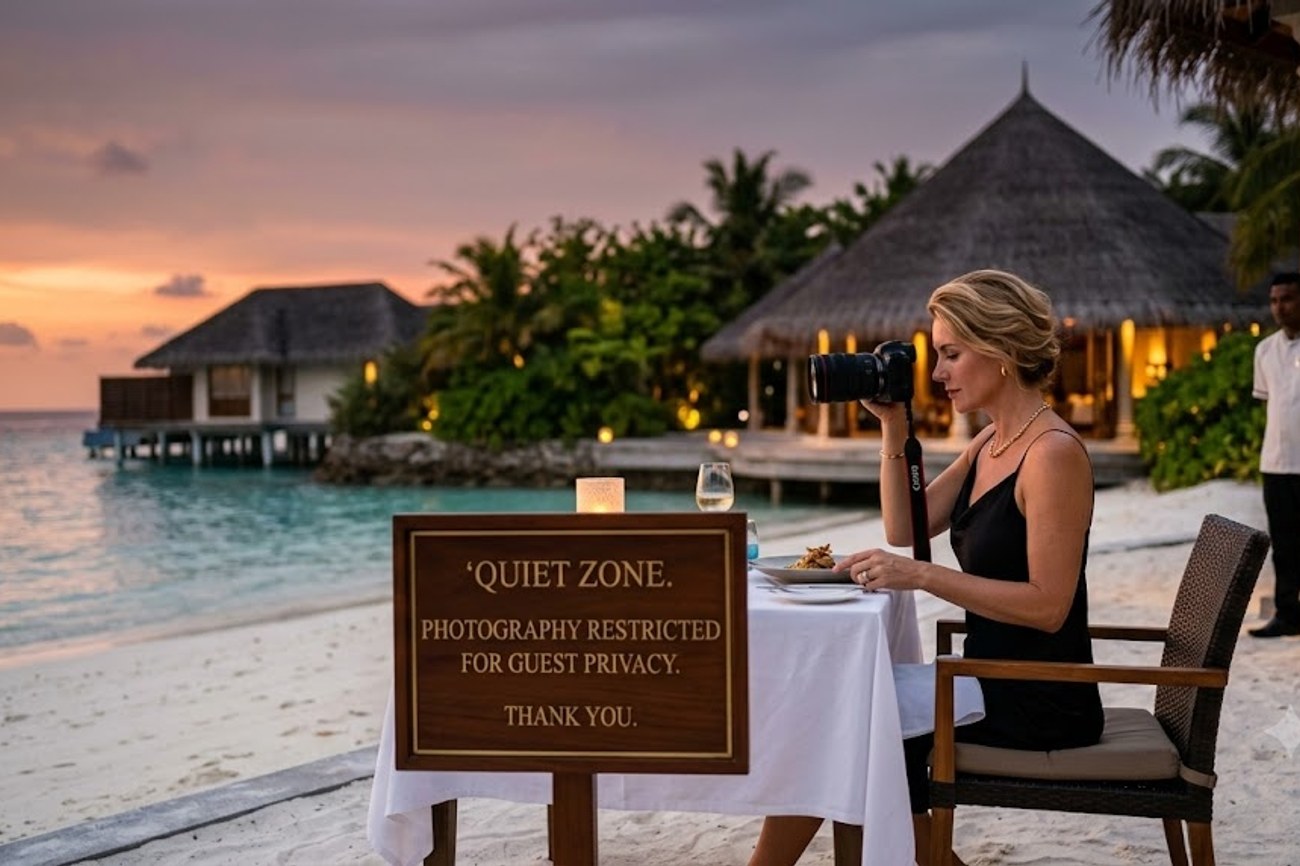
Image generated by AI
[Antibes, May 2024] — Elite hospitality properties are implementing strict new photography and filming restrictions in common areas to combat the rise of "content creation" tourism and protect the privacy of high-net-worth guests.
The shift is led by prestigious establishments including the Hotel du Cap-Eden-Roc in France and Estelle Manor in the United Kingdom. These properties are moving away from an open-door photography policy toward a regulated framework that prioritizes the guest experience over social media visibility. The move comes as luxury hotels grapple with a growing number of visitors who use exclusive properties primarily as backdrops for digital content rather than as places of relaxation.
The Rise of Content Tourism
The immediate trigger for these policy changes is the disruption caused by guests whose primary objective is the production of high-quality imagery for social media platforms. Management at Hotel du Cap-Eden-Roc, a cornerstone of the Oetker Collection, reported that an increasing number of visitors were spending excessive amounts of time staging photographs throughout the estate. This behavior began to alienate long-term, repeat clientele who view the property as a secluded retreat.
Luxury hotels are now attempting to decouple the marketing benefits of social media from the daily operational reality of their guest experience. While viral images drive bookings, the actual presence of professional-grade filming in lounges, pools, and dining rooms often contradicts the "quiet luxury" and exclusivity that these brands sell.
Affected Travelers, Airlines and Logistics
The new restrictions specifically target common areas and shared spaces where guest overlap is highest. The following properties have established specific guidelines:
| Property | Location | Primary Restrictions |
|---|---|---|
| Hotel du Cap-Eden-Roc | Antibes, France | Phone restrictions at pools; discreet photography only; strict ban on photographing other guests. |
| Estelle Manor | Oxfordshire, UK | No photography in the Manor House, spa areas, pool, or restaurants. |
| Aman Properties | Global | Brand-wide privacy positioning with site-specific restrictions on filming. |
| Monaco Establishments | Monaco | Strict adherence to local laws regarding the non-consensual photography of guests. |
Beyond these specific hotels, the trend is extending to private members' clubs and ultra-luxury resorts globally. The impact is most felt by "influencer" travelers and professional content creators who previously operated in a gray area of hospitality etiquette.
Practical Traveler Advisory and Strategic Insights
For the average traveler, these changes translate to a more disciplined environment but a more restrictive stay. If you are booking a stay at a top-tier luxury property, you should expect the following impacts:
1. Pre-Arrival Disclosures: Guests will likely receive "House Rules" documents prior to check-in. These are no longer mere suggestions but are being treated as terms of service. At Hotel du Cap-Eden-Roc, these rules cover everything from dress codes to the specific use of mobile devices.
2. Restricted "Zones": The concept of the "Instagrammable spot" is being phased out. Expect "No Photography" signs or staff interventions in sensitive areas such as spas, high-end dining rooms, and poolside lounges.
3. Professional Equipment Bans: The use of tripods, external lighting, or professional camera crews is now almost universally banned unless prior written approval is secured from hotel management.
4. Shift to Paid Services: To satisfy the desire for high-quality memories without disrupting other guests, hotels are increasingly offering their own in-house professional photography services. This allows guests to get a "magazine-quality" shot without spending three hours blocking a hallway.
5. Heightened Staff Enforcement: Front-of-house staff are being trained specifically in "boundary management." This means guests may be politely but firmly asked to put away their phones or stop filming in shared spaces.
The New Currency of Privacy
This movement signals a broader shift in the luxury market where "discretion" is replacing "opulence" as the primary value proposition. High-end travelers are increasingly seeking environments where they can escape digital exposure. In an era of constant connectivity, the ability to remain unseen is now a premium service.
The World Tourism Organization (UNWTO) has noted shifts in traveler behavior toward more sustainable and mindful tourism; this trend in luxury hospitality is a direct extension of that movement. By limiting the "spectacle" of travel, hotels are attempting to restore the intimacy of the guest experience.
The challenge for these brands remains the "Social Media Paradox." Hotels rely on the Instagram and TikTok algorithms to attract new generations of wealthy travelers, yet those same platforms encourage the behavior that ruins the experience for their most loyal guests. The current strategy is to move toward "discreet visibility"—encouraging guests to share their experiences in a way that does not infringe upon the solitude of others.
FAQ: Luxury Hotel Privacy 2024
Can I still take photos of my food and room? Yes. Most luxury hotels continue to allow personal photography within private guest rooms and discreet photos of meals. The restrictions primarily target common areas and the photographing of other guests.
What happens if I ignore the photography rules? Depending on the property, staff will first issue a verbal reminder. Continued non-compliance can lead to the confiscation of equipment for the duration of the stay or, in extreme cases, eviction from the property.
Do these rules apply to professional photoshoots? Professional shoots are almost always prohibited without a commercial contract. Most luxury hotels now require a formal application process and a significant fee to allow professional filming on their grounds.
How do I know if a hotel has these rules before I book? Check the "House Rules" or "Terms and Conditions" section of the hotel's official website. Many properties now list their digital discretion policies alongside their dress codes and cancellation policies.
The era of the open-access luxury backdrop is ending; privacy is the new ultimate amenity.
Related Travel Guides
- Louisville Teams Up with Paducah, Owensboro and More Kentucky Cities Now Transforming New Tourism Organs Supercharging Travel Sector
- Netherlands Alongside Spain and Two European Countries Generate €403 Million Tourism Boost Through Pride Celebrations
- Four Seasons Westlake Village Unveils its Alpine-Inspired Festive Season with New Holiday Experiences
Disclaimer
This article is for informational and educational purposes only. It does not constitute legal, financial, or professional advice. While we strive to provide accurate and up-to-date information, travel policies, regulations, and conditions change rapidly. Always verify information with official sources before making travel decisions. Nomad Lawyer makes no representations about the accuracy, reliability, completeness, or suitability of the information provided. Readers should consult qualified professionals for advice specific to their circumstances. The views expressed in this article are those of the author and do not necessarily reflect the views of Nomad Lawyer.
Naina Thakur
Contributor & Travel Specialist
Travel enthusiast and legal writer covering visa regulations, responsible tourism, and cultural journeys across global destinations.
Learn more about our team →