
Jammu and Kashmir Expands Homestay Network to Boost Community-Led Tourism
Jammu and Kashmir is expanding its homestay network, utilizing existing residential spaces to drive community-based tourism and support rural economies.

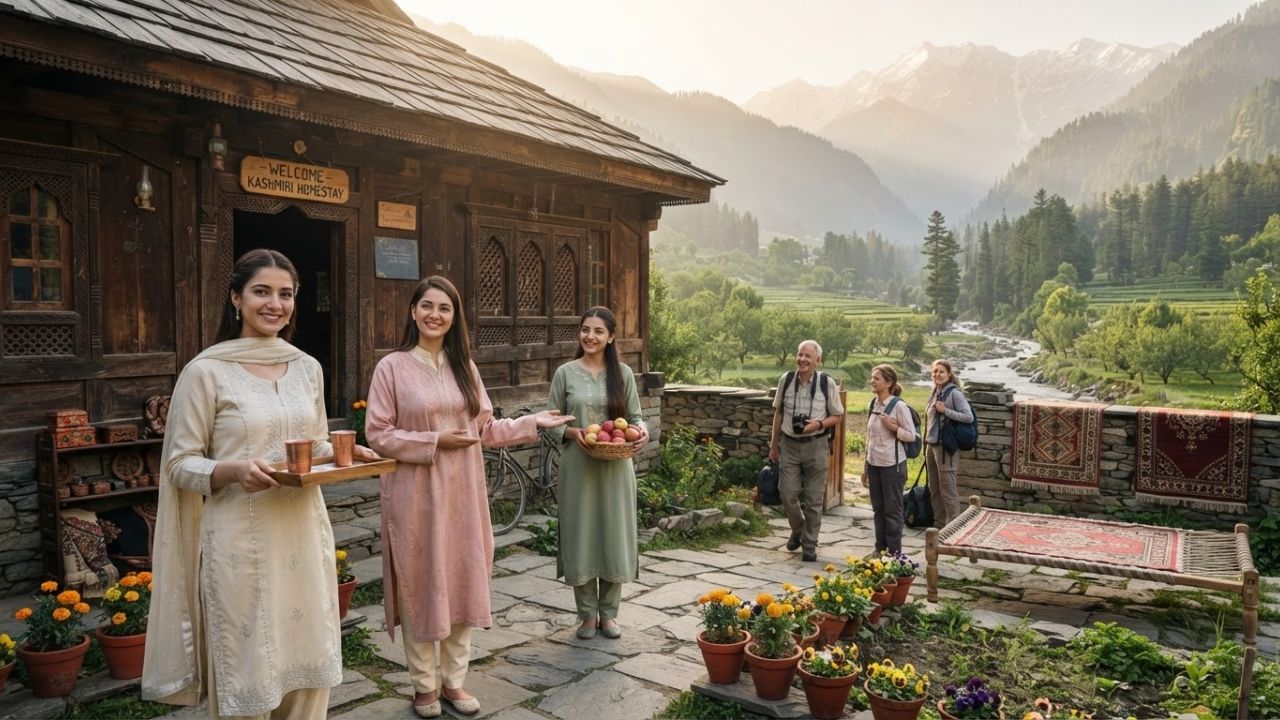
Image generated by AI
Jammu and Kashmir is expanding its community-based homestay network, allowing local households to participate directly in the regional tourism economy. By utilizing existing residential spaces rather than commercial hotels, the initiative aims to distribute travel revenue to remote Himalayan villages while protecting sensitive alpine ecosystems.
Decentralizing Travel: Homestays as Regional Gateways
The development of village accommodation is introducing a major shift in the tourism sector of Jammu and Kashmir. For decades, the region's visitor economy has been concentrated around famous destinations like Srinagar, Gulmarg, and Pahalgam, leading to crowded infrastructure and seasonal environmental strain. To address these challenges, the Jammu and Kashmir Department of Tourism is actively promoting homestays and Bed and Breakfast (B&B) units in remote valleys, including the Gurez, Lolab, and Bhaderwah regions.
According to recent survey data from the J&K Tourism Development Corporation, homestay bookings in remote villages have increased by over forty percent in the last year. This trend indicates a clear shift in traveler preferences toward experiential travel, where visitors prioritize local connections over generic hotel stays. By catering to this demand, the department is helping to create a more balanced tourism model that benefits communities state-wide. This decentralized travel model aims to distribute tourism activity more evenly across the state's diverse geography. By encouraging visitors to stay in villages, the policy directs tourism spending directly to local households, supporting the regional economy and creating demand for community-based services. In addition, utilizing existing residential spaces instead of constructing large-scale hotels protects fragile mountain ecosystems, helping to balance tourism development with environmental conservation in sensitive alpine zones.
Local Participation and Capacity Building for J&K Hosts
The viability of homestay tourism depends on placing local communities at the center of development. Families opening their homes to travelers are not merely providing lodging; they act as cultural ambassadors, sharing the region's heritage, traditional arts, and local histories directly with visitors. This direct engagement allows travelers to experience authentic Himalayan lifestyles while ensuring that the benefits of tourism reach the families who protect these destinations.
However, establishing a professional and competitive homestay sector requires systematic support for rural hosts. The regional tourism department is organizing structured training programs covering guest services, property management, safety standards, digital promotion, and hygiene protocols. By equipping local families with these professional skills, the government helps them operate successful, high-quality businesses that can compete in the global travel market, building long-term confidence among international and domestic travelers.
Financial Support and Upgrading Rural Accommodation
A primary challenge for potential homestay operators in remote districts is the initial capital required to upgrade their properties. Many rural households have suitable spaces but need financial assistance to renovate guest rooms, install modern sanitation facilities, implement safety measures, and provide essential visitor amenities.
To encourage participation, the regional administration is developing targeted financial support mechanisms, such as subsidies and low-interest loans, to help families upgrade their facilities. In addition, the regional administration has partnered with local banks to set up a simplified credit scheme for homestay owners. This scheme provides collateral-free loans of up to five lakh rupees for structural upgrades, including room extensions and modern water filtration systems. By reducing the bureaucratic hurdles for rural families, this partnership has accelerated the registration of new units across remote districts. These financial systems are designed to accommodate the seasonal nature of mountain tourism, where visitor numbers and income fluctuate depending on weather conditions and accessibility. Providing reliable access to capital helps turn ordinary village homes into professional tourism units, empowering rural families to participate actively in the state's economic growth.
Digital Integration and Standardized Quality Control
Technology plays a major role in connecting remote village homestays with the global travel market. The implementation of digital registration portals, online listing platforms, and simplified booking systems makes it easier for travelers to discover and reserve rural accommodation during their trip planning.
Alongside digital visibility, maintaining standardized quality control is essential for building visitor trust. The tourism department implements classification systems and periodic quality assessments to ensure that registered properties maintain clean facilities, reliable utilities, and consistent service standards. By using customer feedback systems and regular monitoring, the administration ensures that homestays deliver comfortable and safe experiences throughout the year, reinforcing the destination's reputation for hospitality.
Visitor Guide: Regional Dining, Travel Permits, and Himalayan Etiquette
Exploring the remote valleys of Jammu and Kashmir through homestays involves understanding local permit requirements, experiencing regional culinary traditions, and respecting local community customs. By following these guidelines, travelers can ensure a safe and respectful visit.
Before traveling to sensitive border zones near the Line of Control, such as the Gurez Valley in the Bandipora district, note that while Indian nationals do not require a formal inner line permit, they must present their original Aadhaar card (or another government-issued photo ID) at multiple military and police checkpoints. Keep several physical photocopies of your identification document ready to submit at these checkpoints. Foreign nationals face strict travel restrictions in these border zones and must obtain special clearances from the Ministry of Home Affairs prior to travel.
Experience the rich culinary heritage of the region by dining at traditional homestays. Try Kashmiri Wazwan dishes, including Rista (spiced mutton meatballs slow-cooked in a vibrant red chili gravy) and Gushtaba (tender pounded mutton meatballs cooked in a rich, cardamom-flavored yogurt gravy). Taste Noon Chai (traditional pink salted tea brewed with milk and a pinch of baking soda), which is served for breakfast alongside Girda (crusty, tandoor-baked flatbread). In the Jammu region, try Rajma Chawal, local red kidney beans slow-cooked with aromatic spices, served over steamed rice with wild pomegranate chutney. Greet your Monpa or Buddhist hosts in Ladakh and northern districts with the traditional term "Tashi Delek" to express good wishes.
Observe local etiquette to respect regional customs. Remove your shoes before entering private homes and religious shrines (mosques, temples, or monasteries). Dress modestly by ensuring your shoulders and knees are covered when walking through villages or visiting religious sites. Always ask for permission before taking photographs of local residents, especially women, and avoid photographing military installations. Carry sufficient physical cash, as ATMs are rare in remote valleys like Gurez, and travel with an experienced driver who understands the narrow mountain passes safely.
Future Outlook: Rebuilding Sustainable Mountain Communities
The long-term development of Jammu and Kashmir's homestay network focuses on establishing a sustainable, community-led tourism model that protects the region's cultural and natural wealth. By empowering local youth and supporting rural entrepreneurs, the state is building a resilient foundation for its visitor economy.
This long-term planning is supported by the Prime Minister's Development Package (PMDP) for J&K, which allocates funds for improving road connectivity and electricity grids in offbeat tourist circuits. By integrating public infrastructure improvements with community-led tourism initiatives, the state is building a sustainable foundation for rural development. This combined effort ensures that J&K remains a competitive and eco-friendly destination for global travelers. Youth participation is a key driver of this transition, with young entrepreneurs establishing local guiding services, operating adventure trekking companies, and promoting rural destinations through digital media. By integrating these local services with homestays, the community benefits from a wider, more diverse tourism network. This coordinated strategy ensures that tourism growth supports environmental conservation, preserves indigenous traditions, and provides stable livelihoods for mountain communities, positioning Jammu and Kashmir as a global model for responsible travel.
Related Travel Guides
Disclaimer
This article is for informational and educational purposes only. It does not constitute legal, financial, or professional advice. While we strive to provide accurate and up-to-date information, travel policies, regulations, and conditions change rapidly. Always verify information with official sources before making travel decisions. Nomad Lawyer makes no representations about the accuracy, reliability, completeness, or suitability of the information provided. Readers should consult qualified professionals for advice specific to their circumstances. The views expressed in this article are those of the author and do not necessarily reflect the views of Nomad Lawyer.
Kunal K Choudhary
Co-Founder & Contributor
A passionate traveller and tech enthusiast. Kunal contributes to the vision and growth of Nomad Lawyer, bringing fresh perspectives and driving the community forward.
Learn more about our team →