
Jamaica Digital Tourism Pivot 2026: AI Integration Across Montego Bay, Kingston, and Ocho Rios
Jamaica is implementing a nationwide digital transformation in 2026, deploying AI and smart tourism platforms across five major hubs to modernize visitor experiences and hospitality operations.

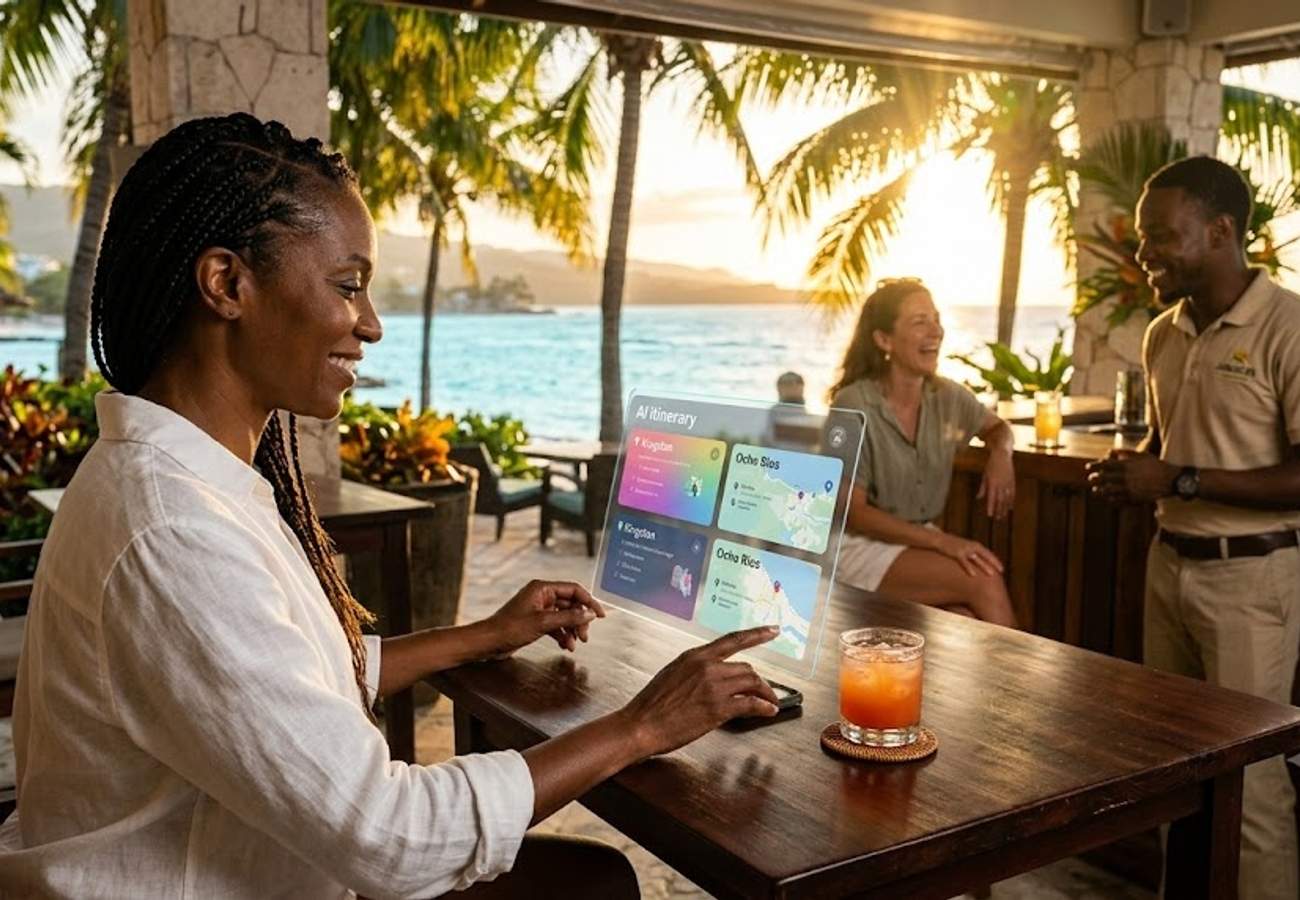
Image generated by AI
Global smart tourism adoption rates in the Caribbean have seen a marked increase from 12% in 2022 to an estimated 28% by late 2026, with Jamaica now positioning itself as the regional leader in AI-driven destination management. This shift represents a transition from basic online booking to "agentic commerce," where artificial intelligence manages the entire travel lifecycle from predictive planning to real-time on-site concierge services.
The Digital Pivot in Numbers — Jamaica 2026
The Jamaican government and the Jamaica Tourist Board are currently executing a multi-city digital overhaul. This is not a centralized update but a distributed technological rollout targeting specific regional strengths. The strategy focuses on four primary pillars: artificial intelligence (AI), smart tourism platforms, advanced data analytics, and digital tool integration.
In Montego Bay, the focus is heavily weighted toward AI hospitality solutions. The objective is to utilize predictive analytics to anticipate guest needs before they arrive, reducing service friction in high-volume resorts. Meanwhile, in Ocho Rios, the emphasis has shifted toward "agentic commerce"—AI assistants that do not just suggest activities but execute bookings and modifications autonomously.
Kingston is serving as the data engine for this transformation. By utilizing AI analytics and visitor behavior tracking, the capital is transforming from a business hub into a data-driven cultural destination. The integration of digital content strategies is designed to increase the visibility of urban tourism, moving beyond the traditional "sun and sand" narrative.
Regional Benchmarks and Technology Distribution
When comparing the 2026 digital roadmap to previous years, there is a clear shift from generic digital marketing to hyper-personalized, location-specific AI applications. Historically, Caribbean tourism relied on centralized portals; the 2026 model decentralizes this, giving smaller operators in areas like Port Antonio and the South Coast access to the same data tools as luxury resorts in St. James.
The following table breaks down the specific technological deployments by region for 2026:
| Tourism Hub | Primary Tech Focus (2026) | Key Stakeholders | Expected Outcome | Current Maturity |
|---|---|---|---|---|
| Montego Bay | Smart Systems & AI Hospitality | Ministry of Tourism, Tech Innovators | Reduced service latency; predictive guest services | High (Innovation Center) |
| Ocho Rios | Agentic Commerce & AI Planning | JAPEX Participants, Local Hotels | Frictionless booking; personalized itineraries | Moderate (Testing Phase) |
| Kingston | Behavior Tracking & AI Analytics | Govt Agencies, Tech Sector | Higher urban tourism conversion rates | High (Digital Hub) |
| Negril | AI Concierge & Automated CRM | Boutique Hotels, Tech Providers | Increased guest engagement; operational efficiency | Moderate (Early Adoption) |
| Port Antonio | Eco-Tourism Tech & Digital Promo | Local SMEs, Destination Managers | Increased visibility for nature-based sites | Emerging |
| South Coast | Digital Skills & SME Adoption | Training Institutions, Local Biz | Inclusion of SMEs in the digital economy | Emerging |
This regional distribution mirrors global trends reported by the World Tourism Organization (UNWTO), where destination management organizations (DMOs) are moving toward "Smart Destination" frameworks to manage overtourism and improve resource allocation.
Practical Traveler Advisory and Strategic Insights
For the individual traveler, the shift toward a digitized tourism landscape in Jamaica changes the booking and on-site experience in three tangible ways:
- Shift in Booking Windows: With the introduction of AI-powered predictive analytics in Montego Bay and Ocho Rios, dynamic pricing will become more aggressive. Travelers should monitor fares using AI tracking tools, as "agentic commerce" will allow hotels to adjust prices in real-time based on hyper-local demand data.
- Personalization Over Packages: The era of the generic "all-inclusive" itinerary is fading. Travelers visiting Kingston or Port Antonio in 2026 can expect AI-driven recommendations tailored to their specific behavior patterns, meaning a higher likelihood of discovering niche cultural sites and eco-tourism spots that were previously invisible to the average tourist.
- Reduced Friction: The deployment of digital concierge systems and automated customer communication in Negril means that the "wait time" for guest requests is expected to drop significantly. Travelers should expect to interact with AI interfaces for routine requests (towels, dining reservations, transport) while human staff focus on high-touch hospitality.
Jamaica's digital tourism pivot in 2026 is expected to revolutionize the way visitors experience the island, with AI integration across major destinations like Montego Bay, Kingston, and Ocho Rios. The Jamaica Tourism Board has announced plans to launch a new mobile app, allowing travelers to navigate and discover local attractions with ease. This initiative aims to enhance the overall tourist experience and increase visitor engagement.
Forward Projection: The 2027-2030 Trajectory
Based on current data, Jamaica is moving toward a "Seamless Visitor Journey" model. The current focus on AI and data analytics is the foundation for what will likely become a fully integrated national tourism ID system by 2028. This would allow a traveler to move from the airport in Montego Bay to a boutique hotel in Negril and a cultural tour in Kingston with a single digital profile that manages payments, preferences, and security clearances.
The expansion of digital skills in Mandeville and the South Coast suggests that the "digital divide" between luxury resorts and local SMEs will shrink. As more small-scale operators adopt these tools, the economic benefit of tourism will distribute more evenly across the island's geography. We expect to see a 15-20% increase in "off-the-beaten-path" visitor traffic as digital promotion tools make remote areas like Port Antonio more accessible to the global market.
FAQ: Jamaica Digital Tourism 2026
Will AI replace the famous Jamaican hospitality? No. The current strategy treats AI as a tool to handle operational efficiency (bookings, FAQs, data), allowing human staff to focus more on the personalized, high-touch emotional connection that defines Jamaican hospitality.
Is it better to book through AI assistants or traditional agents? For 2026, AI assistants in Ocho Rios and Montego Bay are becoming more efficient for real-time changes. However, for complex, multi-city itineraries involving the South Coast, human agents still provide better nuance for emerging destinations.
Which city is the most "tech-forward" for a visitor? Montego Bay is currently the leading innovation center for hospitality tech, while Kingston offers the most advanced digital infrastructure for urban and cultural exploration.
Will these digital tools increase travel costs? Not necessarily. While AI enables dynamic pricing, it also opens the market to smaller, more affordable SMEs in Port Antonio and the South Coast, providing travelers with more budget-friendly, authentic alternatives.
The transition from sand-and-surf to bits-and-bytes is officially underway in the Caribbean.
Related Travel Guides
Disclaimer
This article is for informational and educational purposes only. It does not constitute legal, financial, or professional advice. While we strive to provide accurate and up-to-date information, travel policies, regulations, and conditions change rapidly. Always verify information with official sources before making travel decisions. Nomad Lawyer makes no representations about the accuracy, reliability, completeness, or suitability of the information provided. Readers should consult qualified professionals for advice specific to their circumstances. The views expressed in this article are those of the author and do not necessarily reflect the views of Nomad Lawyer.
Kunal K Choudhary
Co-Founder & Contributor
A passionate traveller and tech enthusiast. Kunal contributes to the vision and growth of Nomad Lawyer, bringing fresh perspectives and driving the community forward.
Learn more about our team →