
Italy Road Trips Become A Must-Try Adventure With Scenic Routes and Smart Cars
Explore Italy's diverse terrain and hidden regional escapes, from the Dolomite peaks to the Amalfi Coast, with smart vehicle recommendations.

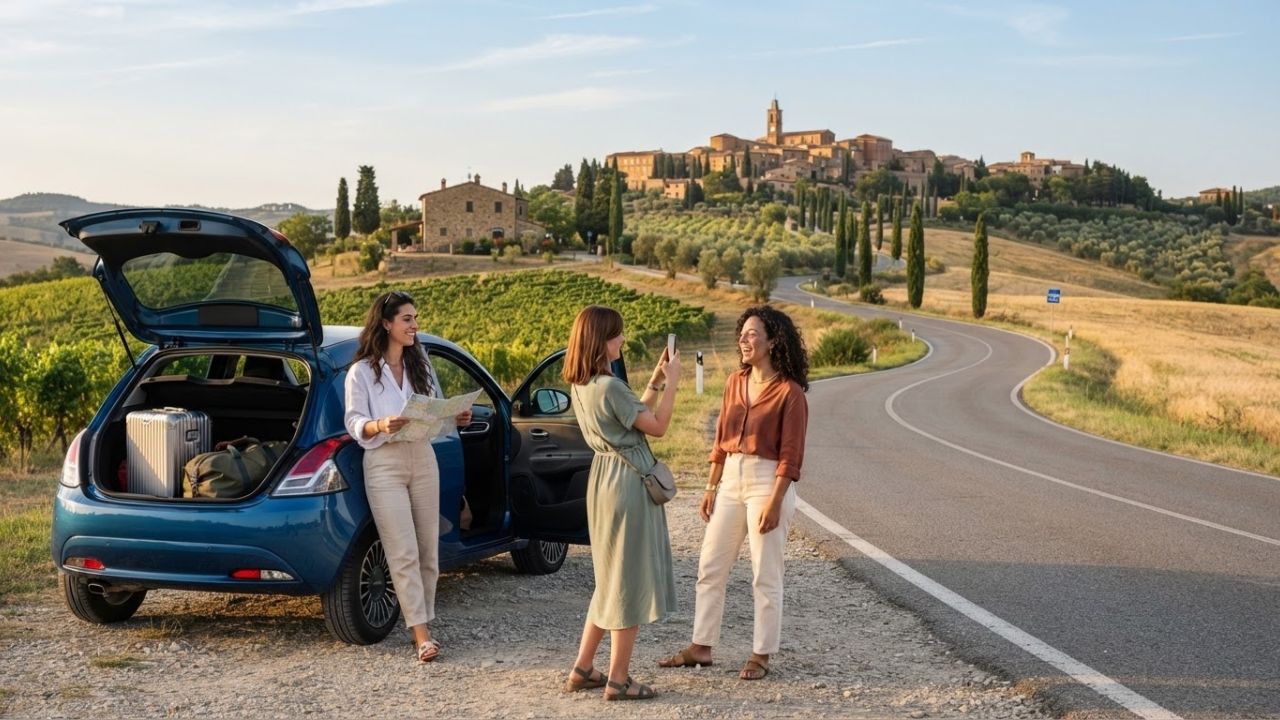
Image generated by AI
Exploring Italy by road has emerged as a premier travel trend in 2026, offering direct access to historic villages, vineyards, and UNESCO-protected sites like the Dolomites. Covering approximately 141,903 hectares and featuring 18 peaks over 3,000 meters, these northern routes present a dramatic backdrop for travelers seeking to escape major transit hubs.
Italy's primary advantage as a road trip destination is its regional variety. The territory stretches from the Alpine peaks in the north to the Mediterranean shorelines of the south, with each province maintaining distinct culinary traditions, architectural heritage, and scenery. Long vehicle journeys allow visitors to transition between Alpine valleys, vineyard-covered hills, and ancient coastal settlements.
By organizing itineraries around regional roads, travelers can bypass busy transit hubs, supporting local communities and exploring rural agritourism estates at their own pace.
Exploring Italy’s Regional Diversity and UNESCO-Protected Vistas
According to environmental surveys compiled by UNESCO, the Dolomites are recognized for their geological significance and Alpine topography. The protected site encompasses approximately 141,903 hectares and includes 18 peaks rising above 3,000 meters. Driving through this northern province provides access to traditional mountain communities that have developed alongside the terrain, offering a stark contrast to urban tourist centers.
In the south, coastal routes showcase how historic settlements have adapted to dramatic maritime cliffs. The Amalfi Coast is celebrated as a cultural landscape where agricultural terraces, lemon orchards, and cliffside villages have coexisted for centuries. Navigating these environments highlights the connection between regional identity and local geography, as monitored by the Italian National Tourist Board (ENIT).
Classic Countryside Journeys and Alpine Lake Routes
To experience Italy's classic countryside, travelers frequently select routes through Tuscany. A typical route links Florence with the Chianti wine region, Siena, the Val d'Orcia, Montepulciano, and Pisa. This trail crosses rolling hills, cypress-lined avenues, and medieval hill towns, connecting agricultural heritage directly with the traveler's experience.
For an Alpine lake route, a popular itinerary begins in Milan and travels toward Lake Como, Lake Garda, the Dolomites, and Venice. This loop combines water scenery with high-altitude passes and historic cities. Crossovers, compact SUVs, or mid-sized sedans are recommended for these northern routes, providing comfort on winding mountain ascents while remaining manageable in historic village centers.
Navigating the Amalfi Coast with Smart Vehicle Choices
The coastal geography of southern Italy requires careful planning regarding vehicle size. The Amalfi Coast route features narrow lanes, blind curves, and limited parking spaces. Large SUVs or wide sedans can be difficult to manage, particularly during peak summer months.
A compact automatic car is the most practical recommendation for independent travelers visiting the Amalfi Coast. Furthermore, visitors must account for the local Restricted Traffic Zones—known as Zona a Traffico Limitato (ZTL)—which prohibit unauthorized vehicles from entering historic city centers across Italy.
Local Visitor Guide and Italian Driving Regulations
To help you navigate Italian roads safely and legally:
- Understanding ZTL Zones: Look out for white circular signs with a red border indicating a Zona a Traffico Limitato. Entering these zones without a resident permit or hotel registration will result in automatic camera-generated fines.
- Highway Code (Codice della Strada): The national speed limit is 130 km/h on motorways (Autostrade), 110 km/h on main non-urban roads, and 50 km/h in urban areas. Check road safety updates from the Ministry of Infrastructure and Transport.
- Paying for Tolls: The Autostrade network uses a toll system. You can pay with cash or credit cards in the blue and white lanes. Avoid the yellow lanes marked Telepass unless your rental car is equipped with an electronic transponder.
- Local Culinary Specialties:
- In Tuscany: Stop in San Gimignano for Ribollita (a Tuscan bread and vegetable soup) and a glass of Vernaccia white wine.
- In Emilia-Romagna: Try Tagliatelle al Ragù and Parmigiano-Reggiano cheese in countryside trattorias.
- Off-Peak Travel Seasons: Plan your road trip for late spring (April to May) or early autumn (September to October). During these windows, the weather is mild, roads are less congested, and rural wineries are active with the harvest.
Future Projections for Regional Agritourism and Destination Dispersal
The popularity of regional road trips aligns with national efforts to promote sustainable tourism beyond major cities. Visitor statistics tracked by the Istituto Nazionale di Statistica (ISTAT) show that regional destinations contribute significantly to the national visitor economy, dispersing traveler spending to local farmers, artisans, and family-run trattorias.
Over the coming years, the integration of electric vehicle charging infrastructure along rural routes is expected to expand, supporting green travel initiatives. By encouraging visitors to explore smaller communities, Italy's road network serves as a vital bridge, protecting regional cultural heritage while fostering sustainable economic development in rural areas.
Related Travel Guides
- Italy Tourism Forecast 2026: Ferragosto Expected to Draw 17.4 Million Visitors and €9 Billion in Spending
- Sweden Launches Global Tourism Campaign with First Travel Prescription Turning Nature into Wellness Escape
- South Korea Reveals Hidden Ocean Travel Empire with Yeosu's 2026 World Island Exhibition
Disclaimer
This article is for informational and educational purposes only. It does not constitute legal, financial, or professional advice. While we strive to provide accurate and up-to-date information, travel policies, regulations, and conditions change rapidly. Always verify information with official sources before making travel decisions. Nomad Lawyer makes no representations about the accuracy, reliability, completeness, or suitability of the information provided. Readers should consult qualified professionals for advice specific to their circumstances. The views expressed in this article are those of the author and do not necessarily reflect the views of Nomad Lawyer.
Kunal K Choudhary
Co-Founder & Contributor
A passionate traveller and tech enthusiast. Kunal contributes to the vision and growth of Nomad Lawyer, bringing fresh perspectives and driving the community forward.
Learn more about our team →