
Italy Homestay Tourism Surge 2026: UK and US Markets Drive Rural Agriturismo Growth
Italy's hospitality sector sees a structural shift toward rural homestays and agriturismos in 2026, with 171.8 million arrivals expected this summer as travelers flee urban overtourism.

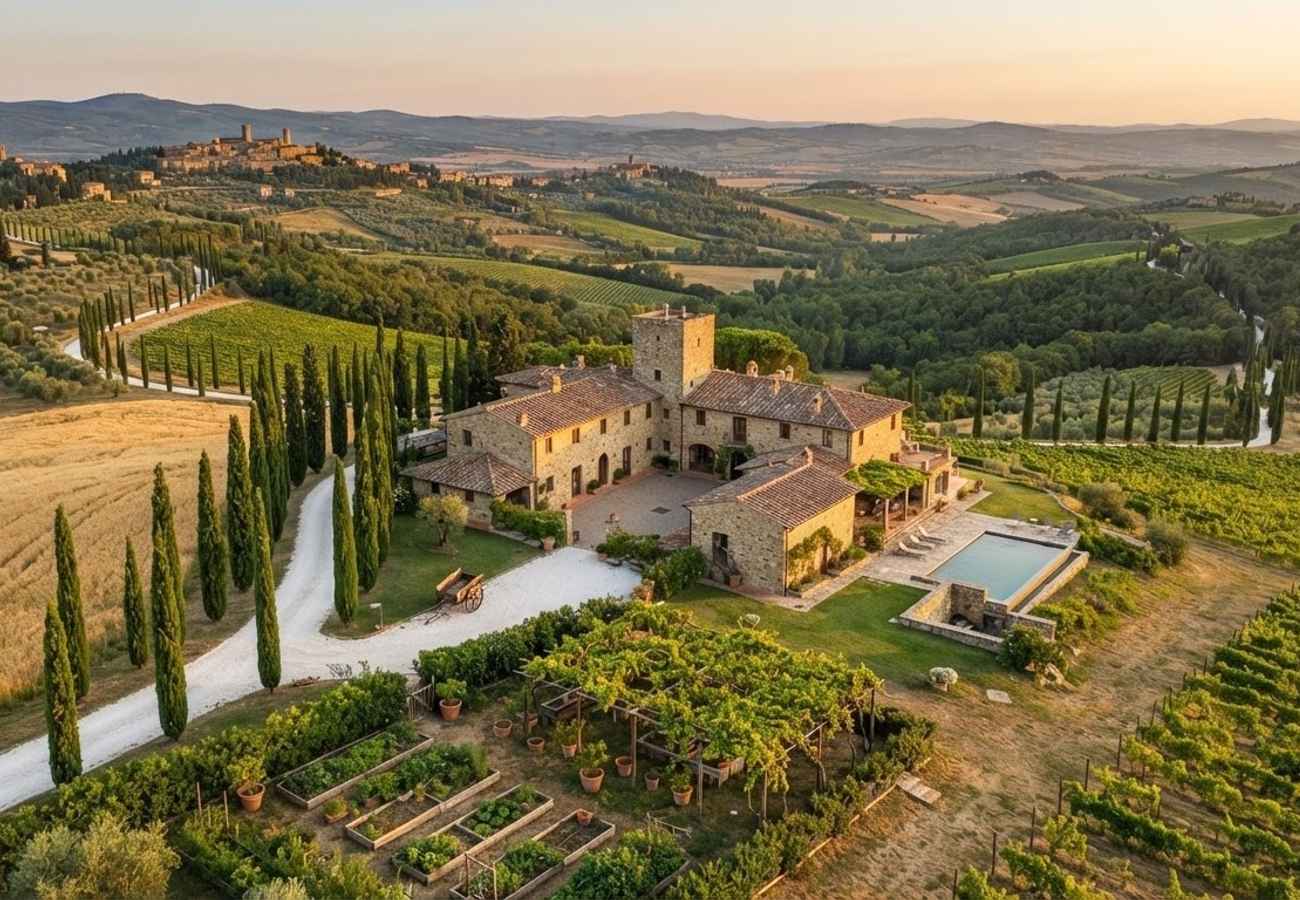
Image generated by AI
Italy is witnessing a systemic redistribution of tourist flows as 2026 marks the peak of the "rural realignment." Driven by a desire to escape urban saturation in Rome and Venice, international travelers from the UK, US, Germany, and France are pivoting toward authentic agriturismos and village stays.
The traditional model of mass tourism in Italy has reached a critical saturation point. By 2026, the pressure on municipal infrastructure in cultural capitals has prompted a structural necessity for decentralization. National tourism boards are now aggressively promoting provincial towns and countryside estates to preserve historic heritage and enhance the quality of the visitor experience. This shift is reflected in Italy's current standing in the WEF Travel & Tourism Development Index, where it ranks 9th, trailing Spain and France, highlighting a need for improved governance of tourist influxes.
The 2025 Pivot and Rural Growth Metrics
The momentum observed in 2026 was established during a consolidation phase in 2025. During this period, "proximity tourism" gained traction, pushing visitors toward emerging regions such as Abruzzo, Molise, and Basilicata. These areas have recorded double-digit growth rates, previously unseen in regions outside the primary tourist circuits.
Data from the preceding period indicates the scale of this shift:
- Rural Village Stays (2025): Increased by 7%.
- Small Town Digital Interest (2024): 94 million queries, a 52% increase year-over-year.
- Market Valuation (2025): The overall Italy travel and tourism market was valued at USD 27.5 billion.
- Future Projections (2034): Estimated growth to USD 33.9 billion with a CAGR of 2.28%.
Agriturismo: The Engine of Boutique Travel
Central to this growth is the modern agriturismo. Unlike standard bed and breakfasts, these are officially classified working farms. This legal and operational distinction ensures that guests engage with actual agricultural production rather than a simulated rustic experience.
The evolution of the agriturismo in 2026 blends traditional farming with luxury amenities, farm-to-table dining, and cultural workshops. This appeals to an affluent demographic that rejects commodified luxury in favor of exclusivity and genuine interaction with local producers.
2026 Arrival Forecasts and Market Trends
The first quarter of 2026 closed with 71.6 million arrivals, a 16% increase compared to Q1 2025. This trajectory points toward a record-breaking summer season.
| Metric | Summer 2026 Projection (July-August) |
|---|---|
| Total Expected Arrivals | 171.8 Million |
| Foreign Tourist Share | 52% |
| International Guest Volume | 89 Million+ |
| High-Spend Region | Tuscany (Avg. >€1,000 per capita) |
Source Market Analysis: The UK Influence
The United Kingdom remains a primary driver of the rural revival. While Tuscany has historically been the epicenter for British travelers—maintaining the highest average per capita expenditure for international tourism in Italy—there is a noticeable expansion into Umbria, Le Marche, and Puglia.
In 2025, industry players such as Farm Stay UK expanded their portfolios to specifically target the Italian homestay segment. This strategic move captured the growing British demand for "slow travel," moving beyond the traditional "Chiantishire" borders toward unpretentious, curated farm experiences.
Traveler Logistics Guide: Navigating Rural Italy
From a ground-level perspective, transitioning from urban hubs to rural agriturismos requires a different logistical approach than standard city tourism.
Transportation and Connectivity Relying on trains for the "final mile" in regions like Basilicata or Molise is often impractical. The most efficient method is to utilize high-speed rail (Frecciarossa) to the nearest provincial capital and pre-arrange a private transfer or rental car. Note that many rural estates have limited parking and narrow access roads; ensure your vehicle size is compatible with village infrastructure.
Booking and Verification To ensure an authentic experience, verify that the property is a certified Agriturismo. Official certifications guarantee that the property maintains a minimum percentage of agricultural activity, preventing "fake" farm stays that are simply hotels with a rural aesthetic.
Digital and Customs Policies While Italy is integrating more digital services, rural areas still rely heavily on cash for small-scale local producers. Ensure you have a mix of digital payment methods and Euros. For non-EU travelers, keep digital copies of your passport and travel insurance accessible, as rural clinics may require these for admission.
Infrastructure Impact Assessment
The redistribution of 89 million international guests away from urban centers is significantly impacting regional economies. By diverting traffic to the "hidden hamlets," Italy is effectively spreading tourism revenue to underserved populations. This reduces the strain on the sewage, transport, and waste management systems of Venice and Florence while providing the capital necessary for the restoration of decaying rural architecture.
The shift toward slow travel is no longer a niche preference but a structural requirement for Italy's survival as a global destination.
Related Travel Guides
Disclaimer
This article is for informational and educational purposes only. It does not constitute legal, financial, or professional advice. While we strive to provide accurate and up-to-date information, travel policies, regulations, and conditions change rapidly. Always verify information with official sources before making travel decisions. Nomad Lawyer makes no representations about the accuracy, reliability, completeness, or suitability of the information provided. Readers should consult qualified professionals for advice specific to their circumstances. The views expressed in this article are those of the author and do not necessarily reflect the views of Nomad Lawyer.
Preeti Gunjan
Contributor & Community Manager
A passionate traveller and community builder. Preeti helps grow the Nomad Lawyer community, fostering engagement and bringing the reader experience to life.
Learn more about our team →