
Italy Flight Chaos Strands Hundreds Amid 389 Delays, 55 Cancellations in April 2026
Italy flight chaos erupted across Rome, Milan, Venice and Palermo airports on April 17, 2026, with 389 delays and 55 cancellations stranding hundreds of passengers on Alitalia, Ryanair and easyJet services.

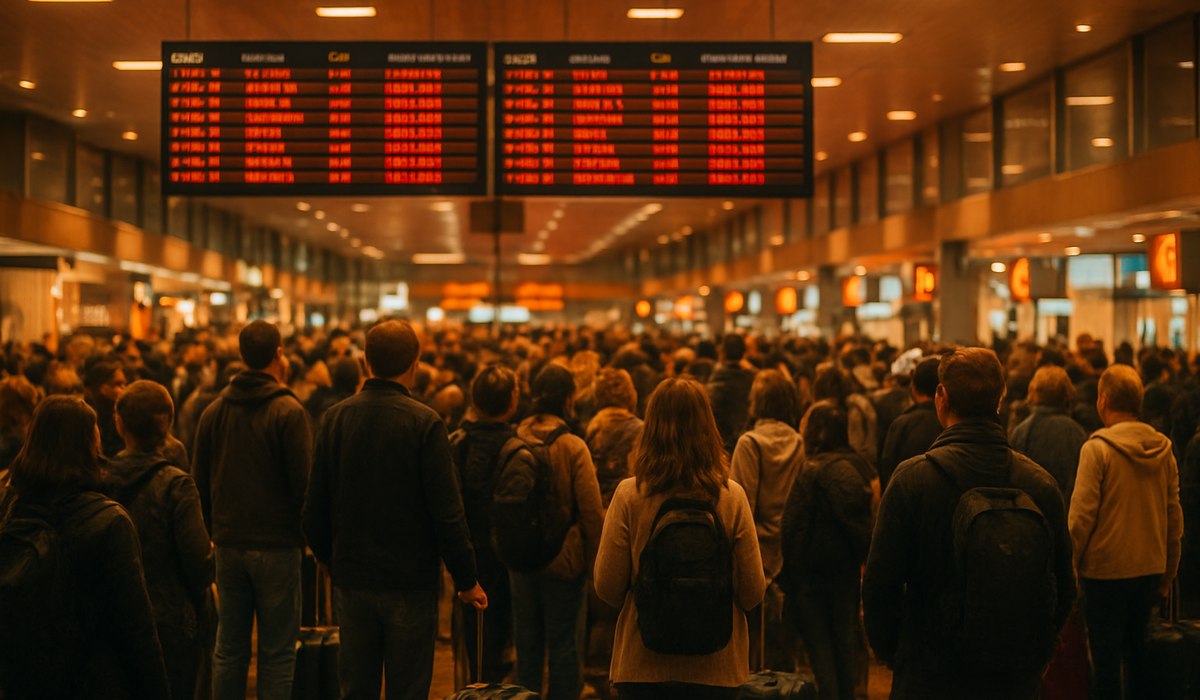
Image generated by AI
Italy Flight Chaos Cascades Across Four Major Airports
Italy flight chaos erupted on April 17, 2026, as Rome Fiumicino, Milan Malpensa and regional hubs experienced a cascade of operational failures. Hundreds of passengers found themselves stranded after 389 flight delays and 55 cancellations rippled across services operated by Alitalia-branded carriers, Ryanair and easyJet. The disruption, concentrated at Italy's busiest gateways including Venice Marco Polo and Palermo Falcone Borsellino, triggered missed connections, extended terminal waits and widespread travel plan revisions across Europe's busiest leisure and business corridors.
Major Italian Hubs Buckle Under Operational Strain
Italy's primary aviation infrastructure faced unprecedented strain during the April disruption. Rome Fiumicino, handling both international and domestic traffic, reported cascading delays across European connections. The airport's dual-gateway status as Europe's third-busiest hub meant delays quickly multiplied across downstream flights to Paris, Frankfurt and London.
Milan's Malpensa and Linate airports absorbed the second wave of disruption, with business travelers facing extended delays on shuttle routes to Rome and domestic services to Sicily. The city's role as a financial hub magnified business travel impact, affecting meetings, conferences and corporate schedules across Northern Italy.
Venice Marco Polo and Palermo Falcone Borsellino, critical for Mediterranean tourism and island connectivity, reported disproportionately high cancellation rates relative to overall movements. The pattern reveals structural vulnerability in how Italy's regional airports handle peak-period compression. When major hubs experience gridlock, smaller airports absorb passenger overflow, creating secondary bottlenecks.
Flight tracking data from FlightAware documented the real-time progression of delays, with morning peak departures between 06:00-10:00 UTC and afternoon waves between 16:00-20:00 UTC showing maximum compression.
Cascading Delays Across Rome, Milan and Key Gateways
The 389 delays documented throughout April 17 weren't randomly distributed. Instead, they clustered around two distinct operational windows when aircraft rotations peak and crew duty-time constraints tighten. This concentration meant brief ground delays—fuel truck queues, baggage loading issues, or minor maintenance checks—cascaded into downstream flights within minutes.
Ryanair's extensive point-to-point network from Rome Ciampino, Milan and secondary airports to Mediterranean destinations proved especially vulnerable. With aircraft operating multiple rotations daily on tight 25-minute turnarounds, any ground hold immediately pushed subsequent departures. easyJet's presence at Milan Malpensa and Venice created additional pressure as gate congestion and crew rostering challenges compounded typical Sunday-afternoon traffic peaks.
Alitalia-linked operations on flagship domestic routes such as Rome-Milan and services into Southern Italy reported elevated disruption rates. These routes, historically designed around frequent business-traveler shuttles, now blend leisure, connecting and business passengers, leaving minimal schedule flexibility. When operational issues emerge, recovery becomes mathematically impossible without cancellations.
The interconnected nature of European aviation meant delays originating in Rome rippled through Rome-Berlin, Rome-Brussels and Rome-Paris services, affecting connections across the continent. Passengers booked through Milan for onward flights to London or Amsterdam faced missed connections and overnight hotel assignments.
Impact on Business and Leisure Travelers
The operational disruption disproportionately affected business travelers heading to Milan's financial district and leisure passengers targeting Easter holiday breaks. Business travelers reported missed client meetings, rescheduled presentations and revenue-impacting delays on same-day return flights. The Milan-Rome shuttle, operating hourly during peak periods, effectively shut down after 14:00 UTC, stranding executives attempting afternoon returns.
Leisure passengers heading to Sicily, Sardinia and Mediterranean island destinations faced shortened vacations as late arrivals consumed precious daylight hours. Families with booked hotel check-ins, rental cars and activity reservations confronted cascading cost implications. Venice tourists, arriving after midnight from major European hubs, struggled accessing island water transport and accommodation.
Connecting passengers proved most vulnerable. A passenger booked Rome-New York with a technical stop in Milan faced two failure points. When the Rome-Milan feeder flight delayed three hours, the international connection vanished despite oversold load factors and crew duty-time limits preventing reasonable rescheduling.
The disruption's human cost extended beyond missed flights to accommodation deficits. Italian airport hotels, fully booked for the peak Easter season, struggled accommodating unexpected overnight passengers. Airlines faced four-figure per-passenger hotel and meal voucher expenses, eating into operational margins and competing for limited bed inventory.
Systemic Vulnerability in Italy's Air Transport Network
The April 17 disruption exposed structural vulnerabilities in how Italy's aviation network handles peak-period compression. Unlike hub-and-spoke systems with built-in schedule buffers, Italy's mixed model of legacy and low-cost carriers operating from overlapping time slots creates fragility. When one carrier experiences delays, ground congestion immediately affects others competing for gates, fuel trucks and air-traffic control slots.
The pattern mirrors recurring turbulence across Italy's network in recent months. Minor operational shocks—weather delays, technical issues, staff call-outs—quickly cascade because airlines operate with minimal slack between flights. Aircraft are scheduled to land, refuel, reboard and depart within 30-40 minutes on short routes. Any deviation triggers domino failures across the day's rotation.
Regulatory frameworks governing European air-traffic management, overseen by the FAA's international office, establish strict slot-use requirements. These rules prevent airlines from padding schedules with recovery time, forcing operators to pack flights densely. The consequence: small disruptions become systemic crises within hours.
Italy's flag-carrier transition—moving from traditional Alitalia to successor operations—has further fragmented the network. When one entity experienced disruptions, alternatives (Ryanair, easyJet, others) couldn't efficiently absorb passengers due to regulatory slot constraints and aircraft positioning challenges.
Traveler Action Checklist
If you're traveling through Italy or connecting through Italian airports during disruptions, follow these steps:
-
Check flight status immediately using FlightAware or airline apps before departing home; refresh every 15 minutes once airport-bound.
-
Document all flight information: confirmation numbers, original itinerary timestamps, and seat assignments for rebooking reference.
-
Understand your rights under EU Regulation 261/2004; most EU-regulated carriers must offer rebooking, meals and accommodation for delays exceeding three hours.
-
Notify your airline promptly if delays cause missed connections; request written confirmation of rebooking on next available flight.
-
Photograph boarding passes and delay announcements for compensation claim documentation.
-
Contact the US Department of Transportation through DOT's aviation consumer protection page if your carrier is American-registered or co-branded.
-
Request compensation in writing within 30 days; include flight details, delay duration and supporting evidence.
-
Verify rebooking terms: confirm new flight details, seat assignments and connection times before accepting rebooking.
| Metric | Count | Impact Zone | Primary Airlines | Peak Hours (UTC) |
|---|---|---|---|---|
| Flight Delays | 389 | Rome, Milan, Venice, Palermo | Ryanair, easyJet, Alitalia | 06:00-10:00, 16:00- |
Disclaimer
This article is for informational and educational purposes only. It does not constitute legal, financial, or professional advice. While we strive to provide accurate and up-to-date information, travel policies, regulations, and conditions change rapidly. Always verify information with official sources before making travel decisions. Nomad Lawyer makes no representations about the accuracy, reliability, completeness, or suitability of the information provided. Readers should consult qualified professionals for advice specific to their circumstances. The views expressed in this article are those of the author and do not necessarily reflect the views of Nomad Lawyer.
Kunal K Choudhary
Co-Founder & Contributor
A passionate traveller and tech enthusiast. Kunal contributes to the vision and growth of Nomad Lawyer, bringing fresh perspectives and driving the community forward.
Learn more about our team →