
Italy Aligns With Greece, Norway and More European Destinations to Create Ultimate Travel Bucket List Journeys: All You Need to Know
Italy Aligns With Greece, Norway and More European Destinations to Create Ultimate Travel Bucket List Journeys: All You Need to Know

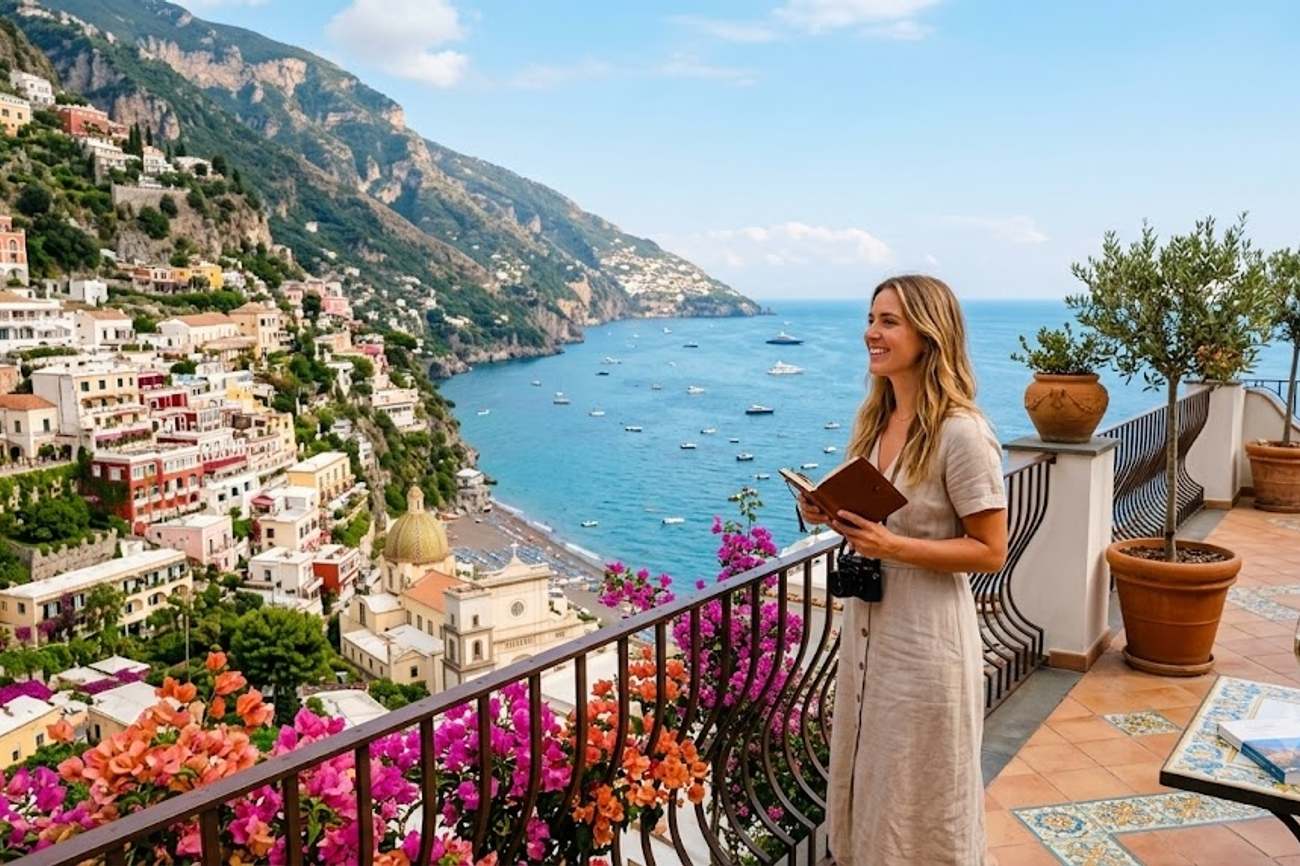
Image generated by AI
[Brussels, October 2023] — European tourism is undergoing a systemic shift as global travelers pivot away from traditional metropolitan sightseeing toward "slow travel" and immersive regional experiences across more than 40 countries. This transition marks a strategic move by visitors to bypass overcrowded hubs like Paris and Rome in favor of rural heritage landscapes, Arctic wilderness, and sustainable, nature-based itineraries.
The trend is driven by a growing demand for meaningful adventure over checklist tourism. From the volcanic terrains of Iceland to the emerging coastal markets of the Balkans, the European travel sector is seeing a redistribution of passenger traffic. Travelers are now prioritizing local traditions, authentic culinary experiences, and architectural exploration in lesser-known provinces, effectively diversifying the economic impact of tourism across the continent.
The Shift Toward Decentralized Tourism
The immediate catalyst for this change is a documented fatigue with "overtourism" in Europe's primary capitals. This has triggered a surge in interest for secondary and tertiary destinations where traditional lifestyles remain intact. The movement is characterized by a preference for long-form journeys—such as scenic rail routes and coastal road trips—rather than short-stay city breaks.
This evolution is particularly evident in the Mediterranean and Nordic regions, where the infrastructure is adapting to accommodate a higher volume of visitors seeking "quiet corners." The integration of sustainability-focused tourism, particularly in Northern Europe, is now a primary driver for destination selection, with travelers choosing locations based on their environmental footprint and commitment to preserving natural landscapes.
Regional Market Impact and Primary Destinations
The redistribution of travel interest is impacting several key markets, shifting the focus from urban centers to specific regional assets:
Southern Europe & Mediterranean
- Italy: Traffic is diversifying from the Venice-Florence-Rome triangle into the Tuscany countryside, the Amalfi Coast, and various Italian islands to pursue "slow travel" and regional craftsmanship.
- Greece: While Athens remains a primary entry point, there is an increased flow toward lesser-known Aegean islands and rural village festivals beyond the Santorini and Mykonos corridors.
- Spain: Demand is expanding beyond Barcelona and Madrid into the historic cities of Andalusia and the rural interior, focusing on traditional festivals and Mediterranean coastlines.
- Portugal: Growth is concentrated in the wine tourism sectors of Porto, the urban culture of Lisbon, and the hiking trails of Madeira and the Algarve.
Northern Europe & Arctic Circle
- Norway: The market is dominated by adventure tourism, with high volumes of visitors targeting the UNESCO World Heritage listed Geirangerfjord, the Arctic hub of Tromsø, and the Lofoten Islands for Northern Lights viewing and fjord cruises.
- Iceland: This market continues to scale based on "fire and ice" attractions, specifically geothermal lagoons, black sand beaches, and glacier landscapes.
- Finland: A niche but growing market for "wellness tourism" is emerging, centered on the silence of the lakes region, Finnish Lapland, and the design architecture of Helsinki.
Central Europe & The Balkans
- Switzerland: The market remains focused on luxury Alpine experiences, utilizing the country's high-efficiency transport network to connect ski resorts and lakeside towns.
- The Balkans: This is the fastest-growing "emerging" sector. Croatia is the primary draw with its Adriatic coastline, but significant growth is reported in Slovenia’s green landscapes, Albania’s coastal escapes, and Montenegro’s bay adventures.
Practical Traveler Advisory and Strategic Insights
For the modern traveler, this shift translates to a fundamental change in how trips are planned and executed. The "bucket list" approach is being replaced by a curated, slower pace of movement.
Booking and Logistics Travelers should expect a higher demand for boutique, family-run accommodations and regional transport options. Instead of relying solely on major airport hubs, there is a greater utility in utilizing regional rail networks and coastal road rentals to reach remote areas.
Budgeting and Value While luxury remains a staple in markets like Switzerland, destinations such as Portugal and the Balkans are offering a high-value alternative, combining historical depth with greater affordability and hospitality.
Experience Expectations The focus has shifted from "seeing" to "experiencing." This means a higher emphasis on:
- Culinary Immersion: Prioritizing local markets and family-run restaurants over international chains.
- Nature-Centric Itineraries: Booking activities like Northern Lights viewing in Norway or glacier hiking in Iceland.
- Cultural Integration: Seeking out traditional craftsmanship and village life in Italy and Greece.
The Future of European Transit and Sustainability
The trajectory of European travel is now inextricably linked to sustainability. The move toward "slow travel" is not merely a preference but a response to the environmental impact of mass tourism. We are seeing a transition toward rail-centric itineraries that reduce the reliance on short-haul flights.
Future developments will likely see an increase in "green corridors"—routes specifically designed to minimize carbon footprints while maximizing local economic benefit. The European Travel Commission and various national tourism boards are expected to further promote these sustainable alternatives to prevent the degradation of iconic landscapes.
The integration of wellness and nature-based tourism, as seen in Finland, is expected to become a blueprint for other Nordic and Alpine regions, moving the industry toward a model of "regenerative tourism" where the visit actually contributes to the preservation of the site.
FAQ: European Heritage Travel 2024
What is "slow travel" in the European context? Slow travel is a mindset that prioritizes depth over breadth. Instead of visiting five cities in ten days, travelers spend a week in one region, such as Tuscany or the Algarve, focusing on local culture, food, and a relaxed pace of exploration.
Which emerging destinations are best for avoiding crowds? The Balkans are currently the top choice for those seeking fewer crowds. Albania, Montenegro, and Slovenia offer stunning natural beauty and rich history without the extreme congestion found in Western European hubs.
How can I plan a sustainable trip to Northern Europe? Focus on destinations with strong sustainability mandates, such as Finland and Norway. Utilize electric rental cars for coastal road trips and prioritize rail travel between cities to reduce your overall carbon footprint.
Are the Arctic destinations accessible year-round? Yes, but the experience varies. Tromsø and Lapland are prime for Northern Lights and winter sports from October to March, while the fjords of Norway and the landscapes of Iceland are most accessible for hiking and cruising during the summer months.
The era of the tourist is ending; the era of the immersive traveler has arrived.
Related Travel Guides
- United States Travel Rules Change as Trump Extends $100,000 H-1B Requirement Through 2027
- US Oklahoma City Boosts Tourism As 2026 State Fair Brings New Attractions, Modern Venues And Visitor Experiences
- Canada Aligns With Colombia And More In Fueling Florida Tourism Growth As The Palm Beaches Welcome Over 6 Million Visitors In H1 2026
Disclaimer
This article is for informational and educational purposes only. It does not constitute legal, financial, or professional advice. While we strive to provide accurate and up-to-date information, travel policies, regulations, and conditions change rapidly. Always verify information with official sources before making travel decisions. Nomad Lawyer makes no representations about the accuracy, reliability, completeness, or suitability of the information provided. Readers should consult qualified professionals for advice specific to their circumstances. The views expressed in this article are those of the author and do not necessarily reflect the views of Nomad Lawyer.
Kunal K Choudhary
Co-Founder & Contributor
A passionate traveller and tech enthusiast. Kunal contributes to the vision and growth of Nomad Lawyer, bringing fresh perspectives and driving the community forward.
Learn more about our team →