
Istanbul Hotels 2026: Safaryar Expands Supply as 41% of Turkey's Visitors Flock Here
Istanbul dominates Turkish tourism in 2026, capturing 41.72% of foreign arrivals. Safaryar Holidays expands hotel inventory to meet record demand during peak travel season.

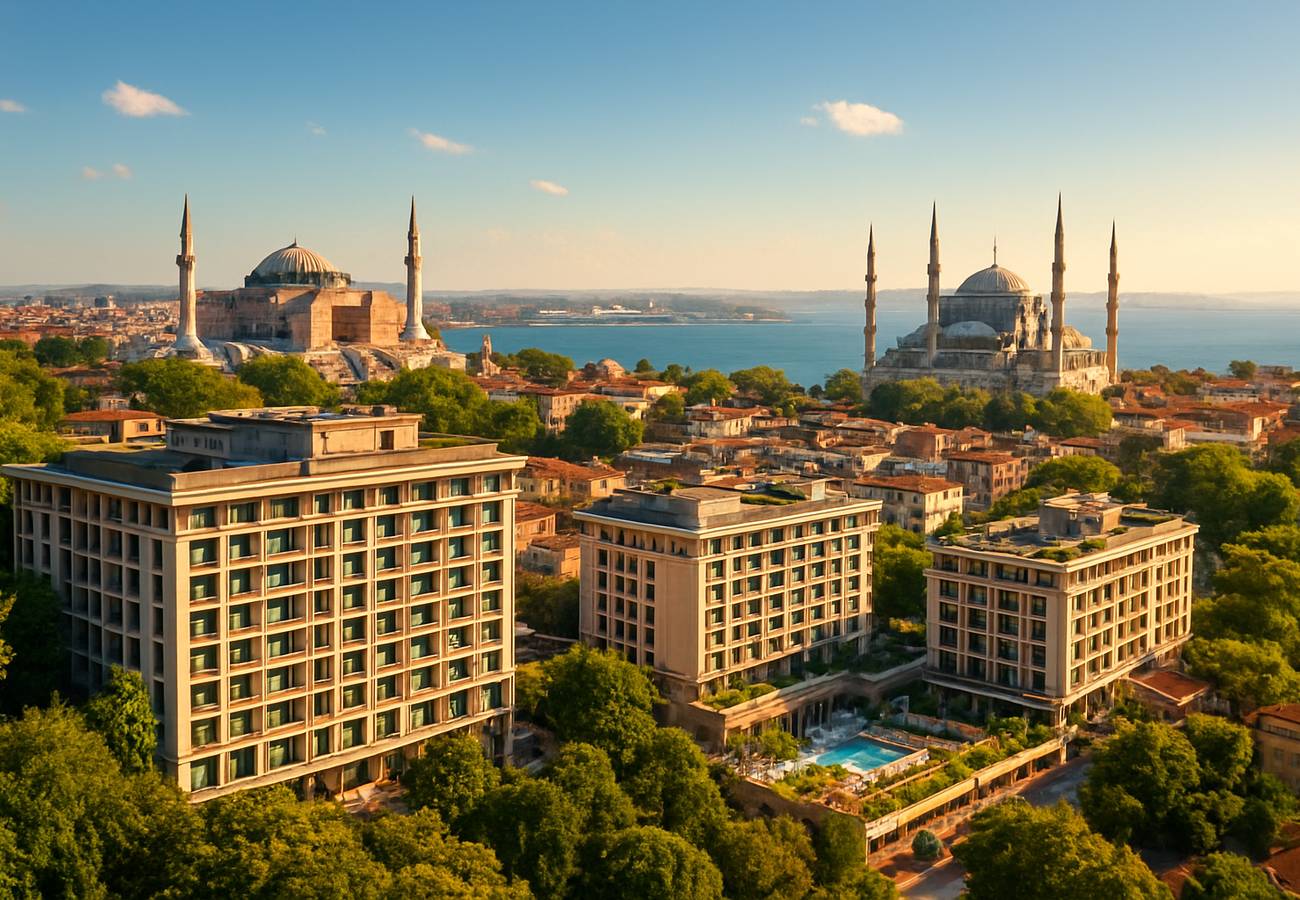
Image generated by AI
Istanbul's Stranglehold on Turkish Tourism
Istanbul is rewriting the tourism playbook for Türkiye in 2026, and the numbers are staggering. In April alone, the city siphoned off 41.72% of all foreign arrivals to the entire country—a concentration so severe that it's forcing the hospitality sector to scramble for solutions. While other Turkish destinations watched visitor traffic flatten, Istanbul kept climbing, welcoming more than 5 million foreign visitors between January and April.
This isn't accidental. The city's position as a bridge between two continents, its unmatched cultural magnetism, and its role as a global business hub are creating perfect conditions for record-breaking tourism. But there's a problem lurking beneath the headlines: the hotels are filling up faster than they can be built.
The Accommodation Crunch Nobody's Talking About
Here's what travel agencies and hotel managers won't tell you directly—Istanbul's hotel inventory is bursting at the seams. While the city boasts extensive accommodation options, peak season occupancy rates regularly exceed 90% in prime districts like Sultanahmet and Galata. Summer 2026 projections suggest the city could welcome 19–20 million international visitors, up from 17.2 million in 2025.
Reddit: "Tried booking a hotel in Istanbul for July at 10 PM on a Tuesday. Everything decent was gone. Ended up paying double in a mediocre area." — r/travel
The math is brutal. Demand is outpacing supply, and travellers who wait until summer often find themselves locked out of prime locations or facing exorbitant last-minute rates. Historic quarters fill first. Boutique properties vanish months in advance. Business districts tighten unpredictably. For travel professionals managing client itineraries, this creates genuine logistical pain.
Enter Safaryar Holidays: The B2B Game-Changer
Safaryar Holidays, a licensed B2B hotel wholesaler and destination management company headquartered in Istanbul, just announced a significant expansion of its contracted hotel room supply across the city. This move targets a specific market gap: travel agencies and tour operators need guaranteed room allotments locked in months ahead, not cross-your-fingers availability on standard booking platforms.
The company operates a dedicated B2B portal that secures negotiated rates and exclusive room blocks directly from partner hotels. When Safaryar expands capacity, it means agencies can confidently package tours, guarantee client accommodations, and avoid the nightmare scenario of overbooking or rate spikes during peak months. This is the infrastructure that keeps the travel industry moving when conventional channels collapse under demand.
For source markets with high outbound demand—the Middle East, Europe, and South Asia especially—this partnership model is essential. Agencies in these regions serve clients who plan trips 6-12 months in advance. Without guaranteed inventory, they can't deliver on promises.
Why This Moment Matters for Istanbul Tourism
Istanbul's tourism isn't confined to summer sunbathing and sightseeing anymore. The city has evolved into a powerhouse for MICE tourism (Meetings, Incentives, Conferences, and Events), medical travel, luxury experiences, and deep cultural immersion. International exhibitions, sports festivals, business conferences, and cultural events keep visitor flows steady year-round, not just during June-August.
This diversification is what separates Istanbul from traditional beach destinations. A conference in March draws business travellers. A spring festival attracts cultural explorers. Summer holidays bring families. Autumn sees luxury travelers and medical tourists. The city's global air connectivity—linking Europe, the Gulf, the Americas, and South Asia—amplifies this diversity.
The Bosphorus waterfront alone generates repeat visits. Hagia Sophia, Topkapi Palace, the Grand Bazaar, and neighbourhoods like Taksim and Karaköy are not one-time experiences. They're magnets that pull people back.
What Travellers Actually Need to Know
Book early. Not "somewhat early." Not "a few months ahead." Months in advance, particularly for summer stays in historic quarters or trendy districts. The old travel advice of "flexibility creates deals" doesn't apply to Istanbul in peak season—it creates heartbreak.
Consider the Asian side. Kadıköy and other districts east of the Bosphorus often maintain better availability and more competitive pricing while retaining the Istanbul experience. You'll discover authentic neighbourhoods many tourists never reach, and you'll actually find a room.
Understand the geography of occupancy. Historic Sultanahmet reaches capacity first because it's the cultural epicentre. Business districts like Levent and Maslak tighten later. Peripheral neighbourhoods offer breathing room. Travel strategically, not just centrally.
Finally, recognize that Istanbul's appeal extends far beyond logistics. The city's culinary scene rivals any European capital. Its contemporary art galleries rival its historic monuments. The energy of its street markets, the serenity of its waterfront, the complexity of its history—these are why Istanbul captures 41% of Turkey's visitors. The hotel shortage is a constraint, not a deterrent.
The Bigger Picture: When Supply Meets Demand
Safaryar's expansion signals something larger: the Turkish hospitality industry recognizes that Istanbul's tourism growth is structural, not cyclical. This isn't a temporary spike. The city's magnetism is generating sustained, year-round demand that conventional inventory management can't handle alone. B2B consolidation, pre-booked allotments, and strategic partnerships are becoming survival mechanisms for travel professionals.
For independent travellers, this means one thing: Istanbul is no longer a spontaneous destination. It's a destination you plan for, book methodically, and approach with logistical precision. The payoff? Access to one of the world's most historically rich, culturally dynamic, and geographically stunning cities—a place where ancient empire meets modern ambition, where Europe and Asia collide, and where every neighbourhood tells a story that predates most countries.
Istanbul in 2026 isn't just a travel destination. It's a capacity challenge wrapped around an irresistible experience.
The city doesn't wait for late bookers—so neither should you.
Related Travel Guides
The 7 Best Lakeside Towns in Northern California: Alpine Sanctuaries for 2026
Disclaimer
This article is for informational and educational purposes only. It does not constitute legal, financial, or professional advice. While we strive to provide accurate and up-to-date information, travel policies, regulations, and conditions change rapidly. Always verify information with official sources before making travel decisions. Nomad Lawyer makes no representations about the accuracy, reliability, completeness, or suitability of the information provided. Readers should consult qualified professionals for advice specific to their circumstances. The views expressed in this article are those of the author and do not necessarily reflect the views of Nomad Lawyer.
Kunal K Choudhary
Co-Founder & Contributor
A passionate traveller and tech enthusiast. Kunal contributes to the vision and growth of Nomad Lawyer, bringing fresh perspectives and driving the community forward.
Learn more about our team →