
Istanbul Transforms Into Year-Round Global Cruise Hub With Massive Winter Expansion
Istanbul targets 150,000 cruise passengers for Winter 2026-27, with Galataport expanding homeport roles and AROYA Cruises driving 143% departure growth.

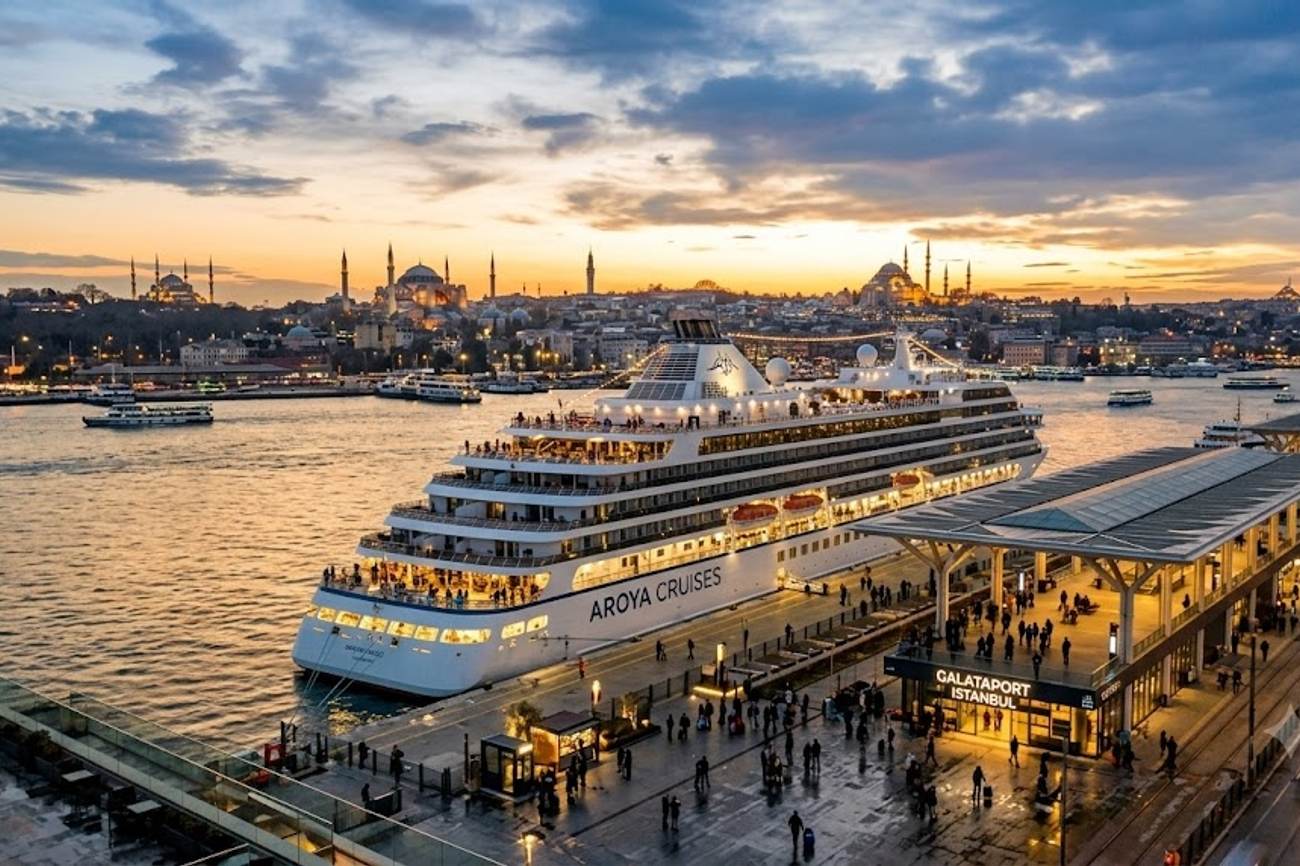
Image generated by AI
Istanbul
[September 5, 2026] — Türkiye is aggressively repositioning itself within the global maritime tourism sector as Istanbul transitions into a year-round homeport. Data indicates a strategic pivot toward winter connectivity, with Galataport Istanbul preparing to manage 51 cruise departures and host approximately 150,000 passengers between November 2026 and April 2027. This surge in off-season activity is expected to provide a critical economic stimulus for local hospitality, transport, and retail sectors that traditionally face seasonal downturns.
Transitioning From Transit Stop To Strategic Homeport
For decades, Istanbul functioned primarily as a high-traffic port of call—a destination where ships dock for a few hours before moving to the next city. However, the current trajectory shows the city evolving into a "homeport," the primary embarkation and disembarkation point for entire voyages.
This structural change is significant for the local economy. Unlike transit passengers, who typically spend limited hours and funds within the city, homeport passengers frequently arrive days early or linger after their cruise. This behavior necessitates a wider array of services, including multi-night hotel stays, airport transfers, and extended sightseeing itineraries. By establishing Istanbul as the starting point of a journey, the city captures a larger share of the traveler's total vacation budget.
The expansion at Galataport Istanbul effectively merges the "city-break" vacation model with the cruise experience. International visitors can now integrate an immersive exploration of Istanbul’s cultural landmarks and historic districts directly into their sailing itinerary, rather than treating the city as a brief excursion.
Massive Growth Projections For Winter 2026-2027
The upcoming winter schedule reveals a sharp escalation in maritime activity. Between November 2026 and April 2027, Galataport Istanbul is slated to handle 51 departures. This represents a dramatic increase from the 21 departures recorded during the same window in the previous year.
Passenger volume is expected to follow a similar upward trajectory. The target of 150,000 passengers marks a steep climb from the 52,000 passengers who traveled through the port during the November 2025 to April 2026 period. This growth suggests that global cruise operators are increasingly confident in Istanbul's viability as a strategic base for winter Mediterranean operations.
| Cruise Indicator | Previous Winter Season | 2026–27 Winter Target |
|---|---|---|
| Cruise departures | 21 | 51 |
| Passenger movements | 52,000 | 150,000 |
| Expected departure growth | — | 143% |
| Expected passenger growth | — | 188% |
| AROYA Cruises departures | — | 26 |
| Expected AROYA passengers | — | 78,000 |
AROYA Cruises Drives Regional Connectivity
A primary catalyst for this expansion is AROYA Cruises, which will utilize Istanbul as its homeport from October 10, 2026, through April 24, 2027. The cruise line is scheduled to conduct 26 departures, contributing approximately 78,000 passengers to the city's total winter volume.
The AROYA itineraries are designed to showcase both Turkish coastal beauty and international landmarks. Key stops include:
- Bodrum and Marmaris: Providing access to the Aegean and Mediterranean coastlines.
- Kuşadası: Serving as the primary gateway to major archaeological sites.
- Alexandria, Egypt: Extending the voyage beyond Turkish borders to add a cross-continental dimension.
This specific routing allows destination managers to encourage "stay-and-cruise" packages. A traveler arriving in Istanbul several days before an AROYA departure is likely to engage with local museums, heritage sites, and the city's renowned culinary scene, further diversifying the economic impact of the cruise industry.
National Trends In Turkish Cruise Tourism
The surge in Istanbul is part of a broader upward trend across all Turkish ports. During the first seven months of 2026, Türkiye recorded a total of 1,070,481 cruise passenger movements and 656 ship calls.
The seasonality of the market remains evident, with monthly passenger numbers climbing from 28,625 in January to a peak of 314,026 in July. However, the composition of these visitors is shifting. Of the total movements in the first seven months of 2026, 878,020 were transit passengers, while 192,461 were homeport passengers.
While transit traffic still dominates the total volume, the growth of the homeport segment is viewed as more strategically valuable due to the increased per-passenger spend and longer duration of stay.
Istanbul Dominates Homeport Activity
Within the national landscape, Istanbul has emerged as the undisputed leader in homeport operations. In the first seven months of 2026, Istanbul recorded 128,908 homeport passenger movements. This far outpaces other key Turkish ports, with Kuşadası recording 28,177 and Çeşme recording 20,844.
While Kuşadası remains a powerhouse for total traffic (largely due to its role as a transit hub for Ephesus), Istanbul's ability to attract passengers who begin their journeys in the city gives it a unique competitive advantage in the Eastern Mediterranean.
Why This Matters: The Shift In Travel Logistics
For the modern traveler, this transition means a fundamental change in how they plan Mediterranean vacations. Previously, a cruise to Türkiye often required flying into a secondary port or joining a ship that had already departed from Italy or Spain. Now, Istanbul is becoming a primary entry point.
From a logistical standpoint, this creates a "hub-and-spoke" model for cruise tourism. Travelers can fly into Istanbul's international airports, spend a week exploring the city, and then sail to Egypt and the Turkish coast without ever needing another flight.
For the local economy, this reduces the "summer peak" volatility. By successfully attracting 150,000 passengers in the winter, Istanbul is insulating its tourism workforce from the traditional off-season slump, creating more stable, year-round employment in the hospitality and service sectors.
Related Travel Guides
Disclaimer
This article is for informational and educational purposes only. It does not constitute legal, financial, or professional advice. While we strive to provide accurate and up-to-date information, travel policies, regulations, and conditions change rapidly. Always verify information with official sources before making travel decisions. Nomad Lawyer makes no representations about the accuracy, reliability, completeness, or suitability of the information provided. Readers should consult qualified professionals for advice specific to their circumstances. The views expressed in this article are those of the author and do not necessarily reflect the views of Nomad Lawyer.
Preeti Gunjan
Contributor & Community Manager
A passionate traveller and community builder. Preeti helps grow the Nomad Lawyer community, fostering engagement and bringing the reader experience to life.
Learn more about our team →