
Israel, UAE, and Saudi Arabia Deploy Tourism Shield Strategies to Restore International Travel by 2027
Middle Eastern nations, including Israel and the UAE, are implementing aggressive tourism protection strategies and aviation recovery plans to rebuild traveler confidence and restore visitor numbers by 2027.

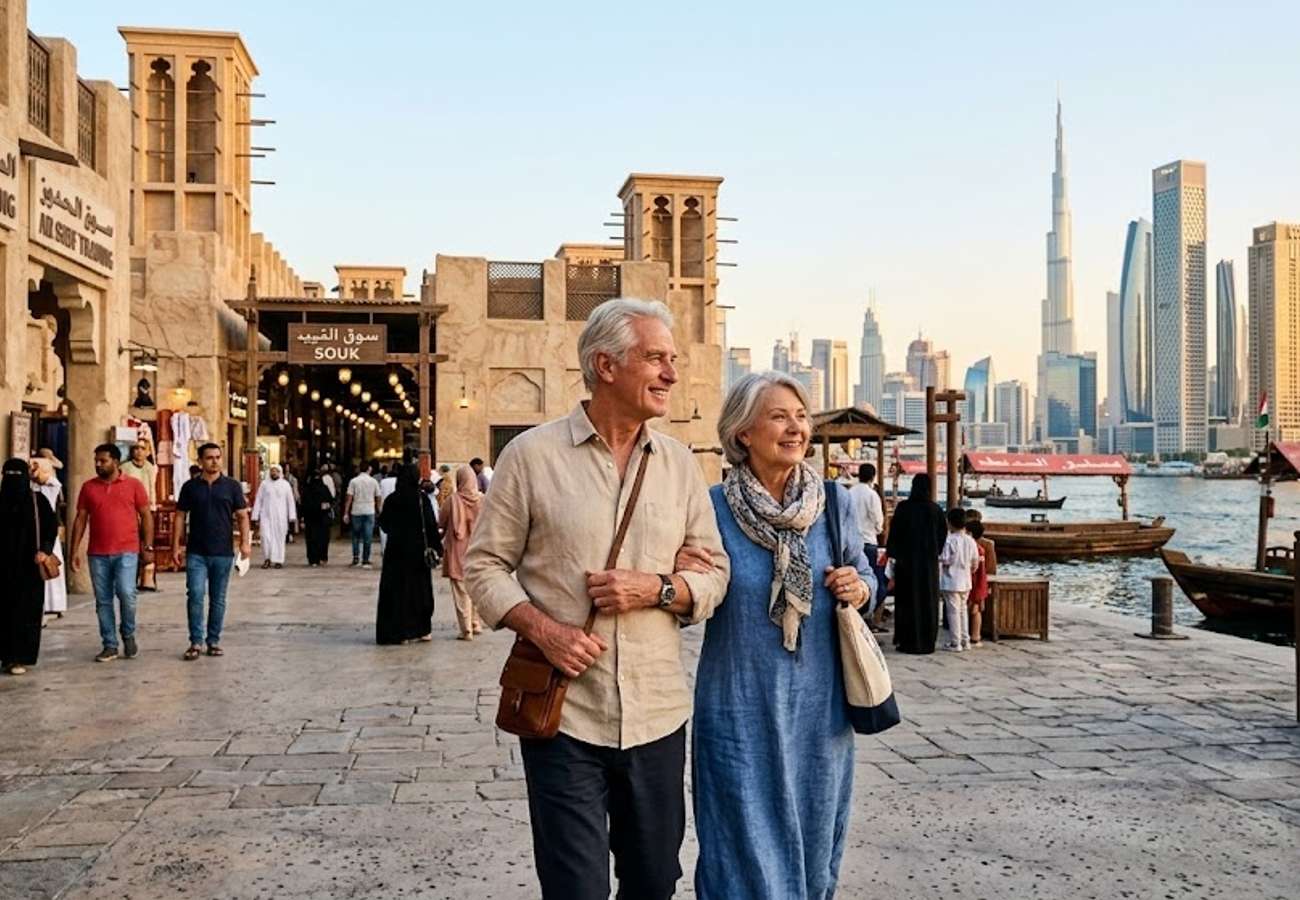
Image generated by AI
Headline Options:
- Factual/News: Israel, UAE, and Saudi Arabia Launch Tourism Shield Strategies to Restore Global Visitor Arrivals and Aviation Links by 2027
- Curiosity-Gap: War-Torn Regions Fight Back: How the Middle East is Using 'Tourism Shields' to Force a Global Travel Comeback
- Problem-Solving: Traveling to the Middle East in 2026? What to Know About New Tourism Incentives and Your Passenger Rights
The Middle East is deploying high-intensity "Tourism Shield" strategies to counteract geopolitical instability. Governments in Israel, the UAE, and Saudi Arabia are now competing to rebuild traveler trust through aggressive incentives and expanded aviation connectivity.
Regional Tourism Disruption and Recovery Analysis
Across the Middle East, tourism has transitioned from a luxury sector to a critical economic lifeline. In response to regional uncertainty and war-related disruptions, several nations have initiated groundbreaking travel initiatives designed to pull visitors back to major hubs including Dubai, Jerusalem, and Tel Aviv.
Our analysis indicates a shift toward "resilience-based tourism," where the focus is no longer just on marketing, but on safeguarding the travel experience through improved safety messaging and streamlined aviation corridors.
Flight and Destination Impact Breakdown
The recovery efforts are segmented by national strategy, with a heavy emphasis on capturing the Indian, European, and Chinese markets.
Israel: The 2027 Recovery Mission
- Primary Goal: Restore Indian tourist arrivals to pre-war levels by 2027.
- Key Hubs: Jerusalem, Tel Aviv, the Dead Sea, and Nazareth.
- Strategic Focus: Shifting the image from purely pilgrimage-based tourism to include food, adventure, and premium hospitality.
- Aviation Priority: Stabilizing flight operations between India and Israel to allow tour operators to resume package bookings.
United Arab Emirates: The Dubai Defense
- Strategy: Utilizing "Visitor Incentives" where residents are encouraged to invite overseas family and friends via benefit-linked programs (hotels, dining, and attractions).
- Key Assets: Burj Khalifa, luxury resorts, and global shopping festivals.
- Market Focus: Maintaining Dubai as a safe, connected hub for business and luxury leisure.
Saudi Arabia: Vision 2030 Integration
- Infrastructure: Massive investment in Red Sea resorts, NEOM, and AlUla heritage sites.
- Sector Growth: Expanding facilities for millions of religious pilgrims in Mecca and Medina.
- Access: Implementing aggressive visa liberalization and airport upgrades to attract European and Asian travelers.
Oman, Qatar, and Jordan: Niche Protection
- Oman: Positioning as a "peaceful" alternative focusing on eco-tourism, Jebel Akhdar mountains, and Musandam coastline.
- Qatar: Leveraging Qatar Airways and Hamad International Airport to drive "stopover tourism."
- Jordan: Protecting heritage sites including Petra, Wadi Rum, and the Dead Sea.
Passenger Rights & Advisory: Navigating Regional Disruptions
For the affected passenger traveling within these zones, the current climate of "recovery" often comes with volatility in flight schedules. Our analysis of aviation policy suggests the following actionable steps for travelers:
1. Rebooking and Cancellations If your flight to Israel or other regional hubs is cancelled due to "geopolitical instability," airlines may attempt to claim "extraordinary circumstances" to avoid paying compensation. However, for the passenger, this means you are still entitled to:
- A full refund of the unused ticket.
- Alternative transport arrangements to your destination at the earliest opportunity.
2. Right to Care Under frameworks similar to EU261/2004 (which many Middle Eastern carriers adhere to for European legs), passengers stranded at hubs like Dubai or Doha are entitled to "Duty of Care." This includes hotel accommodation and meals if the delay extends overnight.
3. Travel Insurance Verification Our analysis indicates that many standard policies have "War Exclusion" clauses. Before booking a trip to Jerusalem or Tel Aviv under the new 2027 recovery schemes, passengers must verify if their policy covers "political evacuation" or "trip interruption" specifically for conflict zones.
4. Visa and Entry Requirements With Saudi Arabia and UAE expanding visa access, travelers should ensure they use official government portals to avoid "visa scams" that often proliferate during rapid tourism expansion phases.
Industry Analyst View
The deployment of "Tourism Shields" represents a desperate but calculated move to decouple tourism from political volatility. By diversifying their appeal—such as Israel moving toward "food and adventure" and Oman focusing on "nature"—these nations are attempting to create a more stable demand floor.
The success of these initiatives depends entirely on aviation stability. If flight operations between India and the Middle East remain erratic, the 2027 targets for Israel and the UAE will likely be missed. The region is no longer just selling a destination; it is selling the concept of safety and reliability.
The Middle East is betting its economic future on the ability to convince the world that its tourist hubs are insulated from its political conflicts.
Related Travel Guides
Disclaimer
This article is for informational and educational purposes only. It does not constitute legal, financial, or professional advice. While we strive to provide accurate and up-to-date information, travel policies, regulations, and conditions change rapidly. Always verify information with official sources before making travel decisions. Nomad Lawyer makes no representations about the accuracy, reliability, completeness, or suitability of the information provided. Readers should consult qualified professionals for advice specific to their circumstances. The views expressed in this article are those of the author and do not necessarily reflect the views of Nomad Lawyer.

Preeti Gunjan
Contributor & Community Manager
A passionate traveller and community builder. Preeti helps grow the Nomad Lawyer community, fostering engagement and bringing the reader experience to life.
Learn more about our team →