
Israel Tourism Rebounds in 2026 as International Visitor Demand Stabilizes
Israel's tourism sector enters a new growth phase in 2026. Explore the latest arrival data, OECD projections, and the economic impact of returning global travel

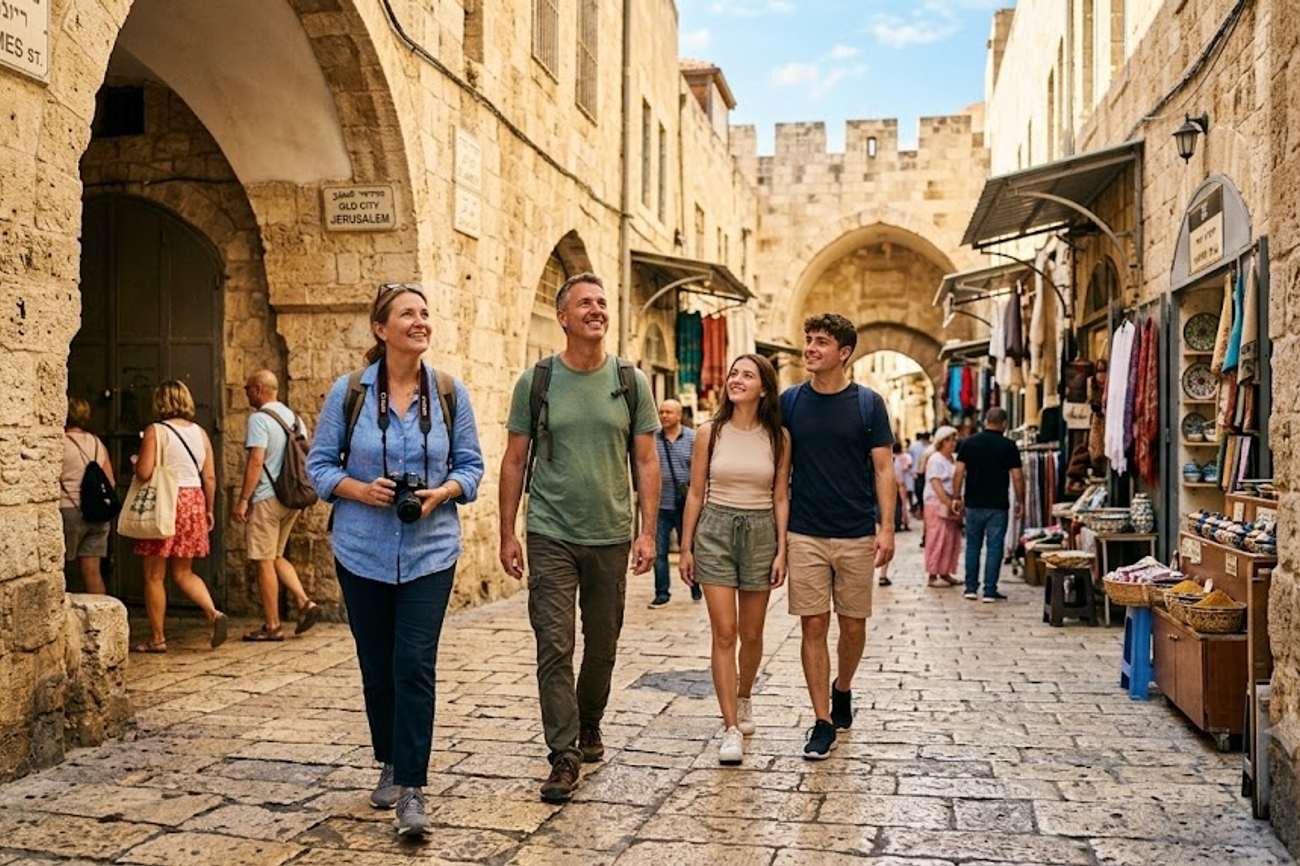
Image generated by AI
International Travel Demand Rebuilds
Israel's tourism sector is transitioning into a strategic recovery phase, characterized by a steady return of international visitors and a concerted effort to regain its status as a premier global destination. While the industry faced severe disruptions in recent years—marked by sharp declines in arrivals and adjusted airline schedules—current indicators point toward a gradual but consistent upward trajectory.
The recovery is not a sudden spike but a structured rebuilding process. This momentum is driven by a combination of restored airline connectivity and a renewed appetite among global travelers for the country's unique blend of religious landmarks, coastal urban centers, and natural wonders.
Strategic Growth Projections and Capacity
The recovery is being measured against historic benchmarks, with 2026 showing fluctuating but improving arrival numbers. The focus has shifted from immediate crisis management to long-term sustainability and competitiveness.
According to the OECD’s Tourism Trends and Policies 2026 report, Israel's current airport capacity can support a significant influx of travelers. The report outlines two primary growth scenarios:
- Near-Term Target: Inbound tourism is projected to reach approximately six million visitors annually by the 2026–2027 period.
- Long-Term Outlook: Under a moderate growth scenario, the sector could expand to support seven million visitors by 2030.
Economic Implications of the Tourism Surge
The return of international travelers triggers a multiplier effect across the Israeli economy, extending far beyond the hospitality sector. The recovery directly impacts a diverse ecosystem of businesses, including transport providers, retail outlets, and local tour operators.
Geographic distribution of this economic impact is concentrated across several key hubs:
- Jerusalem: Remains the primary anchor for global tourism due to its religious and historical significance.
- Tel Aviv: Drives revenue through business events, modern culture, and beach tourism.
- The Dead Sea: Continues to attract the high-value wellness and health-tourism segment.
- The Galilee: Supports nature-based tourism and heritage exploration.
Government Initiatives and Infrastructure Support
The Israeli Ministry of Tourism is coordinating a public-private partnership to ensure the infrastructure can handle increasing demand. The government's strategy focuses on maintaining destination visibility and providing transparent, reliable information to rebuild traveler confidence.
Key pillars of the current government support framework include:
- Infrastructure Development: Enhancing transportation and visitor services to improve the overall guest experience.
- International Marketing: Strengthening the country's brand presence in key global markets.
- Business Support: Providing resources to hotels and tour operators to help them adapt to changing market demands.
Tourism Projections Summary
| Scenario | Projected Annual Visitors | Timeline | Primary Driver |
|---|---|---|---|
| Current Capacity | 6 Million | 2026–2027 | Existing Airport Infrastructure |
| Moderate Growth | 7 Million | By 2030 | Expanded Capacity & Demand |
Key Takeaways
- Gradual Recovery: Israel is seeing a step-by-step return of travelers rather than an overnight surge.
- OECD Benchmarks: Official projections target 6 million visitors by 2026-2027 and 7 million by 2030.
- Diversified Appeal: Growth is spread across religious (Jerusalem), urban (Tel Aviv), and wellness (Dead Sea) sectors.
- Economic Catalyst: Tourism recovery is vital for the survival of local SMEs, from cafes to transport companies.
FAQ
Is Israel's tourism fully recovered to pre-disruption levels? No. While 2026 shows positive momentum and improving arrival numbers, the recovery is described as a gradual rebuilding process and remains below historic peaks.
What are the primary drivers of the 2026 recovery? The recovery is driven by restored airline connectivity, government-backed marketing initiatives, and the enduring global appeal of Israel's heritage and nature sites.
Which regions are benefiting most from the return of tourists? Jerusalem, Tel Aviv, Eilat, the Galilee, and the Dead Sea region remain the primary beneficiaries of increased visitor activity.
Related Travel Guides
Disclaimer
This article is for informational and educational purposes only. It does not constitute legal, financial, or professional advice. While we strive to provide accurate and up-to-date information, travel policies, regulations, and conditions change rapidly. Always verify information with official sources before making travel decisions. Nomad Lawyer makes no representations about the accuracy, reliability, completeness, or suitability of the information provided. Readers should consult qualified professionals for advice specific to their circumstances. The views expressed in this article are those of the author and do not necessarily reflect the views of Nomad Lawyer.
Kunal K Choudhary
Co-Founder & Contributor
A passionate traveller and tech enthusiast. Kunal contributes to the vision and growth of Nomad Lawyer, bringing fresh perspectives and driving the community forward.
Learn more about our team →