
Do Pilots Intentionally Execute Hard Landings? What Aviation Experts Want You to Know
Breaking airline news and aviation industry updates for 2026.

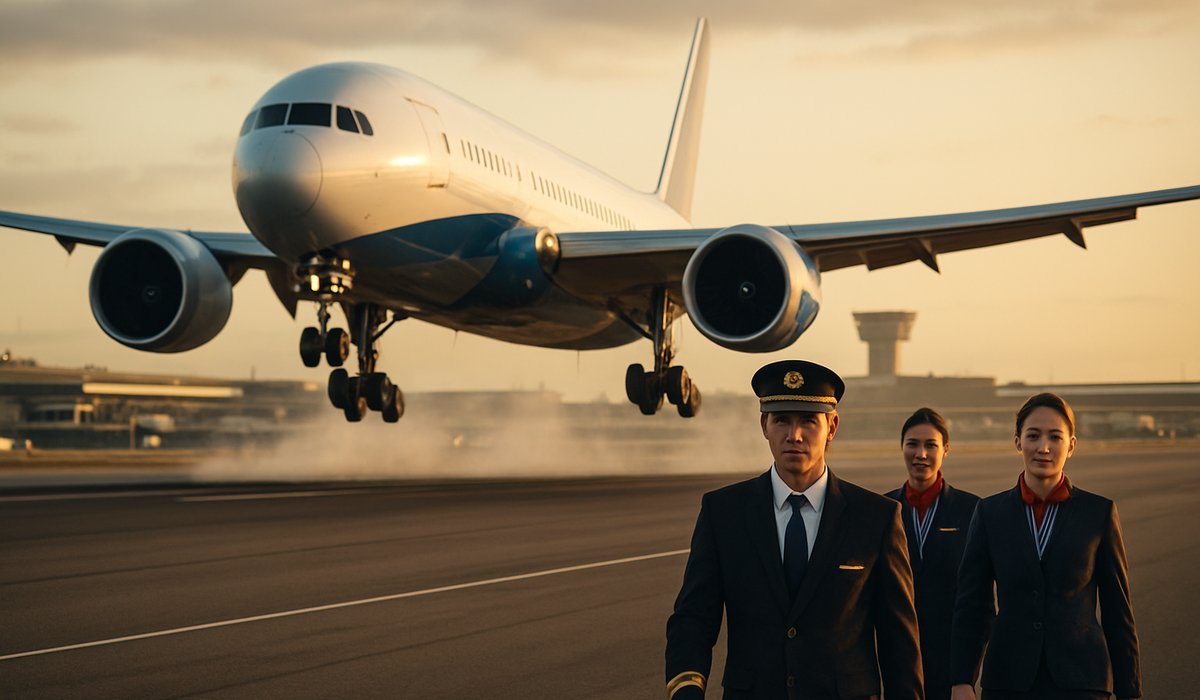
Image generated by AI
Do Pilots Intentionally Execute Hard Landings? What Aviation Experts Want You to Know
Understanding the physics, safety protocols, and operational realities behind aircraft touchdown procedures
The Misconception About "Smooth" Touchdowns
Passengers bracing themselves during landing often wonder whether a pronounced impact signals pilot error or mechanical trouble. The assumption persists that every landing should feel like descending onto a cloud, with any noticeable jolt interpreted as a failure of technique or aircraft performance. However, this widespread belief fundamentally misunderstands how modern aviation operates and the complex factors governing safe touchdown procedures.
Why Harder Landings Occur—And When They're Intentional
Aviation safety experts emphasize that firm landings are not inherently problematic and sometimes represent the safest course of action. Pilots make split-second decisions based on weather conditions, runway surface characteristics, aircraft weight, wind shear, and approach stability—variables that continuously shift during descent.
A deliberate harder landing may actually occur when a pilot determines that a prolonged, gentler approach carries greater risk. Crosswind conditions, microbursts, or an unstable glide path can necessitate a more decisive touchdown to maintain control and ensure the aircraft remains within safe landing parameters. In such scenarios, a firmer contact with the runway is the textbook response, not a deviation from protocol.
The Engineering Reality Behind Aircraft Landings
Modern aircraft are engineered to withstand substantial vertical impact forces. Commercial jets undergo rigorous stress testing far exceeding typical landing loads, and their landing gear absorbs considerable energy by design. Passengers may perceive discomfort during what pilots and engineers would classify as a completely routine touchdown within normal operational boundaries.
The variance in landing feel also depends on runway condition, altitude, atmospheric density, and the aircraft's deceleration rate—none of which passengers observe directly. A landing that feels abrupt to those in economy class may actually represent textbook airmanship to the flight crew.
What Distinguishes a Problem Landing
True emergency or problematic landings are characterized by specific warning signs: emergency services mobilizing on the runway, cabin crew conducting emergency briefings mid-flight, or pilot announcements indicating technical concerns. A firm touchdown without accompanying emergency protocols indicates normal operations, not crisis management.
The Bottom Line for Travelers
Understanding that aviation encompasses deliberate operational decisions—rather than assuming pilot error—provides valuable perspective during your next flight. The next time you experience what feels like a harder landing, recognize it as likely evidence of professional decision-making optimizing safety across multiple variables, not a lapse in technique.
FAQ: Common Questions About Aircraft Landings
Q: How do pilots decide between soft and firm landings? A: Pilots evaluate real-time conditions including wind speed, runway surface, aircraft weight, and approach stability, adjusting landing technique accordingly to maintain safety margins.
Q: Can aircraft landing gear handle hard landings? A: Yes—commercial aircraft undergo extensive engineering testing to withstand impact forces substantially exceeding typical landing loads, with landing gear specifically designed for energy absorption.
Q: When should passengers be concerned about landing procedures? A: Visible emergency response, crew emergency briefings, or pilot announcements regarding technical issues indicate actual concerns; firm touchdowns alone do not suggest problems.
Q: Why do some landings feel smoother than others on the same aircraft? A: Variables including weather, runway conditions, aircraft weight distribution, and deceleration rates vary per flight, affecting how passengers perceive touchdown sensation.
Q: Is a noticeable landing bump a sign of poor pilot training? A: No—professional pilots intentionally adjust landing techniques based on safety requirements, meaning firmer touchdowns sometimes represent superior airmanship.
Related Travel Guides
Disclaimer
This article is for informational and educational purposes only. It does not constitute legal, financial, or professional advice. While we strive to provide accurate and up-to-date information, travel policies, regulations, and conditions change rapidly. Always verify information with official sources before making travel decisions. Nomad Lawyer makes no representations about the accuracy, reliability, completeness, or suitability of the information provided. Readers should consult qualified professionals for advice specific to their circumstances. The views expressed in this article are those of the author and do not necessarily reflect the views of Nomad Lawyer.
Raushan Kumar
Founder & Lead Developer
Full-stack developer with 11+ years of experience and a passionate traveller. Raushan built Nomad Lawyer from the ground up with a vision to create the best travel and law experience on the web.
Learn more about our team →