
US Air Force Pilots Earn Substantially Less Than Commercial Airline Captains—Even at Highest Ranks
Breaking airline news and aviation industry updates for 2026.

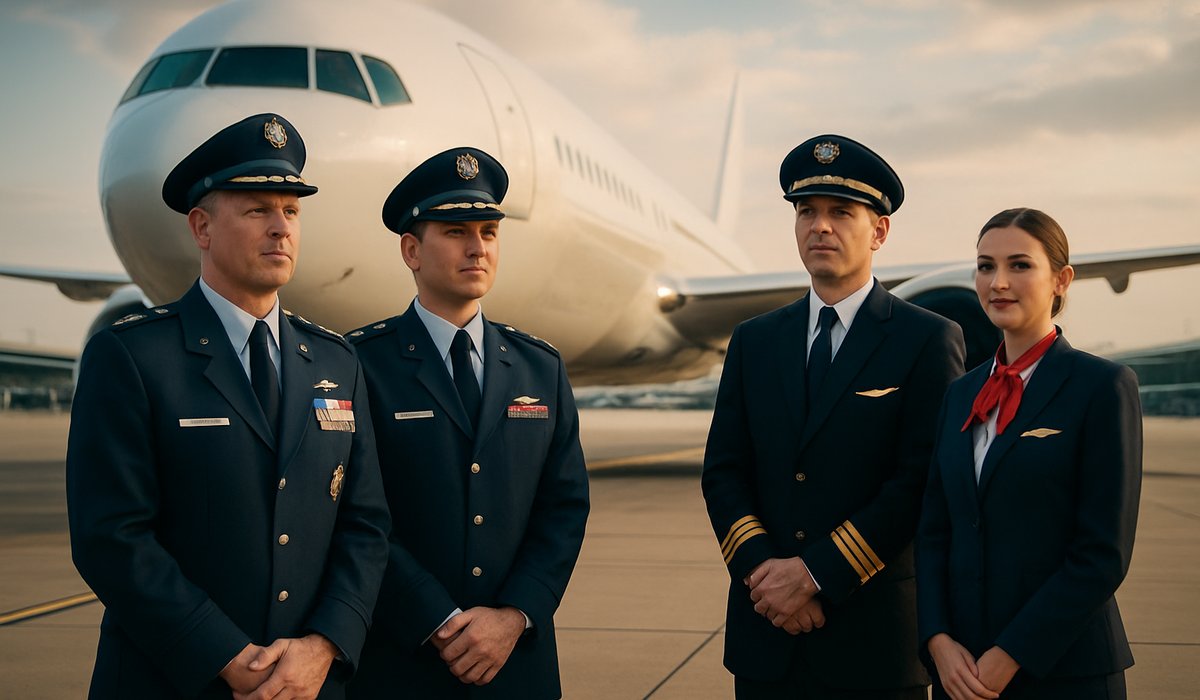
Image generated by AI
US Air Force Pilots Earn Substantially Less Than Commercial Airline Captains—Even at Highest Ranks
Military compensation lags far behind commercial aviation sector despite critical national security role
The Compensation Gap Widens
A stark disparity has emerged in pilot compensation between America's military and commercial aviation sectors: senior United States Air Force officers—including those holding the highest ranks in the organization—earn considerably less than captains flying for major commercial airlines, creating a significant retention challenge for defense leadership.
The numbers paint a striking picture. As of 2026, military basic pay for Air Force officers at the O-7 through O-10 level is capped at approximately $19,000 monthly. This ceiling applies uniformly across the service's senior leadership structure, including the position of Chief of Staff of the Air Force. Even when supplemented with aviation incentive bonuses and officer pay enhancements, total military compensation remains substantially below market rates in the commercial sector.
The Commercial Sector Premium
By contrast, senior captains operating widebody aircraft for major U.S. carriers command annual base salaries ranging from $383,400 to $485,500—a figure that dwarfs military compensation packages. Delta Air Lines, one of the nation's largest carriers, enhances its pilot compensation further with an 18% direct retirement contribution beginning in 2026, effectively amplifying total compensation packages beyond base salary figures.
This compensation structure reflects broader trends in aviation labor markets, where commercial airlines compete aggressively for experienced, qualified pilots in an increasingly tight talent pool. The gap between military and civilian pilot pay has widened as airlines have raised compensation packages in response to pilot shortages and the post-pandemic recovery in international travel demand.
Strategic Implications for Military Readiness
The compensation disparity raises critical questions about military pilot retention and recruitment. The Air Force must maintain a highly trained cadre of pilots for national defense operations, yet the financial incentives increasingly favor transition to commercial aviation careers. Senior officers considering their financial security and retirement planning face a compelling economic argument for pursuing opportunities in the private sector.
Military compensation includes non-monetary benefits—including job security, pension structures, and healthcare provisions—that hold value for career officers. However, these advantages have not historically offset the substantial salary differential that has emerged in recent years.
Industry Context
This situation reflects broader changes in commercial aviation economics. Rising global demand for international travel, recovery from pandemic-related disruptions, and a well-documented pilot shortage have driven commercial carriers to offer increasingly competitive compensation packages to attract and retain experienced flight crews.
FAQ: Military vs. Commercial Pilot Compensation
How much do senior Air Force pilots earn compared to airline captains? Air Force officers at the highest ranks earn approximately $19,000 monthly in basic pay, totaling roughly $228,000 annually—significantly less than airline captains earning $383,400–$485,500 yearly in base salary alone.
What factors contribute to the commercial aviation salary premium? Commercial airlines face acute pilot shortages post-pandemic and compete globally for experienced crews. Delta and competitors offer enhanced benefits including retirement contributions and bonuses that substantially exceed military compensation packages.
Does military compensation include non-salary benefits? Yes, military service includes healthcare, pension systems, and job security; however, these benefits do not financially offset the substantial commercial sector salary advantage.
Why hasn't the Air Force increased pilot compensation to match commercial rates? Military pay structures are congressionally mandated and apply across all service branches, limiting flexibility to adjust compensation for specific career fields like aviation.
What is the impact on military pilot retention? The compensation gap creates retention challenges, as experienced pilots increasingly transition to higher-paying commercial aviation positions, potentially affecting Air Force operational readiness and training pipeline capacity.
Related Travel Guides
- SouthWest Airlines SWA4817 Operated with a Boeing 737-7H4 from Baltimore to Sarasota and Diverted at McCoy Air Force Base, United States: Update Based on Sudden Flight Diversion
- Aviation Updates: Ethiopian Airlines Takes Delivery of First DHC-6 Twin Otter Classic 300-G Turboprop from De Havilland Canada to Unlock Remote East African Communities, Tourist Destinations and Air Ambulance Operations in Historic Fleet Expansion
- UAE Summer Travel Crisis: Airfares Surge 40% as Global Fuel Crisis Slashes Flight Capacity to 60-70%
Disclaimer
This article is for informational and educational purposes only. It does not constitute legal, financial, or professional advice. While we strive to provide accurate and up-to-date information, travel policies, regulations, and conditions change rapidly. Always verify information with official sources before making travel decisions. Nomad Lawyer makes no representations about the accuracy, reliability, completeness, or suitability of the information provided. Readers should consult qualified professionals for advice specific to their circumstances. The views expressed in this article are those of the author and do not necessarily reflect the views of Nomad Lawyer.
Kunal K Choudhary
Co-Founder & Contributor
A passionate traveller and tech enthusiast. Kunal contributes to the vision and growth of Nomad Lawyer, bringing fresh perspectives and driving the community forward.
Learn more about our team →