
Ireland’s Donegal and Sligo Become Adventure Travel Hotspots Through Wild Atlantic Experiences
Ireland’s Donegal and Sligo Become Adventure Travel Hotspots Through Wild Atlantic Experiences

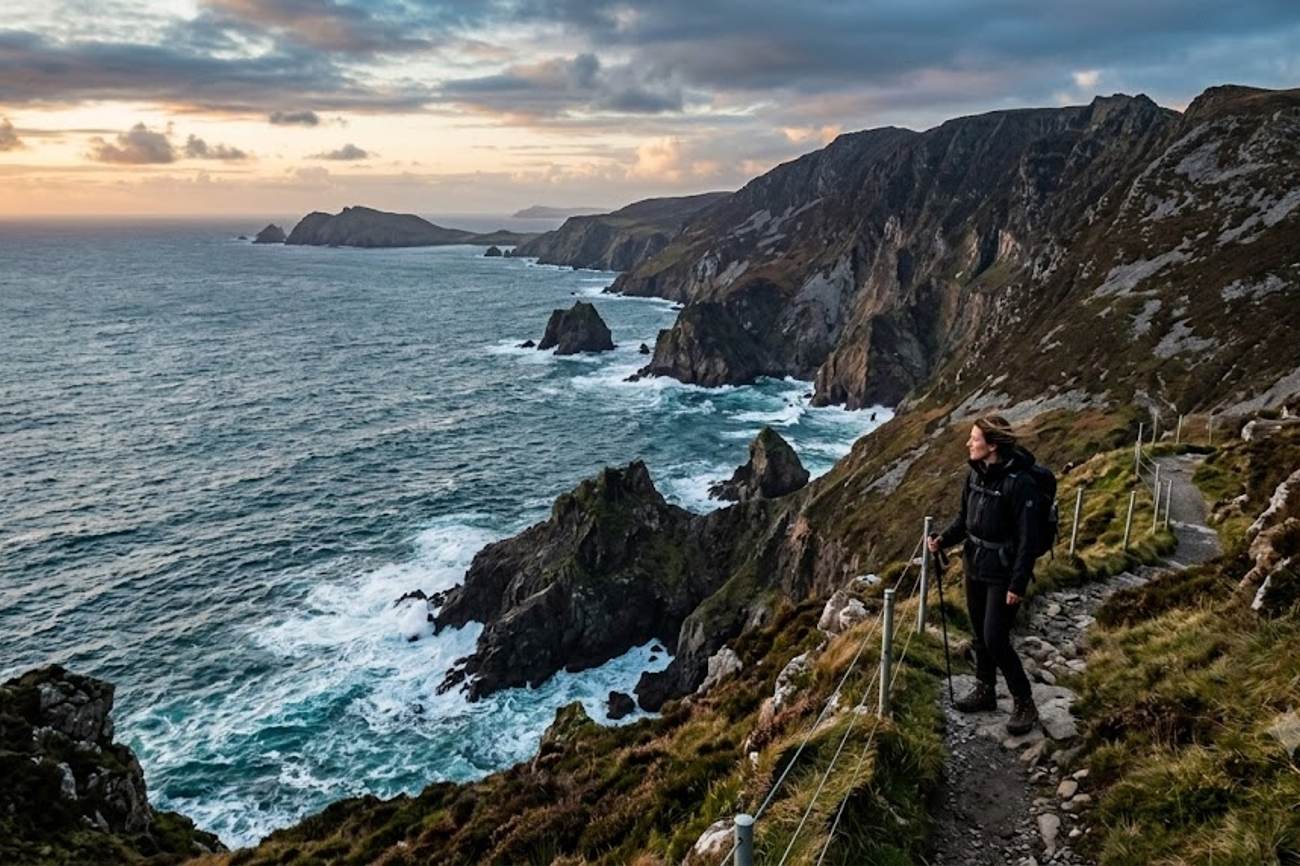
Image generated by AI
2,500 kilometres of coastal touring route now serve as the primary engine for a strategic pivot in Irish tourism, shifting the focus from urban hubs to the rugged northwest. This geographic expansion, centered on the Wild Atlantic Way, represents a calculated move by the Irish government to decentralize visitor traffic and capture a "higher-value" demographic of adventure travelers. By transforming County Donegal and County Sligo from mere transit points into primary adventure bases, Ireland is attempting to solve a chronic imbalance in its tourism economy: the over-saturation of Dublin and the Ring of Kerry versus the under-utilization of the northern Atlantic corridor.
The Northwest Pivot: From Stopovers to Destinations
The current evolution of travel patterns in Ireland indicates a move away from the traditional "city break" model. Instead, international travelers are increasingly prioritizing "experience-led" journeys. This shift is not an accidental trend but a result of a deliberate national strategy to promote sustainable visitor numbers. The goal is to attract tourists who stay longer and spend more deeply within local rural economies, rather than those who engage in rapid-fire sightseeing.
Donegal and Sligo are the primary beneficiaries of this shift. These regions are no longer being marketed as scenic additions to a trip, but as the core of multi-day itineraries. The focus has moved toward specialized segments: hiking, surfing, cycling, and wellness. This transition is supported by the Department of Enterprise, Tourism and Employment, which views regional prosperity as a key metric for the success of the national tourism framework. By diversifying the "product" offered to the global market, Ireland is insulating its tourism sector from the volatility of mass-market trends.
Regional Data Breakdown: Donegal and Sligo
The operational shift in the northwest is characterized by a move toward niche tourism segments. The following data outlines the specific value propositions currently being deployed in the two lead counties.
| Region | Primary Adventure Segment | Key Geographic Assets | Strategic Tourism Value |
|---|---|---|---|
| County Donegal | Remote Exploration | Slieve League, Inishowen Peninsula, Fanad Head | High-value "Slow Travel" and nature tourism |
| County Sligo | Active Sports | Benbulben Mountain, Atlantic Surf Beaches | Youth and adventure market capture |
In Donegal, the strategy emphasizes "Slow Travel," encouraging visitors to spend several days in a single area rather than moving quickly between landmarks. This approach directly supports the government's objective of improving regional distribution. Sligo, conversely, acts as the active hub, leveraging its surfing beaches and mountain landscapes to attract a younger, more athletic demographic. When combined, these two counties create a cohesive regional product that allows tour operators to build comprehensive, multi-day packages that link Donegal, Sligo, and Mayo.
Expert Analysis: The Economics of De-concentration
For the seasoned traveler and the industry professional, this shift reveals a broader regulatory and economic play. Ireland is effectively attempting to "de-concentrate" its tourism assets. When a destination relies too heavily on a few "hotspots," it risks ecological degradation and a decline in visitor satisfaction due to overcrowding. By pushing the "Adventure Gateway" north, Ireland is expanding its carrying capacity without needing to build massive new hotels in already crowded cities.
Ireland's Donegal and Sligo are emerging as premier adventure travel destinations, offering a wide range of Wild Atlantic Experiences that cater to diverse interests and skill levels. For travelers planning to visit these regions, it is essential to check the official Irish Aviation Authority website for information on flight schedules, airport facilities, and travel regulations. By doing so, visitors can ensure a smooth and enjoyable journey to Donegal and Sligo.
For travelers booking routes in the northwest, the direct consequence is a shift in infrastructure. Because these areas are remote, the experience is heavily dependent on transport connectivity and boutique accommodation rather than large-scale hotel chains. The pricing pressure created by this shift will likely favor premium, small-group travel and sustainable, nature-based lodging.
The move toward "higher-value visitors" is a euphemism for increasing the Average Daily Rate (ADR) per tourist. By targeting the adventure and wellness markets—segments that typically possess higher disposable income and a willingness to pay for "authenticity"—Ireland is maximizing revenue while potentially keeping total visitor numbers stable. This is a classic sustainable growth model: increasing the economic yield per head to reduce the environmental footprint per visitor.
Key Takeaways
- Strategic Decentralization: Ireland is actively moving tourism growth away from Dublin and major cities toward the northwest to ensure economic benefits reach rural communities.
- Value over Volume: The national strategy prioritizes "higher-value" visitors who engage in longer stays and specialized activities over mass-market day-trippers.
- Regional Synergy: Donegal (focused on slow travel and remote landscapes) and Sligo (focused on surfing and active hiking) are being integrated into a single, cohesive adventure product.
- Infrastructure Dependency: Future growth in the northwest is contingent upon the success of the national Tourist Accommodation Strategy and improved remote transport links.
- Sustainable Framework: The growth is anchored by the 2,500-kilometre Wild Atlantic Way, utilizing existing natural assets to attract nature-based and cultural tourism.
FAQ: Northwest Ireland Travel 2025
What is the best way to explore the Wild Atlantic Way in the northwest? Given the remote nature of Donegal and Sligo, rental cars or specialized multi-day adventure packages are recommended. The region is designed for "slow travel," meaning itineraries should prioritize depth over distance.
The tourism boards of Donegal and Sligo are working together to promote the Wild Atlantic Way, a 2,500 km scenic route that runs along the west coast of Ireland, offering breathtaking landscapes, outdoor activities, and cultural experiences. For more information on accommodation options, activities, and events in these regions, visitors can visit the official Failte Ireland website, which provides comprehensive insights and travel guides to help plan an unforgettable trip to Ireland's northwest. By exploring the Wild Atlantic Way, travelers can discover the unique charm and natural beauty of Donegal and Sligo.
Is the northwest of Ireland suitable for surfing? Yes, particularly County Sligo. It is recognized as a primary hub for Atlantic surfing, attracting both youth and professional adventure markets due to its consistent wave conditions and dedicated beach infrastructure.
How does the northwest differ from the Ring of Kerry or Dublin? The northwest offers a less congested experience with a focus on rugged landscapes like Slieve League and Benbulben. It is positioned as an alternative for those seeking authenticity and outdoor adventure over urban sightseeing.
What are the primary activities available in County Donegal? Donegal is optimized for coastal hiking, kayaking, and exploring ancient heritage sites. It is particularly suited for travelers interested in nature tourism and protected environments.
The shift toward the northwest isn't just a change in scenery—it is a calculated redesign of the Irish travel economy.
Related Travel Guides
- Scenic Group Expands India Luxury Cruise Market With New Polarverse Partnership For Ocean Journeys
- Japan Airlines Boosts Fleet Future With HAECO Aircraft Maintenance Partnership Extension
- Ireland Follows Netherlands and Others as Powerful New Investment Hotspot Fueling Startup Growth Technology Innovation and Sustainable Business Expansion
Disclaimer
This article is for informational and educational purposes only. It does not constitute legal, financial, or professional advice. While we strive to provide accurate and up-to-date information, travel policies, regulations, and conditions change rapidly. Always verify information with official sources before making travel decisions. Nomad Lawyer makes no representations about the accuracy, reliability, completeness, or suitability of the information provided. Readers should consult qualified professionals for advice specific to their circumstances. The views expressed in this article are those of the author and do not necessarily reflect the views of Nomad Lawyer.
Kunal K Choudhary
Co-Founder & Contributor
A passionate traveller and tech enthusiast. Kunal contributes to the vision and growth of Nomad Lawyer, bringing fresh perspectives and driving the community forward.
Learn more about our team →