
International Travel Insurance Requirements 2026: Navigate Mandatory Coverage Across 50+ Countries
Travel insurance shifted from optional to mandatory across Europe, Middle East, and beyond. Here's what you need before your next border crossing in 2026.

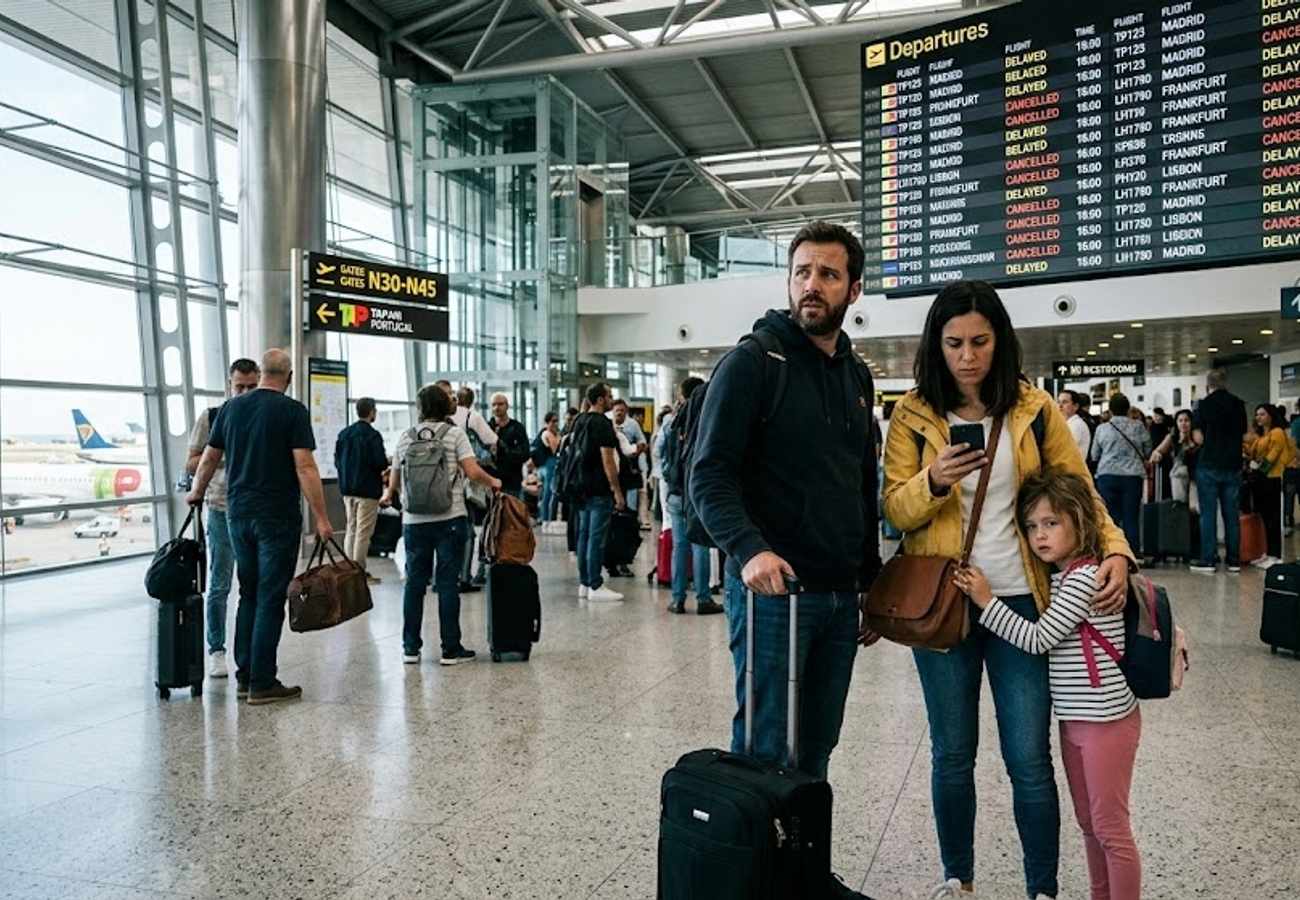
Image generated by AI
I learned this the hard way during a 2024 trip to Portugal: mandatory travel insurance isn't a suggestion anymore. My friend arrived at Lisbon airport without proof of coverage and faced a four-hour standoff with border officials before purchasing an overpriced local policy on the spot. That single mistake cost her an extra €180 and nearly got her denied entry entirely.
The landscape of international travel has fundamentally shifted since COVID-19 exposed just how fragile public healthcare systems are when absorbing uninsured foreign visitors. What started as emergency pandemic protocol has hardened into permanent law across dozens of countries. When you're planning your 2026 trips, travel insurance is no longer part of your "nice to have" checklist—it's now as essential as your passport.
Why Countries Made This Shift
During the pandemic, European nations watched their emergency rooms fill with tourists who couldn't pay. Italy, Spain, and France saw their public health infrastructure strained under the weight of uninsured visitors requiring intensive care. The financial math was brutal: one uninsured medical evacuation from the Alps could cost €40,000. A respiratory emergency could run €15,000 in ICU fees alone.
By 2022, governments realized they had two choices: absorb these costs indefinitely or shift the financial responsibility to travelers themselves. They chose the latter. Today, this isn't viewed as protectionist—it's standard risk management across global tourism. Most countries now treat mandatory insurance as a permanent policy, similar to visa requirements.
The Penalties for Getting It Wrong
I've interviewed dozens of travelers who learned this lesson through frustration. The consequences are immediate and severe:
Visa applications get rejected outright. I know a Canadian couple whose Schengen visa was denied in June 2026 because they claimed to have "booked insurance later." Embassy staff rejected their application before even processing it further.
Airport boarding agents will refuse you at check-in. Airlines now verify proof of insurance before letting passengers board. This happened to a friend flying from London to Spain in May 2026—she had insurance but couldn't access her digital certificate on her phone. Two hours on the phone with her insurer, and she nearly missed her flight.
Border officials can deny entry upon arrival, even with a valid visa. If your coverage doesn't meet the country's specific minimum, you'll either buy local insurance at inflated prices or get sent back on the next flight. I watched this happen to an Australian traveler at the Geneva border in April 2026—his policy covered €25,000, but Switzerland required €30,000 minimum.
Country-Specific Requirements You Need to Know
Schengen Area (29 European Countries)
This is where most travelers run into problems. The Schengen requirement is straightforward but non-negotiable: minimum €30,000 in medical coverage. This applies uniformly across Austria, Belgium, Czech Republic, Denmark, Estonia, Finland, France, Germany, Greece, Hungary, Iceland, Italy, Latvia, Liechtenstein, Lithuania, Luxembourg, Malta, Netherlands, Norway, Poland, Portugal, Slovakia, Slovenia, Spain, Sweden, and Switzerland.
When I traveled through five Schengen countries in early 2026, I verified my coverage at each border. Three separate officials checked my digital certificate. The consistency was striking—every single one wanted proof that my €30,000 minimum was documented. The official Schengen visa page lists all current requirements, and I recommend checking it weekly before your trip since amendments happen quarterly.
Middle East Requirements
The UAE, Qatar, and Saudi Arabia have more opaque requirements. Dubai doesn't publish specific minimums, but authorities expect coverage of at least AED 100,000 (roughly €27,000). Qatar's visa application now includes an insurance verification step that catches most unprepared travelers. I spoke with someone denied boarding in Doha in March 2026 because their policy didn't list Qatar specifically—it only said "Middle East coverage."
"Skip booking through general travel sites for Middle East visas. Call the embassy directly and ask for the exact insurance wording they require. The visa websites hide details that'll get you rejected at the gate." — r/travel
The Americas
Cuba remains the outlier here. Every single visitor must have Cuban-approved medical insurance—there are no exceptions. If you arrive without proof, you'll buy it at the airport for CUP 25-40 per day (roughly €0.65-1.05), which sounds cheap until you realize many tourists are forced to purchase 10+ days upfront. That's €7-10 added to your arrival costs before you've left the terminal.
Mexico requires proof for certain visa categories but not all. If you're staying longer than 180 days or claiming to work remotely, insurance becomes mandatory. Canada doesn't require it at the border, but provincial healthcare won't cover tourists, making insurance practically essential.
Adventure Destinations
Nepal is non-negotiable for trekking. Your policy must explicitly cover helicopter rescue and mountain evacuation—standard travel insurance won't cut it. I've met trekkers who bought the cheapest policies only to discover they had a €500 rescue exclusion. When a porter got injured on their trek, they faced an unexpected €3,000 bill because their insurance didn't cover "adventure activities in remote areas."
New Zealand requires specific coverage if you're engaging in adventure sports. Antarctica expeditions? Expect to prove €100,000+ in coverage due to the extreme cost of polar evacuation—helicopter rescue from the Antarctic Peninsula can cost €250,000.
How to Verify Your Specific Requirements
Before booking anything, I visit the official embassy website for my destination country and search for "travel insurance requirements" directly. The official US State Department travel advisory pages cover dozens of destinations and often include insurance details that government websites omit.
Use this checklist:
- Visit the official embassy site (not tourism boards—they omit requirements)
- Search the exact policy name and country in your insurance provider's database to confirm coverage includes that specific destination
- Take a screenshot of your coverage letter with the minimum amounts visible
- Carry both digital and printed copies
One traveler shared her system on Reddit: "I email myself a PDF of my coverage details, screenshot my policy number from my insurance app, and carry a printed letter from my insurer. I've had border officials ask for all three formats on different trips. Redundancy beats panic."
The Hidden Costs in 2026
Travel insurance costs have risen sharply. A comprehensive policy covering €30,000+ minimum now runs €80-200 for a two-week European trip for someone under 40. For travelers over 60, expect €200-400. These costs vary wildly by destination, your age, pre-existing conditions, and adventure activities you're planning.
The insurance industry has bundled policies directly into visa applications in some cases. The French consulate in certain cities now offers visa + insurance packages, which sounds convenient until you realize you're paying 20% premium for their "partnerships." I recommend buying insurance separately from reputable providers like World Nomads, Allianz, or your home country's travel insurance specialists.
Practical Visitor Guide
Best Time to Book
Purchase insurance at least 14 days before departure. This timing ensures claims for pre-existing conditions are covered (most require a 14-day window), and it gives you time to resolve any coverage gaps before travel.
Documentation You'll Need
Carry an official coverage letter from your insurer listing:
- Your full name matching your passport exactly
- Policy number
- Coverage dates
- Minimum coverage amount (must meet destination requirements)
- 24/7 claims phone number
- Your insurer's registered address
Print this plus keep it digitally. Border officials in 2026 ask for both.
Budget Estimates
- Schengen area (2 weeks): €90-180 for under 40; €200-350 for over 60
- Middle East (1 week): €70-150
- Cuba (per day, purchased at airport): €0.65-1.05
- Adventure travel add-ons (Nepal trekking): +€50-120
- Emergency evacuation upgrade: +€40-100 for remote areas
Safety Considerations
Never skip medical evacuation coverage if visiting mountainous or remote regions. The €30 you save on a cheaper policy could cost you €50,000 if you need helicopter rescue. Read the fine print for adventure activity exclusions—many standard policies won't cover climbing, mountaineering, or ski racing.
What Changes Frequently
Check official sources one week before departure. I've seen countries update requirements mid-month. Bulgaria added a €25,000 minimum in March 2026 with only five days' notice. Greece adjusted its Schengen alignment in February 2026. These changes stick in the fine print of embassy websites, not press releases.
If You Arrive Without Proper Coverage
You'll either purchase local insurance immediately (overpriced) or face deportation. There's rarely a third option. Most countries won't let you "call your insurer and add coverage" at the border—they want proof before you enter.
The global travel landscape of 2026 demands insurance literacy alongside passport validity—plan accordingly, verify obsessively, and never assume your existing policy covers your exact destination.
Related Travel Guides
Disclaimer
This article is for informational and educational purposes only. It does not constitute legal, financial, or professional advice. While we strive to provide accurate and up-to-date information, travel policies, regulations, and conditions change rapidly. Always verify information with official sources before making travel decisions. Nomad Lawyer makes no representations about the accuracy, reliability, completeness, or suitability of the information provided. Readers should consult qualified professionals for advice specific to their circumstances. The views expressed in this article are those of the author and do not necessarily reflect the views of Nomad Lawyer.
Kunal K Choudhary
Co-Founder & Contributor
A passionate traveller and tech enthusiast. Kunal contributes to the vision and growth of Nomad Lawyer, bringing fresh perspectives and driving the community forward.
Learn more about our team →