
How International Soccer Fans are Defying Summer Seasonal Slowdowns Across Southern US States in 2026
International soccer tourism is rewriting the American summer travel playbook, boosting hotel occupancy and spending in Southern states that typically face seasonal declines during peak heat.

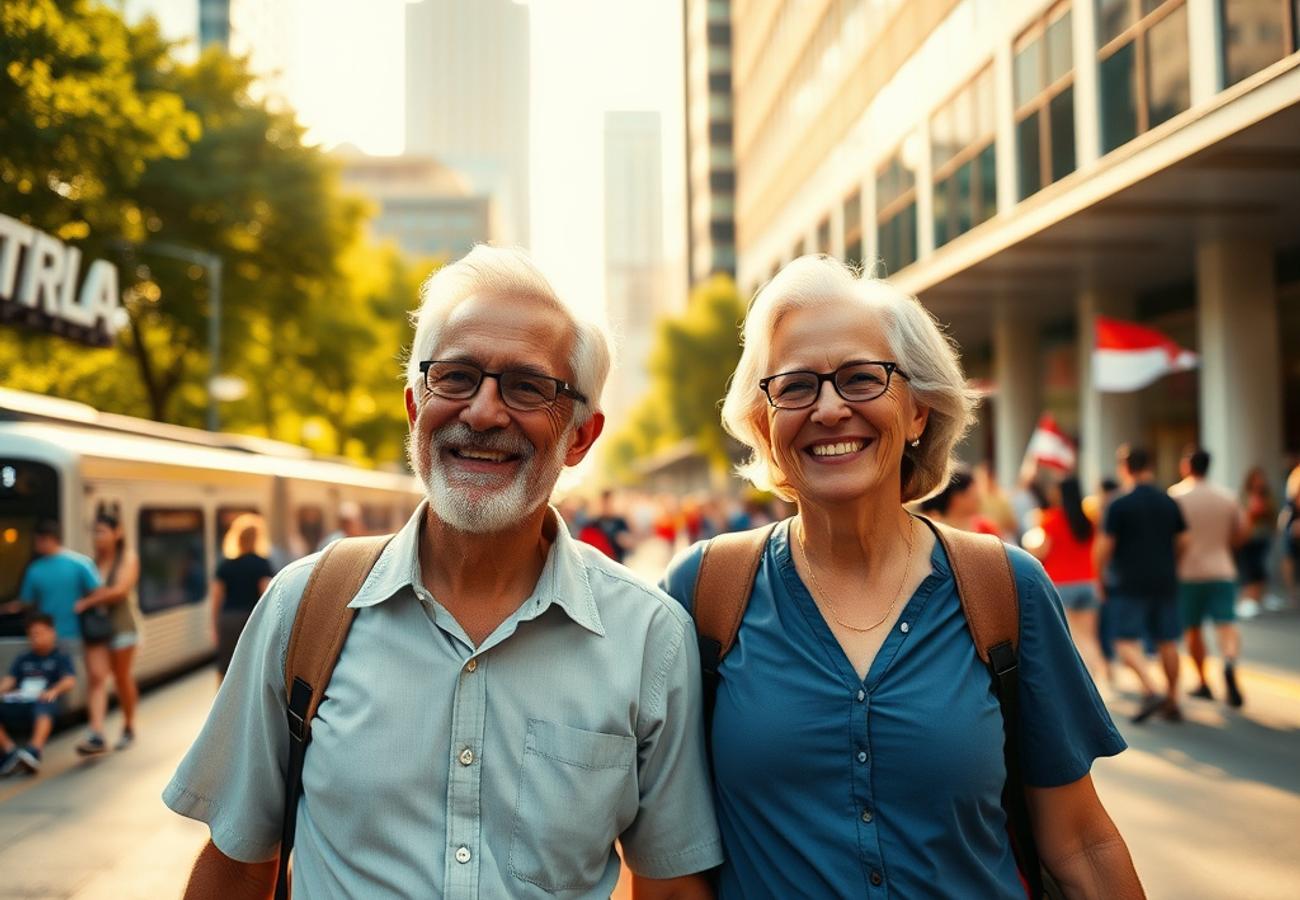
Image generated by AI
International soccer tourism is fundamentally altering the American travel calendar, turning traditionally quiet summer months in the South into high-revenue periods.
The Local Trend Revealed
For decades, the American South has battled a predictable seasonal slump. As temperatures peak in July and August, leisure travelers typically migrate toward cooler northern latitudes or flee the continent entirely. However, 2026 has seen a dramatic reversal of this pattern. The influx of global soccer fans has effectively decoupled tourism demand from weather patterns, replacing the "summer lull" with a surge of international activity.
This shift is most evident in key host hubs including Miami, Dallas, Houston, and Atlanta. Rather than avoiding the humidity and heat, thousands of overseas supporters have converged on these cities. The trend is not limited to matchdays; visitors are utilizing these sporting events as anchors for extended itineraries, transforming a three-day trip into a multi-week exploration of the United States.
The economic ripple effect is substantial. Data indicates that this wave of tourism has stabilized hotel occupancy rates and spiked demand for airlines and local hospitality sectors during windows that historically generated lower activity.
Cultural & Environmental Value (Information Gain)
This surge in sports tourism is providing a critical economic injection into local communities, particularly for small-scale vendors and neighborhood eateries that sit outside the primary "fan zones." By spreading spending beyond the stadiums, international visitors are supporting a broader array of local businesses.
From a sustainability perspective, the trend is encouraging a shift toward multi-city itineraries. Instead of multiple short-haul flights, there is a growing preference for combining sporting events with visits to national parks and cultural centers. This redistribution of travel demand helps prevent "over-tourism" in a few select hotspots by dispersing visitors across a wider geographic area, including New Orleans, Nashville, and various national parks.
To maintain this momentum, local tourism departments and regional conservation bodies are emphasizing the importance of eco-conscious travel, encouraging fans to use expanding metro systems in cities like Washington DC, San Francisco, and Atlanta to reduce the carbon footprint of the tournament surge.
Visitor Insider Tips
For those traveling to the Southern US during the peak summer sports season, navigating the heat and the crowds requires a local strategy:
- The "Siesta" Window: In cities like Miami and Houston, avoid outdoor sightseeing between 12:00 PM and 4:00 PM. Use this time for museum visits or indoor shopping at hubs like The Galleria Houston or Sawgrass Mills.
- Transit Hacks: While rideshares are plentiful, the metro systems in Atlanta and Los Angeles are often faster during match-day traffic. Purchase multi-day passes to avoid queues.
- Hidden Gems: Beyond the stadiums, explore the "Culinary Triangle" of the South. In Atlanta, seek out authentic Southern BBQ in the outskirts rather than the tourist-heavy downtown corridors.
- Hydration Etiquette: In the Southern heat, "water stations" are common at venues, but carrying a reusable insulated bottle is essential. Many local cafes now offer discounts for those bringing their own containers.
Tourism Outlook
The long-term trajectory for US tourism is shifting from seasonal reliance to event-driven stability. The 2026 surge has introduced millions of first-time visitors to the American landscape. This creates a "halo effect" where positive experiences in a city like Dallas or Atlanta lead to repeat visits for family or business purposes in the future.
Destination marketing organizations are now pivoting their strategies to capitalize on this global visibility. By showcasing the diversity of the US—from the Grand Canyon and Yellowstone to the urban energy of New York City and Chicago—the US is positioning itself as a year-round global destination, regardless of the thermometer.
Infrastructure and Access Overview
The scale of this tourism shift is supported by a robust network of gateways and services.
| Category | Key Hubs & Providers |
|---|---|
| Major Gateways | Hartsfield-Jackson Atlanta, JFK (New York), LAX, Miami International, Dallas/Fort Worth, Chicago O’Hare, Orlando International |
| Transport | Amtrak (Intercity), Metro systems (NYC, DC, Chicago, Boston, SF, Atlanta, LA, Miami) |
| Hospitality | Marriott, Hilton, Hyatt, IHG, Wyndham, Choice Hotels, and independent boutiques |
| Retail Hubs | Mall of America, The Galleria Houston, American Dream NJ, The Grove LA, Sawgrass Mills FL |
| Key Attractions | Grand Canyon, Yellowstone, Walt Disney World, Universal Orlando, Statue of Liberty, National Mall |
The 2026 soccer phenomenon proves that passion for the game can override the most oppressive summer heat, turning the American South into a global summer sanctuary.
Related Travel Guides
Disclaimer
This article is for informational and educational purposes only. It does not constitute legal, financial, or professional advice. While we strive to provide accurate and up-to-date information, travel policies, regulations, and conditions change rapidly. Always verify information with official sources before making travel decisions. Nomad Lawyer makes no representations about the accuracy, reliability, completeness, or suitability of the information provided. Readers should consult qualified professionals for advice specific to their circumstances. The views expressed in this article are those of the author and do not necessarily reflect the views of Nomad Lawyer.
Raushan Kumar
Founder & Lead Developer
Full-stack developer with 11+ years of experience and a passionate traveller. Raushan built Nomad Lawyer from the ground up with a vision to create the best travel and law experience on the web.
Learn more about our team →