
Indonesia Mountain Tourism 2026: High-Altitude Trekking Hubs in Malang, Lombok and Sumatra
Indonesia is emerging as a global trekking hotspot in 2026, with cities like Malang and Senaru driving a surge in high-altitude volcanic tourism and cultural expeditions.

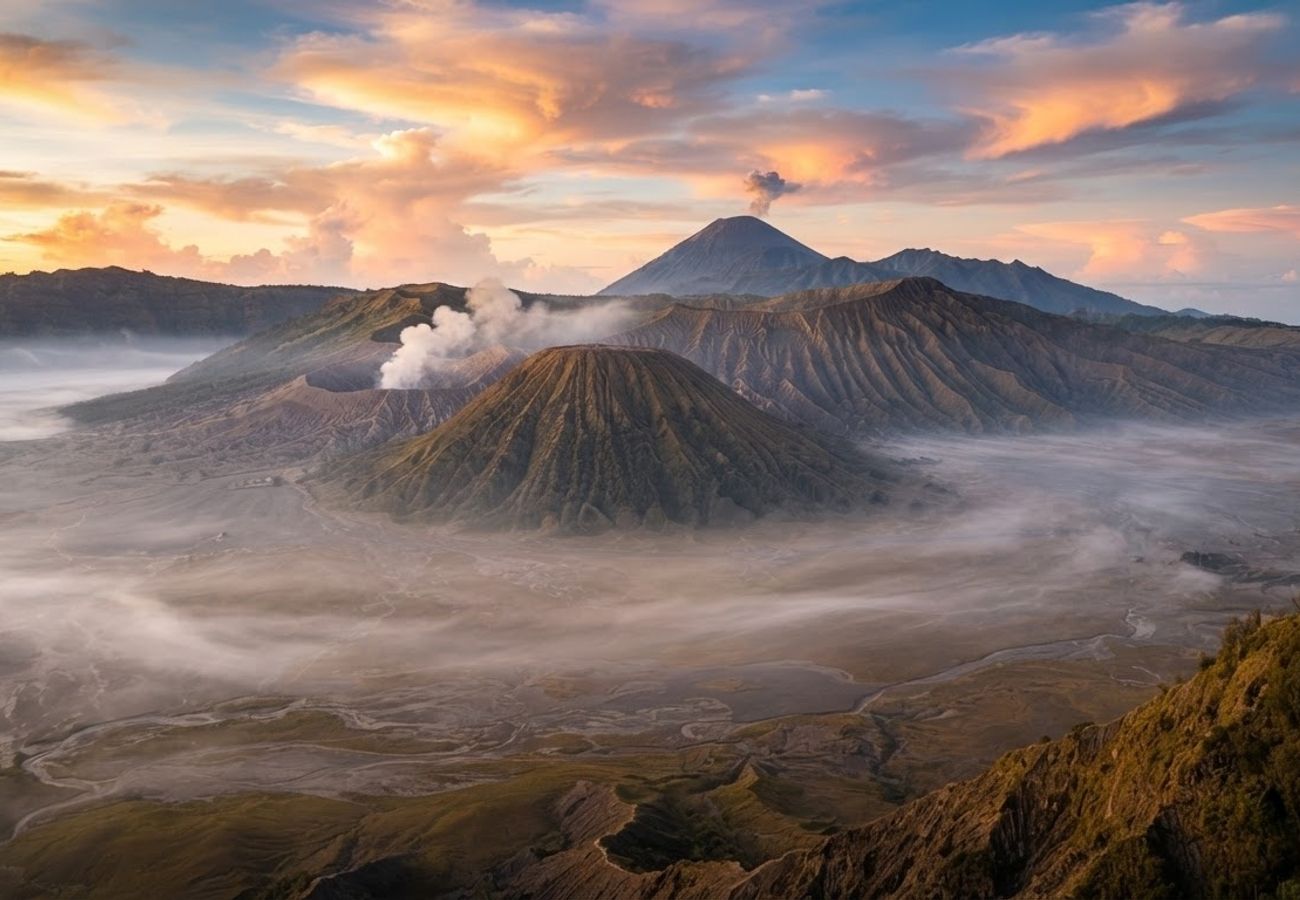
Image generated by AI
Indonesia is pivoting toward high-altitude adventure tourism in 2026, transforming regional gateways into international hubs for volcanic trekking and cultural exploration.
The shift marks a departure from traditional beach-centric tourism. Travelers are now prioritizing "endurance tourism," focusing on the nation's volcanic peaks, dense rainforests, and indigenous highland cultures. From the remote ridges of Papua to the sacred slopes of Bali, Indonesia is positioning its mountain cities as primary entry points for a new demographic of adventure seekers.
The Rise of Volcanic Gateways
The growth of this sector is centered on specific "gateway cities" that provide the logistics, guides, and transport necessary to access high-altitude environments. In East Java, Malang and Surabaya have become the operational bases for expeditions into the Bromo Tengger Semeru National Park.
While Mount Bromo remains a primary draw for first-time volcano trekkers due to its accessibility and the iconic "Sea of Sand," Mount Semeru offers a more rigorous challenge for experienced climbers.
In Lombok, the villages of Senaru and Sembalun have evolved into sophisticated trekking hubs. These locations manage the flow of climbers ascending Mount Rinjani, emphasizing a blend of physical endurance and Sasak cultural heritage.
High-Altitude Trekking Hubs and Peak Data 2026
The following data outlines the primary mountain gateways and the specific experiences they facilitate for the 2026 travel season.
| City / Mountain Gateway | Province / Island | Famous Mountain & Elevation | Experience Type | Scenic Highlights | Best For |
|---|---|---|---|---|---|
| Senaru & Sembalun | Lombok | Mount Rinjani (3,726 m) | Volcanic trekking, crater expeditions | Segara Anak crater lake, sunrise summits | Experienced trekkers |
| Malang | East Java | Mount Semeru (3,676 m); Bromo (2,329 m) | Volcano trekking, national park hikes | Bromo caldera, Sea of Sand | Photographers, first-timers |
| Surabaya | East Java | Gateway to Bromo & Semeru | Adventure base city | Volcanic plateaus, sunrise views | International visitors |
| Bandung | West Java | Mt Gede-Pangrango (3,019 m); Ciremai (3,078 m) | Forest trekking, nature trails | Cloud forests, waterfalls | Eco-tourists, nature lovers |
| Yogyakarta | Central Java | Mount Merapi (2,968 m) | Volcano climbing, cultural journeys | Lava trails, volcanic landscapes | Culture & adventure seekers |
| Magelang | Central Java | Mount Merbabu (3,145 m) | Scenic highland hiking | Grasslands, volcanic ridges | Scenic hikers |
| Kerinci / Sungai Penuh | Sumatra | Mount Kerinci (3,805 m) | Highest volcano climb, rainforest trekking | Tropical rainforest, summit views | Serious climbers |
| Makassar / Enrekang | South Sulawesi | Mount Latimojong (3,478 m) | Remote highland trekking | Rugged ridges, traditional villages | Off-the-beaten-path travelers |
| Bali Highlands | Bali | Mount Agung (3,031 m) | Sacred mountain climbing | Island panoramas, volcanic slopes | Culture-focused climbers |
| Wonosobo / Dieng | Central Java | Mount Prau (~2,565 m) | Beginner-friendly trekking | Golden sunrise, volcanic lakes | Families, beginner hikers |
| Papua Gateway | Papua | Puncak Jaya (4,884 m) | Extreme mountaineering | Alpine environments, remote valleys | Elite expedition climbers |
The Intersection of Culture and Altitude
Our analysis of the current trend indicates that the 2026 surge is not merely about the physical climb but about "cultural immersion." Indonesian peaks are rarely just geological features; they are spiritual anchors for local populations.
- Lombok: The Sasak people maintain sacred beliefs regarding Mount Rinjani, integrating pilgrimage traditions into the trekking experience.
- East Java: The Tenggerese culture is central to the Bromo experience, specifically the Yadnya Kasada ceremony.
- Bali: Mount Agung serves as a primary religious symbol for Balinese Hindus, making the climb as much a spiritual journey as a physical one.
- Sumatra: In the Kerinci Seblat National Park, the climb is inextricably linked to the indigenous forest connections of the region.
Why This Matters: Industry Implication
From a logistical perspective, the rise of these mountain gateways signals a decentralization of Indonesian tourism. For years, the industry was heavily weighted toward Bali's coastlines. The 2026 trend shows a strategic move toward the interior and the outer islands.
For travel operators, this means a shift in infrastructure requirements. We are seeing a growing demand for specialized high-altitude gear rentals, certified mountain guides, and "basecamp" hospitality in cities like Malang and Wonosobo. Furthermore, the inclusion of Puncak Jaya (4,884 m) targets the elite mountaineering market, moving Indonesia into competition with traditional alpine destinations in South America or Central Asia.
The real impact for the traveler is a transition from "sightseeing" to "experiencing." The demand for "meaningful journeys"—where the landscape, local community, and ancient beliefs intersect—is driving higher spending on guided, sustainable, and culturally respectful tours.
Forward Outlook
Expect further infrastructure development in the "gateway cities" to accommodate the influx of international adventure tourists. We anticipate a rise in eco-certified lodges and a tighter integration of indigenous guides into the formal tourism economy to prevent the "over-tourism" seen in coastal regions. The focus will likely shift toward "low-impact, high-value" trekking to preserve the fragile volcanic ecosystems of Rinjani and Kerinci.
The ascent of Indonesian mountain tourism reflects a broader global shift toward challenging, nature-centric travel.
Related Travel Guides
Disclaimer
This article is for informational and educational purposes only. It does not constitute legal, financial, or professional advice. While we strive to provide accurate and up-to-date information, travel policies, regulations, and conditions change rapidly. Always verify information with official sources before making travel decisions. Nomad Lawyer makes no representations about the accuracy, reliability, completeness, or suitability of the information provided. Readers should consult qualified professionals for advice specific to their circumstances. The views expressed in this article are those of the author and do not necessarily reflect the views of Nomad Lawyer.
Kunal K Choudhary
Co-Founder & Contributor
A passionate traveller and tech enthusiast. Kunal contributes to the vision and growth of Nomad Lawyer, bringing fresh perspectives and driving the community forward.
Learn more about our team →