
Indonesia Flores Magnitude 5.9 Earthquake Hits Region Following Deadly Major Quake in 2026
A magnitude 5.9 shallow earthquake has struck Indonesia's Flores region, compounding recovery efforts and destabilizing travel confidence following a previous deadly seismic event.

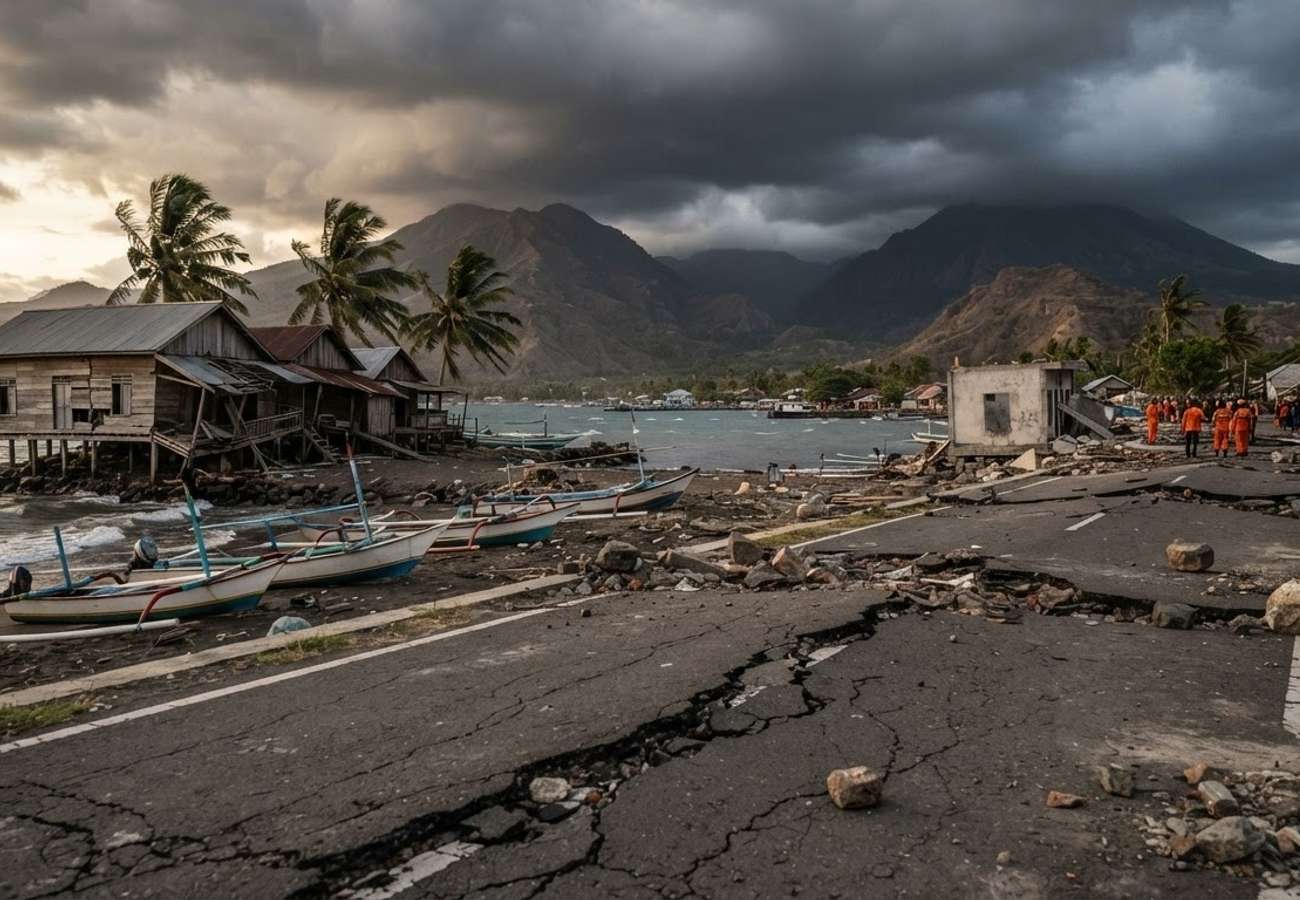
Image generated by AI
A magnitude 5.9 shallow earthquake has struck Indonesia's Flores region, compounding recovery efforts and destabilizing travel confidence following a previous deadly seismic event.
The Flores region of Indonesia has been hit by a second significant seismic event, with a magnitude 5.9 tremor shaking the area. This follows a prior major earthquake that resulted in multiple fatalities and fundamentally altered the local landscape. The latest activity has heightened anxiety for residents, emergency response teams, and international tourists currently in the region.
The tremor occurred at a shallow depth of approximately 10 kilometres. In seismic terms, shallow earthquakes typically result in more intense ground shaking at the surface, increasing the risk of structural damage and landslides in rugged terrain.
Seismic Event Specifications
- Magnitude: 5.9
- Depth: 10 kilometres (Shallow)
- Location: Flores Region, Indonesia
- Context: Follow-up to a previous deadly major quake and tsunami event
Impact on Infrastructure and Local Communities
The timing of this tremor is particularly disruptive. Local communities were already engaged in emergency recovery following the initial major disaster. The repeated seismic activity has created a cycle of instability, making it difficult for emergency teams to restore normalcy.
Our analysis of the regional geography indicates that Flores' combination of coastal settlements and mountainous landscapes creates specific vulnerabilities. Shallow tremors in these areas frequently trigger landslides and compromise road networks, which can isolate remote communities and hinder the delivery of aid.
Tourism and Travel Stability
Flores has seen a surge in popularity among travelers seeking cultural discovery and natural landscapes. However, the tourism sector is highly sensitive to seismic instability.
The current situation presents several immediate challenges for the travel industry:
- Visitor Hesitation: Potential travelers are reconsidering bookings due to uncertainty regarding transport access and safety.
- Operational Strain: Local hotels, restaurants, and tour operators are facing a decline in confidence.
- Information Gap: There is an urgent need for clear, real-time safety updates to prevent a total collapse in travel demand.
Geological Context: The Pacific Ring of Fire
The instability in Flores is a direct result of Indonesia's position on the Pacific Ring of Fire. The constant movement of tectonic plates in this zone makes seismic activity and volcanic eruptions a recurring reality. For the East Nusa Tenggara region, this means that disaster preparedness is not optional but a requirement for sustainable development.
Current Priority Actions
Authorities and emergency responders are currently focusing on five critical pillars:
- Continuous Monitoring: Tracking aftershocks and new seismic shifts.
- Infrastructure Audit: Checking the integrity of roads and bridges.
- Community Support: Providing aid to those displaced by the initial and subsequent quakes.
- Communication: Disseminating safety protocols to residents and visitors.
- Visitor Protection: Ensuring tourists have clear evacuation and safety routes.
Guidance for Travelers
Anyone planning a visit to Flores should prioritize the following:
- Verify Transport: Confirm that flights and ferry services are operational.
- Check Accommodations: Ensure hotels have conducted safety checks following the 5.9 magnitude event.
- Monitor Official Channels: Rely on government safety guidance rather than unofficial reports.
The resilience of the Flores community remains the primary driver for the region's eventual tourism recovery.
Related Travel Guides
Disclaimer
This article is for informational and educational purposes only. It does not constitute legal, financial, or professional advice. While we strive to provide accurate and up-to-date information, travel policies, regulations, and conditions change rapidly. Always verify information with official sources before making travel decisions. Nomad Lawyer makes no representations about the accuracy, reliability, completeness, or suitability of the information provided. Readers should consult qualified professionals for advice specific to their circumstances. The views expressed in this article are those of the author and do not necessarily reflect the views of Nomad Lawyer.
Preeti Gunjan
Contributor & Community Manager
A passionate traveller and community builder. Preeti helps grow the Nomad Lawyer community, fostering engagement and bringing the reader experience to life.
Learn more about our team →