
Indonesia AirAsia Suspends Daily Flights to High-Value Global Destination Corridor
A strategic shift in network priorities has led Indonesia AirAsia to halt daily operations on a key international corrid

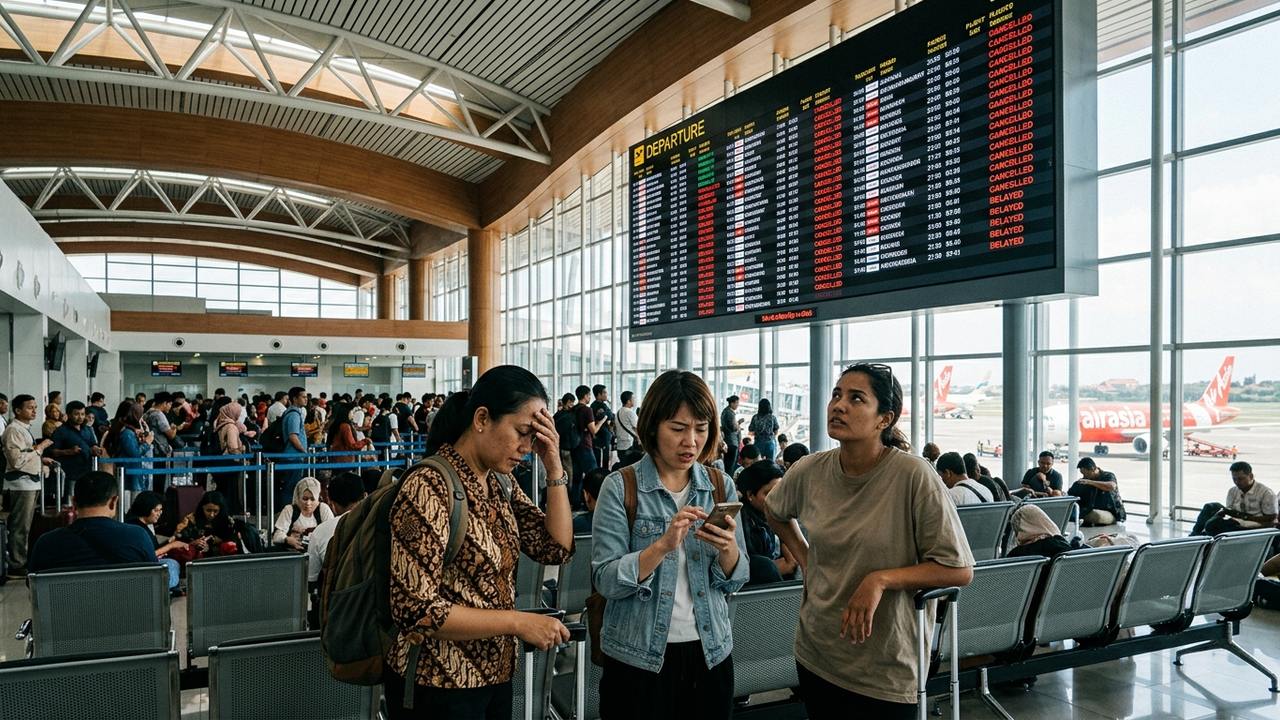
Image generated by AI
Strategic Route Suspension Impacts Regional Connectivity
Indonesia AirAsia has confirmed the suspension of its daily flight operations connecting Indonesia with the world’s second-richest country. This decision marks a significant pivot in the carrier's international scheduling and has triggered discussions across the aviation sector regarding shifting demand trends in the Asia-Pacific region.
The move is part of a wider operational recalibration. Airlines across Southeast Asia are currently reviewing flight frequencies, fleet utilization, and market performance to ensure long-term commercial viability.
The suspended service operated within a high-value corridor catering to both premium business travelers and luxury leisure markets. Its removal creates a notable gap in direct connectivity between these two economically significant regions.
Demand Rebalancing and Network Optimization
The suspension is driven by a broader strategy to optimize the airline's network. Indonesia AirAsia, like many regional peers, is evaluating passenger load factors and yield performance to combat fluctuating international demand.
While the route initially showed promise with daily frequencies, several factors contributed to the reassessment:
- Shifting Travel Patterns: Changes in how passengers book and travel internationally.
- Seasonal Volatility: Fluctuations in demand that make daily operations unsustainable.
- Competitive Pressure: Increased capacity from full-service carriers and other low-cost operators leading to yield compression.
By redirecting capacity toward more financially sustainable routes, the airline aims to maintain the strict cost-control frameworks essential for low-cost carrier (LCC) operations.
Passenger and Tourism Implications
The loss of daily direct connectivity is expected to disrupt travel flows. Passengers who relied on these consistent schedules must now consider alternative carriers or accept the inconvenience of transit through regional hubs.
The impact extends beyond individual travelers to the broader economic ecosystem:
- Tourism Flow: Short-term leisure travel may decline due to reduced convenience.
- Corporate Travel: Business mobility between the two markets may slow as predictable scheduling disappears.
- Industry Ripple Effects: Travel agents and booking platforms face immediate challenges in itinerary recalibration.
Despite these disruptions, aviation analysts suggest that such suspensions are often dynamic. Routes are frequently reinstated once market conditions stabilize or seasonal peaks return.
Fleet Efficiency and Operational Pressures
This network adjustment is also a response to external economic pressures. The airline is prioritizing fleet efficiency to protect margins against rising operational costs.
Key drivers for this reallocation include:
- Fuel and Airport Costs: Fluctuating jet fuel prices and high airport landing charges.
- Slot Constraints: Limited availability of takeoff and landing slots at major international hubs.
- Resource Allocation: Shifting aircraft to higher-performing domestic or regional routes to improve overall load balancing.
Summary of Service Change
| Feature | Detail |
|---|---|
| Airline | Indonesia AirAsia |
| Route Type | International Daily Service |
| Destination Profile | World's Second Richest Country |
| Action | Sudden Suspension of Daily Flights |
| Primary Driver | Network Optimization & Demand Rebalancing |
| Strategic Goal | Operational Efficiency & Yield Improvement |
Key Takeaways
- Network Pivot: Indonesia AirAsia is prioritizing profitability over frequency by cutting a high-value daily route.
- Market Volatility: The move reflects a wider trend in Asia-Pacific aviation where carriers are rapidly adjusting capacity to match demand elasticity.
- Operational Logic: Resources are being shifted toward routes with higher financial sustainability and better load factors.
- Temporary vs. Permanent: While connectivity is reduced now, the suspension may be a tactical pause rather than a permanent exit.
FAQ
Why did Indonesia AirAsia suspend these flights? The airline is optimizing its network to improve yield and operational efficiency, moving aircraft to routes with stronger financial performance.
How does this affect travelers? Passengers will lose direct daily access and may need to use indirect routes or alternative airlines, potentially increasing travel time and cost.
Is this a permanent change? Not necessarily. Aviation analysts note that routes are often reinstated when seasonal demand peaks or market conditions improve.
Related Travel Guides
Disclaimer
This article is for informational and educational purposes only. It does not constitute legal, financial, or professional advice. While we strive to provide accurate and up-to-date information, travel policies, regulations, and conditions change rapidly. Always verify information with official sources before making travel decisions. Nomad Lawyer makes no representations about the accuracy, reliability, completeness, or suitability of the information provided. Readers should consult qualified professionals for advice specific to their circumstances. The views expressed in this article are those of the author and do not necessarily reflect the views of Nomad Lawyer.
Kunal K Choudhary
Co-Founder & Contributor
A passionate traveller and tech enthusiast. Kunal contributes to the vision and growth of Nomad Lawyer, bringing fresh perspectives and driving the community forward.
Learn more about our team →