
India Hilton Hotels Expand Aggressively With 125-Property Midscale Deal
Hilton commits to 125 new midscale hotels across India in 2026, targeting rapid middle-class travel growth. The landmark deal signals major expansion confidence in India's emerging hospitality market.

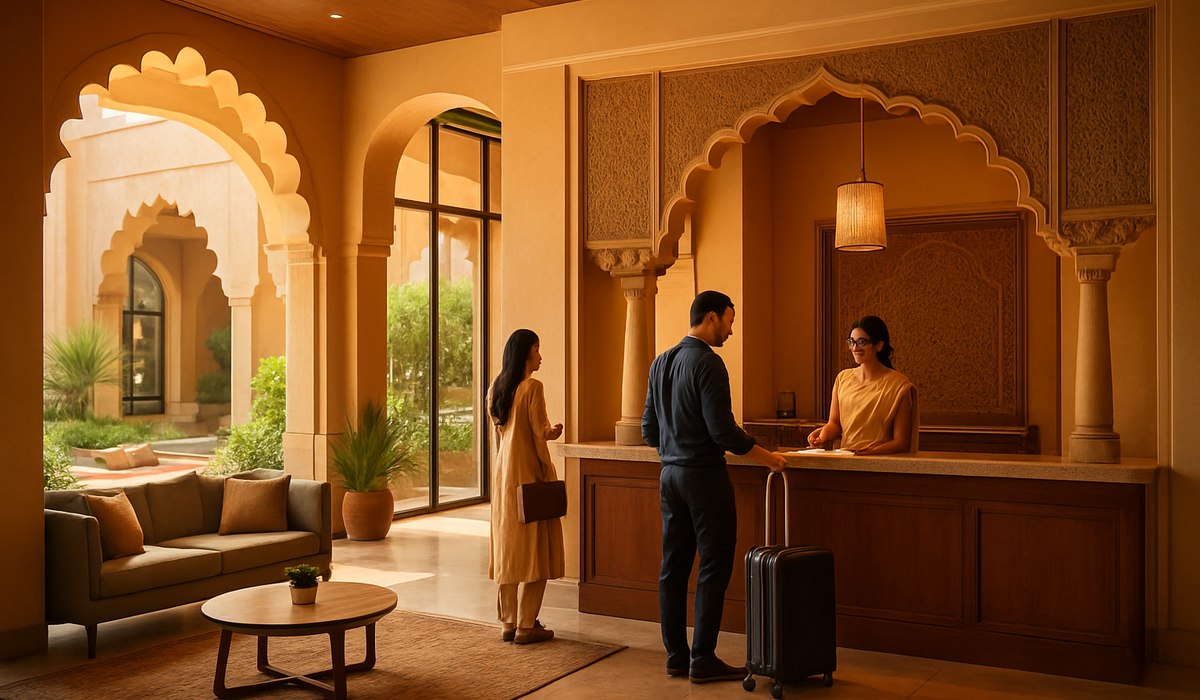
Image generated by AI
Hilton's Aggressive India Midscale Bet Reshapes Asian Hospitality Landscape
Hilton has announced a transformative 125-property development agreement focused on India's underserved midscale hotel segment, representing one of the largest single-market commitments in the company's Asia-Pacific strategy. The deal, unveiled in April 2026, demonstrates Hilton's confidence in India's rapidly expanding middle-class tourism and domestic travel demand. This expansion strategy targets tier-2 and tier-3 cities where traditional luxury operators have minimal presence, positioning Hilton to capture emerging leisure and business travelers seeking quality accommodation at accessible price points across the subcontinent.
Hilton's Massive India Midscale Bet
The 125-property pipeline represents a watershed moment for India Hilton hotels development, with properties branded under Hilton's extended-stay and midscale collections. Rather than pursuing premium positioning, Hilton deliberately targets the $30–$80 nightly rate bracket, where supply significantly lags behind surging demand from India's aspirational middle class. Industry analysts project this segment will grow 18–22% annually through 2030, driven by increased domestic business travel, family leisure trips, and weekend getaways to emerging destinations.
Strategic partnerships accelerate deployment across fragmented regional markets. Hilton collaborates with established hospitality operators and real estate developers who understand local regulations, land acquisition challenges, and customer preferences. This franchise-based model reduces capital requirements while enabling rapid scaling. Properties entering development pipelines in metros like Bangalore, Hyderabad, and Pune, alongside emerging leisure destinations, create geographic diversification that minimizes concentration risk and maximizes accessibility for Indian travelers seeking reliable, consistent service standards.
Why the Midscale Market Matters Now
India's hospitality ecosystem historically catered to either ultra-luxury internationals or budget operators, leaving a critical gap in the midscale segment. The emergence of India's digital economy, growing business process outsourcing hubs, and expanding aviation capacity have created unprecedented demand for quality midscale accommodation. Domestic travelers now account for approximately 75% of Indian hotel occupancy, fundamentally shifting development priorities away from international leisure tourism.
The midscale targets also reflect changing traveler expectations. Modern Indian business professionals and families increasingly value consistency, cleanliness, and technology amenities over ostentatious luxury. Hilton's midscale brands deliver Wi-Fi, fitness facilities, convenient locations, and professional service at rational price points. Corporate travel budgets increasingly accommodate premium midscale properties over budget chains, while leisure families seek reliability comparable to international standards. This psychological shift creates sustainable demand that transcends economic cycles, making midscale investment particularly attractive to capital-intensive hospitality operators planning 10–15 year horizons.
Speed-to-Market Strategy Through Strategic Partnerships
Hilton's expansion velocity depends entirely on partnership architecture with regional developers and operators possessing on-the-ground expertise. Rather than establishing wholly-owned development arms requiring years of institutional knowledge accumulation, Hilton leverages franchise agreements enabling existing operators to rebrand properties or construct new developments under Hilton flags. This approach compresses timelines from 3–5 years to 18–24 months in many markets.
Partnership structures typically involve revenue-sharing arrangements where local operators retain operational control while Hilton provides brand standards, technology platforms, training infrastructure, and global distribution access. These arrangements proved successful in Southeast Asia and are now systematically deployed across India's fragmented hospitality landscape. Joint ventures with established hotel groups and real estate developers further accelerate land acquisition and regulatory approvals. By embedding development within existing organizational networks rather than building greenfield infrastructure, Hilton achieves market penetration impossible through traditional corporate expansion models.
Implications for India's Travel Landscape
Hilton's 125-property commitment signals confidence in India becoming a sustained travel growth engine for international hospitality operators. The sheer scale of investment attracts competing brands to reassess India strategies, potentially triggering industry-wide midscale expansion that transforms Indian tourism infrastructure. Enhanced accommodation supply in underserved cities removes barriers to travel for millions of potential leisure and business travelers currently constrained by limited options.
For destination marketing organizations and regional governments, major hotel operator expansion catalyzes broader tourism ecosystem development including transportation infrastructure, dining establishments, and entertainment venues. Cities receiving significant Hilton development investment often experience accelerated digital transformation, standardized hospitality training programs, and increased foreign exchange earnings from both international and domestic visitors. The ripple effects extend beyond accommodations to influence employment, skills development, and economic opportunities across hospitality value chains.
| Metric | Details |
|---|---|
| Development Pipeline | 125 properties across India through partnership agreements |
| Market Focus | Midscale segment ($30–$80 nightly rate) |
| Timeline | Phased deployment 2026–2032 |
| Target Geography | Tier-2, tier-3 cities and emerging leisure destinations |
| Brand Categories | Extended-stay and midscale collections |
| Expected Annual Growth | 18–22% midscale demand growth through 2030 |
| Domestic Travel Share | Approximately 75% of Indian hotel occupancy |
What This Means for Travelers
India's hospitality landscape is fundamentally shifting, with meaningful implications for both business and leisure visitors:
-
Expanded Availability: Expect reliable, brand-standard accommodation options in secondary cities previously dominated by budget or luxury-only properties. Weekend getaway accessibility improves dramatically as midscale Hilton properties reach tier-2 destinations.
-
Consistent Service Standards: Properties operating under Hilton brand discipline deliver predictable amenities, professional staff, and technology integration regardless of location, reducing booking uncertainty for travelers unfamiliar with specific Indian cities.
-
Competitive Pricing: Increased midscale supply creates pricing pressure across comparable segments, improving value propositions for business travelers and families seeking quality without premium price tags.
-
Enhanced Digital Access: Hilton's global distribution network and digital booking infrastructure improve access for international travelers while building sophisticated reservation systems accessible to domestic travelers unfamiliar with online hotel booking platforms.
-
Professional Infrastructure: Expanded business facilities, reliable connectivity, and professional services support growth in India's business travel market, making regional cities viable for corporate events, conferences, and professional development activities.
Frequently Asked Questions
When will new Hilton India midscale hotels begin opening?
First-phase properties are expected to launch in 2027–2028, with acceleration thereafter. Opening timelines depend on local regulatory approvals, land acquisition, and construction capacity. Properties in major metros typically progress faster than those in emerging secondary cities.
Which Indian cities will receive Hilton midscale developments first?
Hilton prioritizes tier-2 and tier-3 cities including Bangalore, Hyderabad, Pune, Chandigarh, and emerging leisure destinations. Exact property locations depend on partnership agreements and land availability negotiated with regional developers.
How do Hilton's India midscale brands differ from budget hotels?
Midscale properties offer consistent quality, professional service, modern technology, fitness facilities, and business amenities comparable to international standards. Hilton brands emphasize reliability and traveler satisfaction, differentiating from budget chains prioritizing cost minimization.
Will Hilton's expansion affect room rates in Indian cities?
Increased midscale supply typically creates competitive pricing pressure, potentially moderating rate growth. However, demand growth simultaneously supports price stability, resulting in better value for travelers without dramatic rate reductions.
Related Travel Guides
Disclaimer
This article is for informational and educational purposes only. It does not constitute legal, financial, or professional advice. While we strive to provide accurate and up-to-date information, travel policies, regulations, and conditions change rapidly. Always verify information with official sources before making travel decisions. Nomad Lawyer makes no representations about the accuracy, reliability, completeness, or suitability of the information provided. Readers should consult qualified professionals for advice specific to their circumstances. The views expressed in this article are those of the author and do not necessarily reflect the views of Nomad Lawyer.
Raushan Kumar
Founder & Lead Developer
Full-stack developer with 11+ years of experience and a passionate traveller. Raushan built Nomad Lawyer from the ground up with a vision to create the best travel and law experience on the web.
Learn more about our team →