
Hotels Marriott Hyatt Transform Properties Through Conversions in 2026
Major hotel chains including Marriott, Hyatt, and IHG are rapidly converting existing properties into midscale brands to accelerate growth in expensive markets during 2026, avoiding costly new construction.

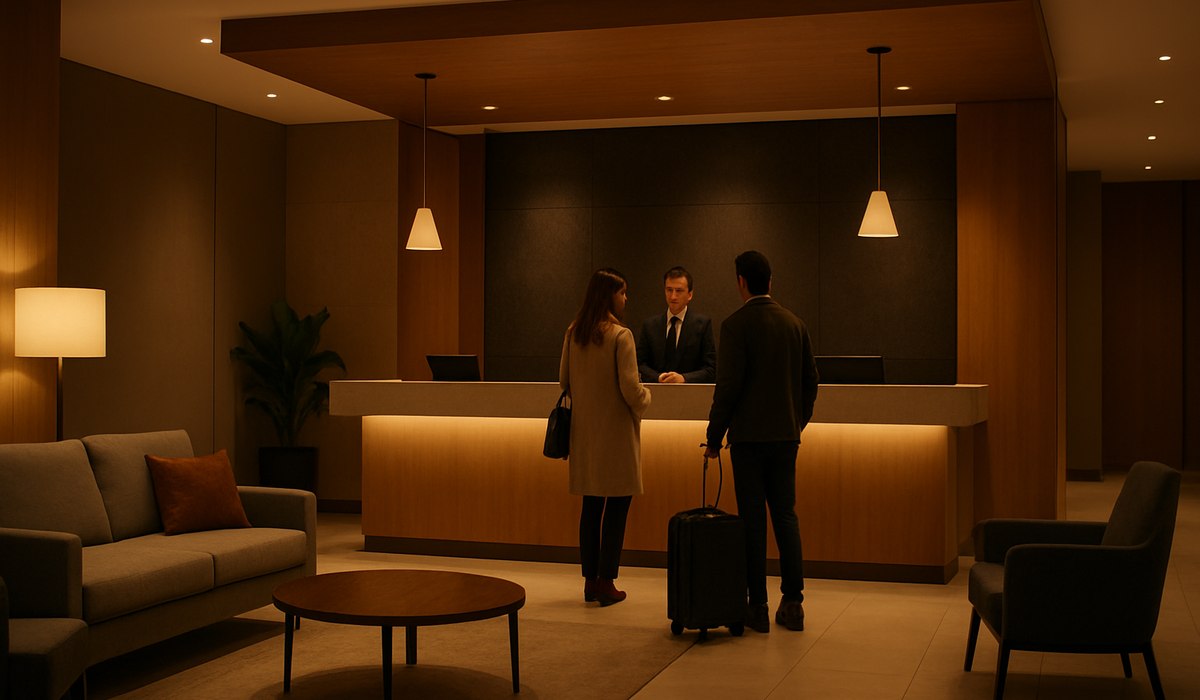
Image generated by AI
Property Conversions Reshape Midscale Hotel Landscape
IHG, Marriott, and Hyatt are strategically converting independent and legacy properties into established midscale brands, transforming the hotel landscape across expensive metropolitan regions. This conversion strategy represents a fundamental shift in how major hospitality groups penetrate high-cost markets without undertaking expensive ground-up development projects. Rather than constructing entirely new buildings, these chains are identifying underperforming or independent hotels and rebranding them under their proven midscale banners. This approach accelerates market penetration while reducing capital expenditure, allowing operators to refresh tired properties with modern standards and brand recognition.
The conversion movement addresses a critical market gap. Expensive urban and suburban markets make new construction financially prohibitive, yet demand for quality midscale accommodations continues rising. By converting existing structures, hotel chains achieve faster returns on investment while providing property owners with access to global distribution networks, reservation systems, and operational expertise.
Why Hotel Conversions Matter for Midscale Growth
Property conversions have become essential for midscale expansion strategies across the hospitality sector. Unlike new construction projects requiring three to five years of planning and development, conversions can be completed within twelve to eighteen months. This timeline acceleration proves critical in competitive markets where first-mover advantage matters significantly.
Hotels Marriott Hyatt chains recognize that conversions offer multiple advantages beyond speed. These properties often feature established locations with existing customer bases, reducing the risk associated with untested new addresses. Furthermore, conversion projects typically require 30-40% less capital investment compared to new builds, improving development economics. Property owners benefit from brand affiliation, access to loyalty programs, and operational support from experienced hospitality operators.
The midscale segment specifically has become attractive for conversions because it bridges the gap between economy and upscale tiers. Travelers increasingly seek quality accommodations at reasonable prices, making midscale positioning ideal for converted properties in expensive markets. For more details on hospitality investment trends, visit Skift's analysis of hotel development strategies.
How Major Chains Are Leveraging Conversions
Marriott International operates multiple midscale brands including Courtyard, Fairfield Inn, and Four Points by Sheraton, each serving distinct market segments within the midscale category. The company has systematically identified conversion candidates, targeting independent hotels and smaller regional chains that underperform under current ownership. Courtyard properties particularly appeal to business travelers seeking updated amenities and professional services.
Hyatt Hotels Corporation pursues conversions through its Hyatt House and Hyatt Centric brands, targeting extended-stay and lifestyle-focused market segments. These brands attract travelers seeking differentiated experiences beyond standard hotel offerings. Hyatt's conversion pipeline focuses on properties with strong bones and favorable locations, where renovation and rebranding can unlock significant value.
IHG Hotels & Resorts manages the largest portfolio of midscale brands globally, including Holiday Inn Express, Holiday Inn, and voco. The company's conversion strategy emphasizes consistency in service delivery while maintaining brand-specific identity. IHG's extensive franchisee network enables rapid deployment of conversion projects across multiple geographies simultaneously.
Visit Marriott International's official site to explore their complete midscale portfolio and conversion timelines for specific regions and markets.
Market Advantages in High-Cost Regions
Expensive metropolitan areas present unique advantages for conversion strategies. Cities like New York, San Francisco, London, and Sydney experience significant lodging demand but extreme development costs that make new construction projects economically challenging. Converting existing buildings circumvents zoning delays, environmental reviews, and construction complications that plague new development.
High-cost regions also feature aging independent hotels and outdated regional chains struggling with legacy systems and limited marketing reach. These properties represent conversion opportunities where modern management and brand association can dramatically improve occupancy rates and average daily rates. Property owners in expensive markets often prefer conversion to struggling independently, recognizing that brand affiliation provides competitive advantages.
The conversion approach particularly benefits suburban markets around major cities where land costs remain elevated but development pressures intensify. Hotels in these regions can serve both business and leisure travelers seeking alternatives to downtown accommodations, reducing operational costs while maintaining proximity to urban centers.
Future Outlook for Hotel Brand Conversions
Industry analysts project continued acceleration in conversion activity through 2027 and beyond. As new construction costs escalate globally and development timelines lengthen, hotel chains will increasingly pursue acquisition and conversion strategies. This trend benefits property owners seeking exits from independent operations while providing chains with rapid growth pathways.
Technology integration represents a critical conversion component moving forward. Updated property management systems, mobile check-in capabilities, and smart room features transform guest experiences at converted properties. Brands investing in technology-enabled conversions gain competitive advantages in attracting digitally-native travelers.
Sustainability considerations increasingly influence conversion decisions. Retrofitting existing properties with energy-efficient systems and sustainable operations requires less environmental impact than new construction. Hospitality companies positioning sustainability as a core value proposition find conversions attractive for meeting climate commitments while expanding portfolios.
For current hotel booking options and availability, explore Booking.com's comprehensive midscale hotel inventory.
Key Conversion Data and Market Metrics
| Metric | 2026 Status | Impact |
|---|---|---|
| Conversion Timeline | 12-18 months average | 60-70% faster than new construction |
| Capital Investment | 30-40% below new builds | Improved development economics and ROI |
| Marriott Midscale Brands | 5+ established brands | Diverse segment coverage and positioning |
| Hyatt Conversion Focus | Lifestyle and extended-stay | Differentiated traveler appeal |
| IHG Midscale Portfolio | Largest global footprint | Greatest conversion pipeline capacity |
| High-Cost Market Advantage | Significant cost savings | Primary conversion driver in expensive regions |
What Guests Get
When hotels undergo conversion to established brands like Hotels Marriott Hyatt banners, guests experience immediate improvements across multiple service dimensions. Converted properties receive brand-standard amenities including upgraded bedding, contemporary bathroom fixtures, and improved climate control systems. High-speed internet connectivity becomes consistent across all units, addressing traveler expectations for digital connectivity.
Guest rooms typically feature refreshed décor reflecting current design trends rather than dated aesthetics from previous ownership. Common areas including lobbies, fitness centers, and breakfast spaces receive complete renovations aligning with brand standards. Converted hotels gain access to loyalty programs, allowing frequent travelers to accumulate points and access member benefits previously unavailable.
Service improvements accompany physical renovations. Converted properties adopt standardized operational procedures, staff training protocols, and guest service standards established by major chains. Housekeeping quality, front desk efficiency, and maintenance responsiveness typically improve significantly. Guests benefit from professional management systems, streamlined reservation processes, and reliable brand consistency during stays.
Pricing at converted properties usually reflects quality improvements and brand positioning. While midscale hotels maintain accessibility compared to upscale options, pricing increases modestly from pre-conversion independent rates. Guests receive increased value through improved amenities, reliable service, and brand assurance rather than experiencing dramatic rate increases.
What This Means for Travelers
Hotel conversions create several important implications for business and leisure travelers navigating accommodation selections in expensive markets.
-
Expanded Quality Options: Conversion activity increases availability of well-maintained, professionally-managed accommodations in high-cost regions where limited alternatives previously existed, particularly in suburban areas serving major metropolitan centers.
-
Improved Value Proposition: Converted properties deliver enhanced amenities and service standards at midscale pricing, offering better value than struggling independent hotels while remaining more affordable than upscale alternatives in expensive markets.
-
Loyalty Program Integration: Converted properties immediately integrate with major hotel chains' loyalty programs, enabling travelers to accumulate points regardless of previous property history, rewarding frequent stays across entire portfolios.
-
Consistency and Reliability: Brand standardization ensures predictable experiences across
Disclaimer
This article is for informational and educational purposes only. It does not constitute legal, financial, or professional advice. While we strive to provide accurate and up-to-date information, travel policies, regulations, and conditions change rapidly. Always verify information with official sources before making travel decisions. Nomad Lawyer makes no representations about the accuracy, reliability, completeness, or suitability of the information provided. Readers should consult qualified professionals for advice specific to their circumstances. The views expressed in this article are those of the author and do not necessarily reflect the views of Nomad Lawyer.
Preeti Gunjan
Contributor & Community Manager
A passionate traveller and community builder. Preeti helps grow the Nomad Lawyer community, fostering engagement and bringing the reader experience to life.
Learn more about our team →