
Europe's Hidden Islands 2026: Greece, Italy, and Spain Pivot to Low-Impact Offbeat Tourism
New 2026 transit data reveals a strategic shift toward second-tier islands in Greece, Italy, and Spain as governments combat overtourism through diversified visitor flows.

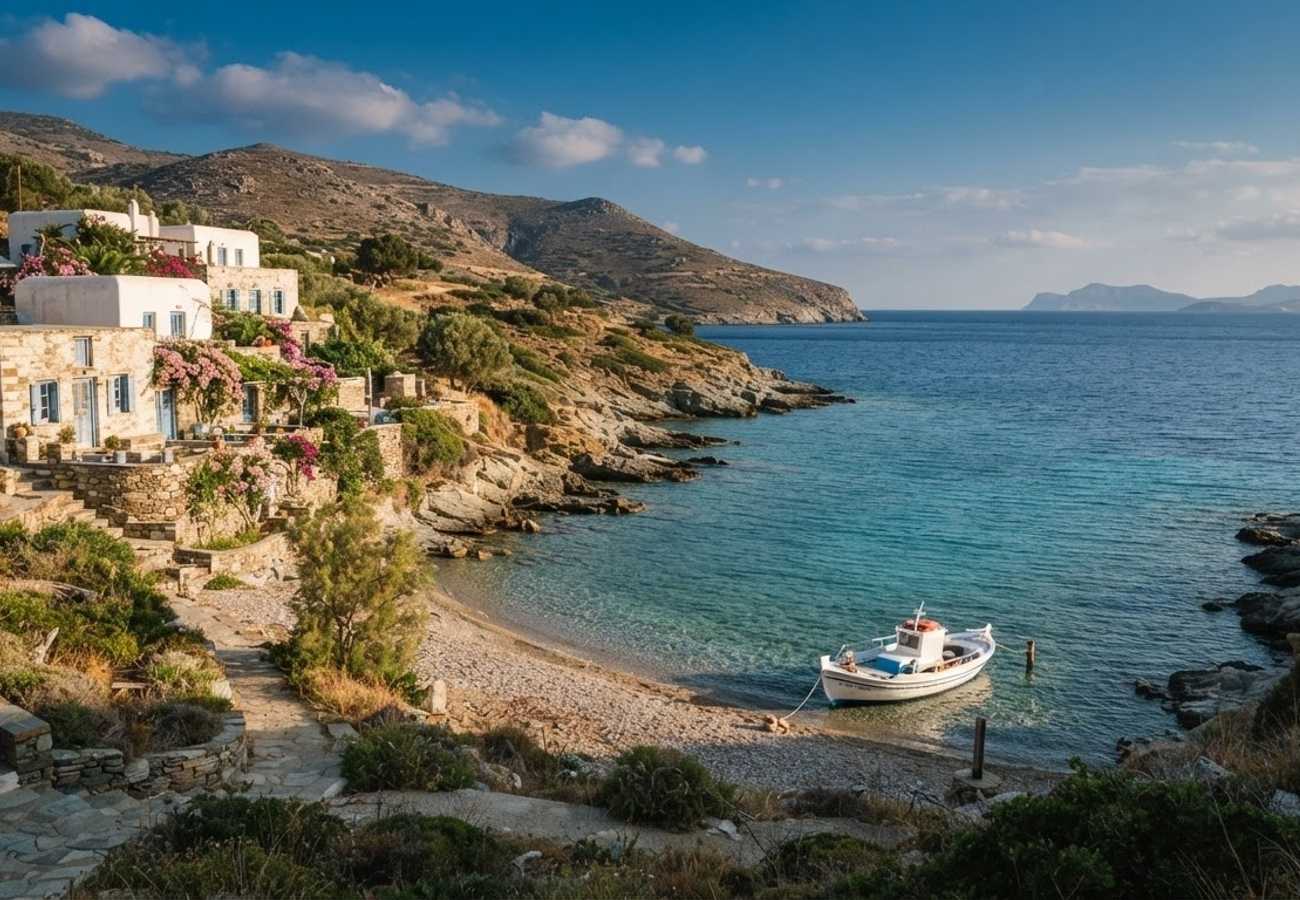
Image generated by AI
European tourism authorities are aggressively redirecting traveler flows away from saturated hubs like Santorini and Ibiza toward "second-tier" islands to mitigate overtourism and climate pressures in 2026.
The shift is no longer merely a trend among niche travelers but a formalized policy objective. National tourism strategies in Greece and Italy now explicitly prioritize the diversification of visitor flows. By channeling demand toward lesser-known archipelagos, these nations aim to distribute economic benefits to rural communities while relieving the critical infrastructure strain on marquee destinations.
The Strategic Pivot to Second-Tier Destinations
Data from 2026 travel reports indicates a measurable decline in interest for traditional hotspots in favor of "car-light" islands and remote outposts. This transition is driven by a combination of escalating costs in primary hubs and a growing preference for sustainable, slower-paced itineraries.
In Greece, the focus has expanded beyond the Cyclades. Destinations such as Naxos, Syros, and Chios, along with remote outposts in the Dodecanese and Ionian chains, are seeing increased bookings. These islands are primarily accessible via ferry networks rather than international flight paths, naturally limiting mass-market surges and appealing to climate-conscious travelers.
Italy is seeing a similar trajectory, with a marked contrast emerging between the high-density crowds of Capri and the volcanic landscapes of the Aeolian chain and Pantelleria. On Pantelleria, the tourism model has shifted from luxury beach clubs to substance-based experiences, focusing on thermal springs and historic rural dwellings. Further north, the Tuscan archipelago—specifically Capraia—is being positioned as a benchmark for low-impact tourism due to strict building controls and limited vehicle access.
Regional Transit and Destination Specifications
The following table outlines the primary "offbeat" alternatives currently being promoted by regional tourism boards for the 2026 season.
| Region | Primary Hubs (Avoid) | Emerging Alternatives (Recommended) | Primary Transit Mode | Key Logistics Feature |
|---|---|---|---|---|
| Greece | Santorini, Mykonos | Naxos, Syros, Chios | Ferry / Local Boat | High reliance on seasonal ferry schedules |
| Italy | Capri, Sardinia | Pantelleria, Aeolian Islands, Capraia | Ferry / Regional Flight | Limited car access; focus on hiking/diving |
| Spain | Ibiza, Mallorca | Minor Balearics, Outer Canaries | Ferry / Multi-stage Transit | Cooler climates in Northern Atlantic routes |
| North Europe | Major Coastal Cities | Baltic & North Atlantic Islands | Train $\rightarrow$ Ferry | Multi-modal journeys; temperate weather |
Traveler Logistics Guide: Navigating Offbeat Europe
From a ground-level perspective, the best way to navigate these remote destinations is to abandon the "point-to-point" mindset of traditional tourism. These islands operate on a different logistical rhythm than major hubs.
Booking Connections and Layovers When planning multi-island itineraries, allow for "buffer days." Ferry schedules in the Dodecanese or the Aeolian chain are subject to weather disruptions and seasonal fluctuations. Avoid booking tight connections between a ferry and a flight; a 24-hour layover in a port town is recommended to ensure transit reliability.
Ground Transportation Many of these islands are intentionally "car-light." On islands like Capraia or the smaller Greek outposts, rental cars are scarce and often unnecessary. The most efficient way to move is via:
- Electric Bikes/Scooters: Ideal for the compact main towns of Syros or Naxos.
- Local Bus Services: Be aware that these may only run 2-3 times daily. Always verify the last bus departure from remote beaches to return to the harbor.
- Small Boat Charters: Often the only way to reach undeveloped coves or hiking trailheads.
Digital and Financial Readiness Unlike the high-density resorts of Ibiza or Mykonos, second-tier islands may have limited banking facilities and ATMs. While digital payments are expanding, carrying a reserve of local currency is essential for family-run guesthouses and village markets.
Infrastructure and Regional Impact Assessment
The redirection of tourism is a calculated move to extend the travel season into spring and autumn. By spreading arrivals across a wider geographic area, Greece and Italy are attempting to stabilize water availability and energy consumption, which typically peak and crash during the July-August window.
In Spain and Northern Europe, the trend is further influenced by "climate migration" within the travel sector. As southern Mediterranean heatwaves become more severe, there is a documented shift toward the North Atlantic and Baltic islands. This creates a strategic opportunity for these regions to develop nature-based infrastructure before they experience the rapid, uncontrolled growth that led to overtourism in the south.
The long-term success of this model depends on the traveler's willingness to embrace a "slower" style of tourism—prioritizing longer stays and lower-emission transit over high-frequency, short-duration visits.
The era of the Mediterranean mega-resort is yielding to the era of the sustainable sanctuary.
Related Travel Guides
Disclaimer
This article is for informational and educational purposes only. It does not constitute legal, financial, or professional advice. While we strive to provide accurate and up-to-date information, travel policies, regulations, and conditions change rapidly. Always verify information with official sources before making travel decisions. Nomad Lawyer makes no representations about the accuracy, reliability, completeness, or suitability of the information provided. Readers should consult qualified professionals for advice specific to their circumstances. The views expressed in this article are those of the author and do not necessarily reflect the views of Nomad Lawyer.
Kunal K Choudhary
Co-Founder & Contributor
A passionate traveller and tech enthusiast. Kunal contributes to the vision and growth of Nomad Lawyer, bringing fresh perspectives and driving the community forward.
Learn more about our team →