
India’s Tiger Safari Reserves Experience Unprecedented Global Demand in Bandhavgarh, Tadoba, Ranthambore, Kanha, and Jim Corbett, Urging Travelers to Plan Around Peak Sighting Seasons: New Travel Alert
India's premier tiger reserves see a surge in global eco-tourism, with experts recommending dry summer months for the best sighting opportunities.

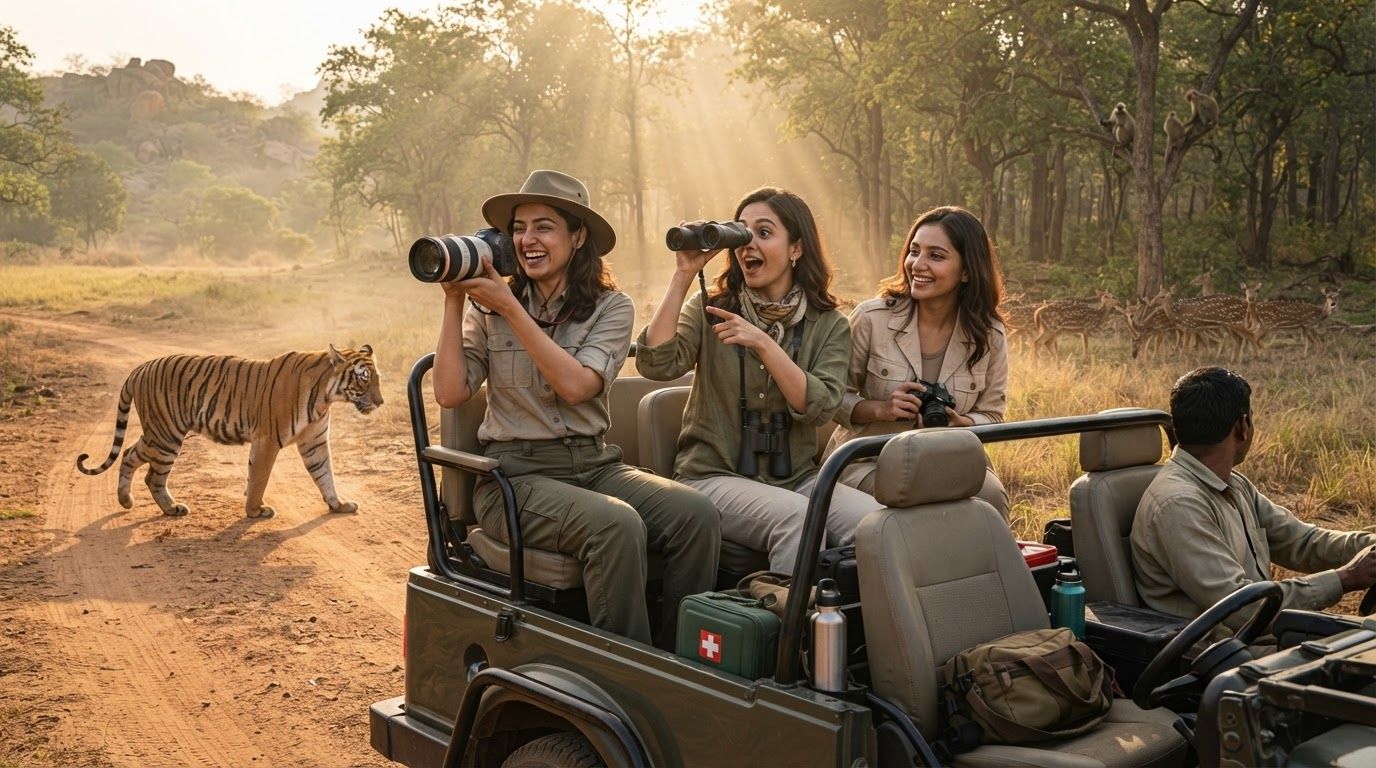
Image generated by AI
Published on July 16, 2026
India’s key tiger reserves are experiencing a significant surge in international visitor arrivals as global travel trends increasingly favor conservation-focused eco-tourism. Major national parks—including Bandhavgarh, Tadoba-Andhari, Ranthambore, Kanha, and Jim Corbett—are drawing record numbers of wildlife enthusiasts and photographers. Travelers planning a tiger safari in India are urged to plan their visits around peak seasonal wildlife movements, secure permits early through official portals, and follow park guidelines to support sustainable conservation.
Quick Summary
- Conservation Boom: Rising environmental awareness and improved habitat protection are driving record demand for wildlife travel in India.
- Top Tiger Habitats: Bandhavgarh, Tadoba-Andhari, Ranthambore, Kanha, and Jim Corbett remain the country's premier wildlife reserves.
- Optimal Timing: The dry summer months between March and June offer the highest sighting probabilities as animals gather near waterholes.
- Strict Visitor Caps: Forestry departments enforce strict daily vehicle limits to protect sensitive forest habitats from overcrowding.
- Eco-Tourism Impact: Increased visitor spending directly funds local forestry jobs, anti-poaching patrols, and community development.
Context and Background: Shifting Trends in Wildlife Tourism
In recent years, the international leisure travel market has shifted from standard sightseeing toward immersive, nature-based journeys. As travelers look for authentic experiences that support environmental protection, wildlife reserves have become key eco-tourism hubs. To manage this demand while protecting sensitive ecosystems, the National Tiger Conservation Authority (NTCA) coordinates park guidelines across the country.
This conservation-led tourism model ensures that visitor revenues directly support anti-poaching teams and forest preservation. For travelers, this means successful safari planning requires a good understanding of seasonal wildlife movements and strict local regulations.
Event and Incident Details: India's Premier Tiger Reserves
India’s extensive network of protected forests offers diverse landscapes, each providing a unique safari experience and distinct tiger sighting opportunities.
Key details of the country's top tiger reserves include:
- Bandhavgarh National Park (Madhya Pradesh): Known for its high tiger population density, particularly in the core zones of Tala and Magadhi, making it one of the country's most reliable sighting hubs.
- Tadoba-Andhari Tiger Reserve (Maharashtra): Features an open, dry deciduous forest landscape that improves visibility, with frequent sightings reported around major waterholes during dry seasons.
- Ranthambore National Park (Rajasthan): Combines natural forest ecosystems with historical heritage sites, featuring ancient ruins, lakes, and rugged valleys where tigers can often be photographed near old forts.
- Kanha National Park (Madhya Pradesh): A biodiversity-rich landscape of meadows and sal forests. It serves as a key habitat for tigers and the rare barasingha swamp deer, showing a balanced forest ecosystem.
- Jim Corbett National Park (Uttarakhand): India's oldest national park, featuring river valleys and grasslands, with the Dhikala zone serving as a key area for diverse wildlife sightings.
Risk and Impact: Managing Safari Overcrowding and Safety Constraints
The growing popularity of wildlife safaris involves several operational risks and environmental challenges that forestry departments must manage:
- Core Zone Overcrowding: High demand for popular zones like Tala or Dhikala can lead to vehicle congestion, disrupting wildlife behavior.
- Permit Shortages: Strict daily caps on safari vehicles mean that travelers who do not book months in advance may find themselves unable to secure entry.
- Habitat Disturbance: Unregulated tourist traffic increases the risk of littering, noise pollution, and damage to forest trails.
- Visitor Safety Risks: Close encounters with large predators in open safari vehicles require strict adherence to safety rules to prevent accidents.
What Authorities Are Saying: Prioritizing Habitat Integrity and Planning
Forestry departments and national conservation groups highlight that maintaining the safety and health of the reserves is key to long-term tourism success.
According to statements from the Ministry of Environment, Forest and Climate Change, maintaining strict visitor caps is essential to prevent habitat degradation and ensure that wildlife is not disturbed by excessive traffic.
The Wildlife Institute of India also emphasizes that seasonal timing is key to safari planning. Because animals naturally gather around limited water sources during the hot months of March through June, coordinating travel during this dry window significantly increases sighting success.
Practical Traveler Advice: How to Plan Your Tiger Safari
Travelers planning a wildlife excursion to India's top national parks should follow these practical recommendations:
- Book Permits Months in Advance: Secure your entry permits and vehicle bookings early through official state forestry portals, as daily spots are limited.
- Travel During Dry Months: Plan your visit between March and June to take advantage of seasonal wildlife movements around waterholes.
- Respect Forestry Guidelines: Always follow the instructions of your registered naturalist guide and driver, and remain inside your vehicle at all times.
- Pack for the Climate: Bring light, neutral-colored clothing to blend in with the environment, along with sun and dust protection for open-jeep safaris.
- Minimize Your Footprint: Avoid carrying single-use plastics into the parks, and maintain silence during wildlife sightings to avoid disturbing the animals.
Broader Context: Tourism as a Tool for Community Conservation
The success of India's tiger reserves demonstrates that responsible tourism can be a powerful tool for environmental conservation. By directing visitor spending into local communities, reserves create economic incentives for residents to protect their natural surroundings. This community-based conservation model supports local guesthouses, guide networks, and artisan workshops, ensuring that regional development goes hand-in-hand with wildlife preservation.
What to Expect Next: Enhancing Digital Booking Systems
Looking ahead, forestry departments plan to upgrade online booking portals to make the permit reservation process more transparent and accessible for international visitors. Additionally, efforts are underway to expand eco-friendly lodging options near emerging buffer zones, helping to distribute visitor traffic more evenly and reduce pressure on the parks' core areas.
Conclusion
The rising global demand for tiger safaris highlights India's key role in international wildlife conservation. By choosing responsible travel practices, booking permits early, and planning visits around peak sighting seasons, travelers can enjoy a rewarding safari experience while supporting local conservation. Staying prepared and respecting the natural habitat will ensure a safe, memorable, and sustainable adventure.
FAQ: Tiger Safaris and National Parks in India
What is the best time of year for a tiger safari in India?
The peak season for tiger sightings is during the dry summer months between March and June, when animals gather around key water sources.
Which national park has the highest tiger density?
Bandhavgarh National Park in Madhya Pradesh is renowned for its high tiger population density, particularly within the Tala and Magadhi zones.
Do I need to book safari permits in advance?
Yes. Forestry departments enforce strict daily limits on the number of vehicles allowed inside the parks. Permits should be booked several months in advance through official portals.
What is the significance of Jim Corbett National Park?
Established in Uttarakhand, Jim Corbett is India's oldest national park, famous for its diverse river valleys, grasslands, and historical role in tiger conservation.
How does wildlife tourism benefit local communities?
Visitor spending helps fund forestry jobs, anti-poaching patrols, and community development, giving local residents an economic incentive to support conservation efforts.
Related Travel Guides
The 10 Best Wildlife Safaris in India, According to Reddit
SEO & Google News Metadata (Suggestions):
Disclaimer
This article is for informational and educational purposes only. It does not constitute legal, financial, or professional advice. While we strive to provide accurate and up-to-date information, travel policies, regulations, and conditions change rapidly. Always verify information with official sources before making travel decisions. Nomad Lawyer makes no representations about the accuracy, reliability, completeness, or suitability of the information provided. Readers should consult qualified professionals for advice specific to their circumstances. The views expressed in this article are those of the author and do not necessarily reflect the views of Nomad Lawyer.
Kunal K Choudhary
Co-Founder & Contributor
A passionate traveller and tech enthusiast. Kunal contributes to the vision and growth of Nomad Lawyer, bringing fresh perspectives and driving the community forward.
Learn more about our team →