
India’s Aviation Infrastructure Boom Triggers Record Investment in Airport Hotels: New Greenfield Projects and Tier-II Connectivity Reshaping Hospitality and MICE Tourism in 2026
India's booming airport infrastructure is fundamentally reshaping the hospitality sector, with major hotel chains rapidly expanding into airport-adjacent micro-markets. Driven by the rise of greenfield airports and improved connectivity to tier-II and tier-III cities, the 'Runway-to-Room' model is seeing record occupancy rates. This surge is fueled by a high-growth MICE sector and the increasing demands of business travelers seeking efficiency in India's fast-evolving aviation landscape.

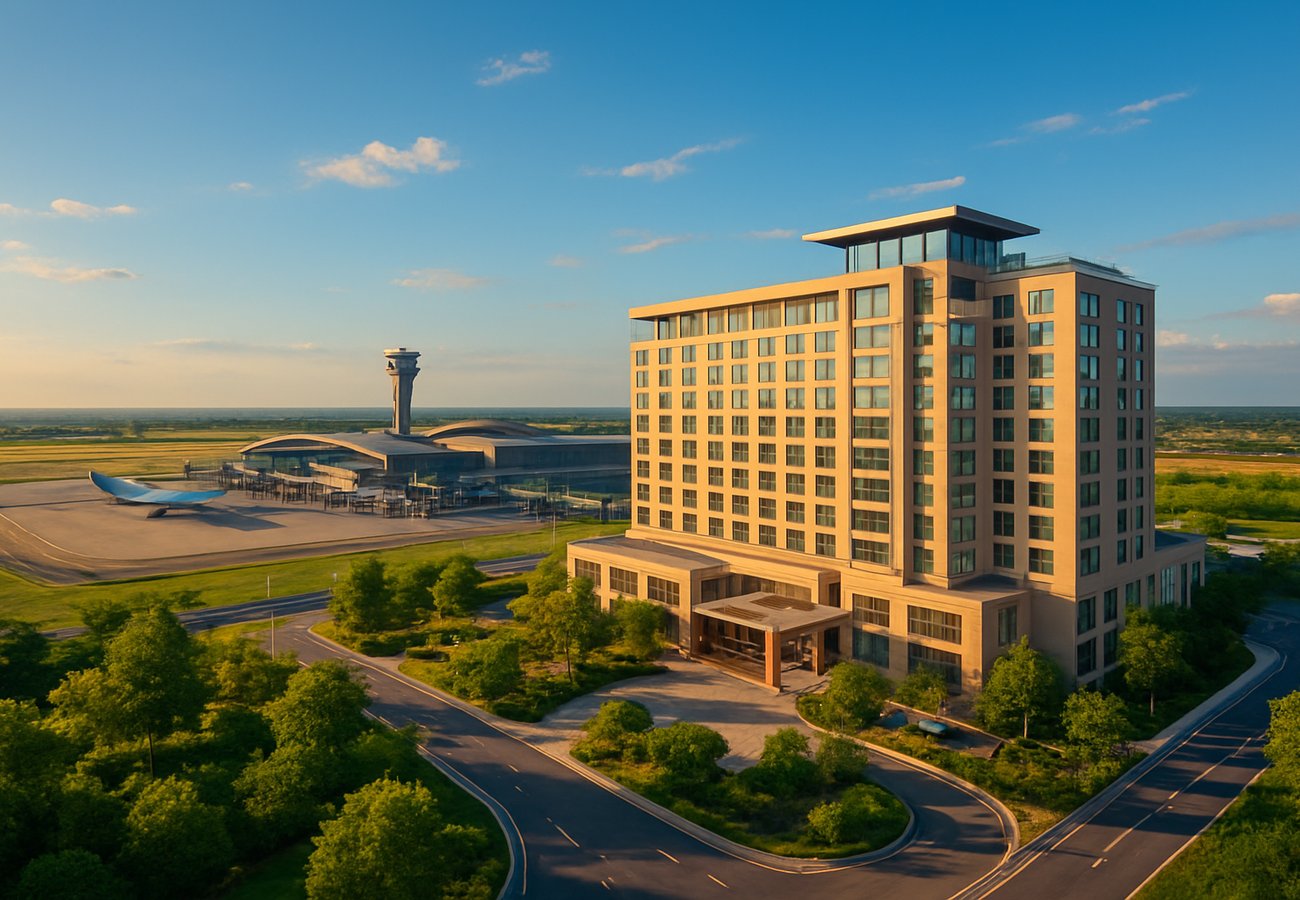
Runway-to-Room: India's aviation expansion fuels a massive surge in airport-linked hospitality.
India’s "Aerotropolis" Revolution: Expanding Aviation Infrastructure Fuels Record Growth in Airport Hotels; Major News for Investors and MICE Travelers
In a significant strategic realignment that is redefining the Indian hospitality landscape, the country’s booming aviation infrastructure has triggered a record-breaking wave of investment in airport-linked hotels. This airline news update, confirmed on May 11, 2026, reveals that the rapid development of greenfield airports and the unprecedented expansion of connectivity into tier-II and tier-III cities have made airport-adjacent micro-markets the highest-growth segment in the hotel industry. Major global and domestic hotel chains are now aggressively securing land parcels near the nation’s primary transit hubs, moving beyond the traditional city-center model to capture a diverse and growing demographic of travelers.
The "Runway-to-Room" revolution is no longer just about providing a bed for a stranded passenger. Today, India’s airport hotels are evolving into sophisticated hubs for MICE tourism (Meetings, Incentives, Conferences, and Exhibitions), offering state-of-the-art boardrooms and event spaces that cater to the "Time-Poor" business elite. As the government continues its push for regional aviation through the UDAN scheme and international hub development, the synergy between aviation and hospitality has become the primary driver of India’s tourism economy.
Expanded Overview: The Connectivity Catalyst
The growth of the airport hotel sector is a direct result of the "Connectivity Catalyst" currently sweeping across India. This aviation update highlights that the construction of massive new hubs, such as the Noida International Airport (Jewar) and the Navi Mumbai International Airport, is creating entire "Aerotropolises"—urban corridors centered around air travel. These developments have significantly improved accessibility to regional destinations that were once considered peripheral, turning them into thriving centers for corporate and leisure travel.
"We are witnessing a fundamental shift in how business is conducted in India," stated a senior aviation journalist specializing in infrastructure development. "In 2026, a corporate traveler doesn't want to spend three hours in city traffic. They want to land, conduct a high-level meeting in a 5-star airport hotel, and fly out the same evening. This demand for 'Hyper-Efficiency' is why we are seeing record occupancy rates and multi-billion dollar hotel pipelines specifically targeting the perimeter of our runways. This is the era of the integrated aviation-hospitality ecosystem."
Section-Wise Breakdown: The Pillars of Hospitality Growth
The Greenfield Surge: Reshaping the Urban Landscape
The launch of massive greenfield projects has provided a "Clean Slate" for hotel developers. Unlike congested city centers, airport-adjacent land allows for the creation of large-scale integrated resorts and MICE venues. These properties are becoming the focal points of new "Smart Cities," driving residential and commercial growth in their wake.
MICE Tourism: Why Airport Hotels are the New Boardrooms
The MICE sector has emerged as the most profitable driver for airport hotels. By offering world-class conference facilities just minutes from the terminal, these hotels allow international organizers to host global events without the logistical nightmare of city-wide transit. This convenience has made airport hubs in Delhi, Mumbai, and Bangalore the preferred choice for major exhibitions and corporate summits.
The Tier-II and III Frontier: Bridging the Gap
Improved air connectivity to cities like Jaipur, Indore, and Guwahati is encouraging hotel chains to venture into previously underserved markets. These regional airports are now seeing a steady flow of business travelers who require standardized, high-quality accommodations. The presence of airport-linked hotels in these cities is critical for fostering regional economic growth and supporting the local tourism industry.
India Aviation-Hospitality Synergy Matrix (2026 Forecast)
The following table outlines the key metrics and growth drivers for the airport-linked hospitality sector in India.
India: Airport Hotel Market Growth & Infrastructure Impact
| Driver | 2026 Impact Level | Key Market Segments | Status |
|---|---|---|---|
| Greenfield Airports | Extremely High | Noida, Navi Mumbai, Goa (Mopa) | Under Rapid Development |
| MICE Tourism | Record High | Corporate Summits, Tech Expos | Core Revenue Driver |
| Regional Connectivity | Rising Steady | Tier-II & Tier-III Hubs | UDAN Expansion Impact |
| Occupancy Rates | 85% - 92% | Transit & Business Travelers | Year-Round Stability |
| Investment Profile | Institutional / FDI | Global Chains (Marriott, Hilton, IHG) | Low-Risk, High-Yield |
| Urban Development | "Aerotropolis" Model | Residential & Commercial Belts | Integrated Hub Strategy |
Source: Indian Hospitality Audit and Aviation Infrastructure Report. Data as of May 11, 2026.
Passenger Impact: Efficiency, Comfort, and Accessibility
For the modern traveler moving through India, the boom in airport hotels offers "Frictionless Travel":
- The "Time-Poor" Business Elite: Professionals can optimize their schedules by staying within minutes of their departure gate, eliminating the stress of urban gridlock.
- Transit Comfort: International passengers on long layovers can access 5-star amenities without clearing customs or leaving the airport precinct, transforming a layover into a rejuvenation period.
- Regional Accessibility: As hotel chains move into tier-II cities, travelers can expect consistent service standards across the entire Indian aviation network, regardless of the destination's size.
Industry Analysis: The "Aerotropolis" Asset Class
Aviation analysts suggest that airport hotels have become a "Defensive Asset Class." Unlike city-center hotels, which can be vulnerable to local traffic changes or urban shifts, airport hotels benefit from a constant, guaranteed flow of foot traffic. The diversification of the traveler profile—now including a massive influx of MICE visitors and corporate delegates—ensures that occupancy remains stable throughout the year. As India targets a goal of 150+ operational airports by the end of 2026, the demand for airport-linked hospitality is expected to sustain its double-digit growth trajectory, outperforming traditional luxury segments.
Conclusion: Engineering the Future of Integrated Travel
As India’s aviation infrastructure continues its record-breaking expansion, the synergy between runways and rooms is creating a new blueprint for the hospitality industry. The launch of greenfield hubs and the penetration of regional air routes are not just moving people; they are building a new, integrated travel ecosystem. For the traveler of 2026, the airport is no longer just a place to catch a flight—it is the center of a thriving, high-tech urban environment where business, leisure, and world-class hospitality meet.
Key Takeaways
- India’s airport infrastructure expansion is a game-changer for the hotel industry.
- Record investments in airport hotels are driven by greenfield projects and regional hubs.
- MICE tourism (Meetings/Exhibitions) is the primary revenue driver for airport-adjacent properties.
- Connectivity to tier-II and tier-III cities is bridging the hospitality gap in regional India.
- Airport hotels offer year-round stability with occupancy rates hitting 85-92%.
- The "Aerotropolis" model is creating new urban and commercial corridors around airports.
- Business travelers increasingly prioritize efficiency, choosing runway-adjacent stays.
/article-footer-standard
Related Travel Guides:
Disclaimer
This article is for informational and educational purposes only. It does not constitute legal, financial, or professional advice. While we strive to provide accurate and up-to-date information, travel policies, regulations, and conditions change rapidly. Always verify information with official sources before making travel decisions. Nomad Lawyer makes no representations about the accuracy, reliability, completeness, or suitability of the information provided. Readers should consult qualified professionals for advice specific to their circumstances. The views expressed in this article are those of the author and do not necessarily reflect the views of Nomad Lawyer.
Kunal K Choudhary
Co-Founder & Contributor
A passionate traveller and tech enthusiast. Kunal contributes to the vision and growth of Nomad Lawyer, bringing fresh perspectives and driving the community forward.
Learn more about our team →