
IHCL Paathya Initiative Trains Indian Tribal Culinary Artisans
Indian Hotels Company's ESG+ initiative Paathya has launched a culinary workshop training tribal home cooks in partnership with Tata Steel Foundation in 2026.

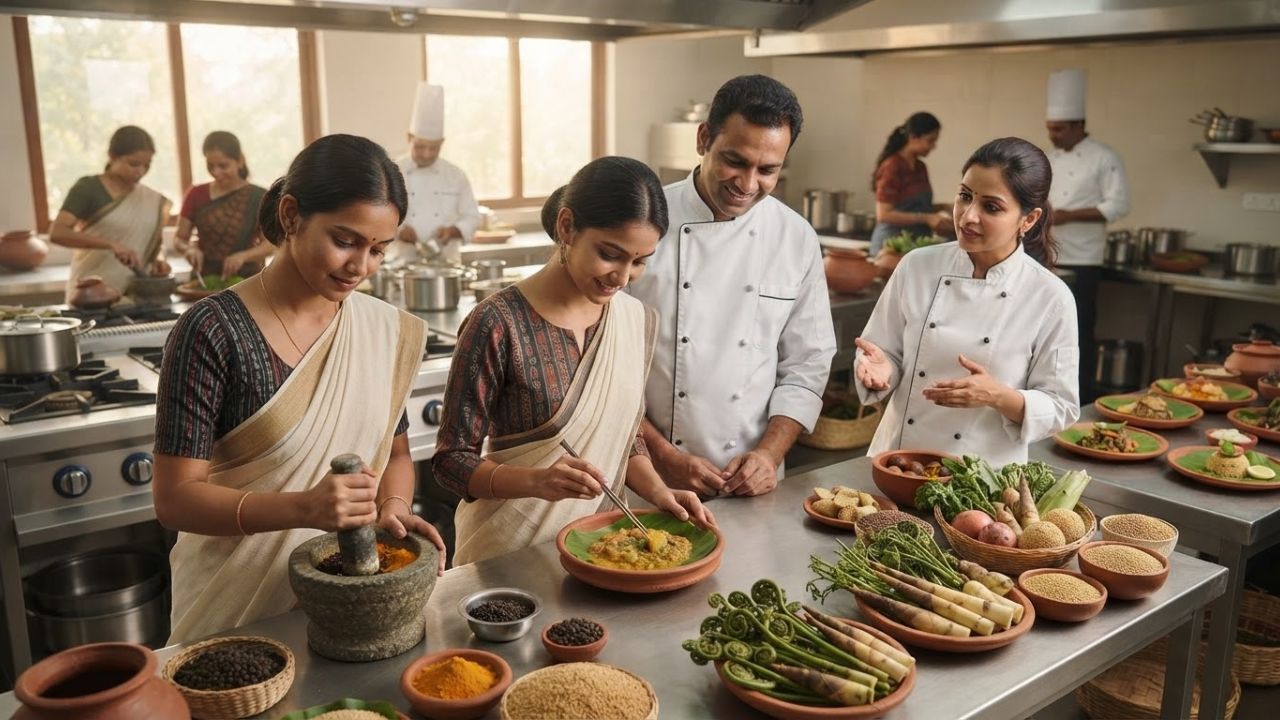
Image generated by AI
Indian Hotels Company, through its ESG+ initiative Paathya, has launched a culinary training program designed to empower tribal home cooks and promote sustainable livelihood opportunities. Developed in partnership with the Tata Steel Foundation and supported by the Institute of Hotel Management in Aurangabad, this specialized program aims to integrate indigenous culinary knowledge with professional hospitality standards. The initiative represents a structured effort to support rural economies, elevate micro-regional heritage cuisines, and create pathways for sustainable employment in the hospitality industry.
Elevating Indigenous Gastronomy
The rising global interest in sustainable tourism and authentic dining experiences has sparked a trend toward rediscovering indigenous food systems. Modern travelers seek dining experiences that reflect local biodiversity, historical traditions, and community-led practices. By bringing traditional cooking methods, indigenous recipes, and regional food knowledge into the spotlight, this collaborative program helps protect centuries-old culinary traditions that are closely connected to local environments and rural lifestyles.
The initial phase of the program featured an intensive 10-day workshop that brought together 20 tribal home cooks from eight states, representing 12 distinct tribal communities across India. Women accounted for 70% of the participants in this cohort, reflecting the central role they play in safeguarding traditional food systems and passing culinary knowledge between generations. The training program covered food preparation, modern presentation, hygiene, food safety, professional hospitality standards, and basic entrepreneurship.
To date, the broader Tribal Cuisine initiative has trained and empowered more than 70 tribal home cooks from 15 indigenous communities across 10 Indian states, with women representing more than 60% of all trained participants. This focus on female empowerment ensures that the economic benefits of culinary tourism flow directly into rural households, giving tribal women the skills and confidence to transform ancestral cooking abilities into stable, independent sources of income.
Tata Steel Foundation and Community Empowerment
The collaboration with the Tata Steel Foundation (TSF) provides the program with a deep connection to grassroots community development initiatives. TSF has long worked with indigenous populations in eastern India, particularly in Jharkhand and Odisha, focusing on tribal livelihood security, youth vocational training, and the preservation of tribal languages and arts. According to Sourav Roy, Chief Executive Officer of the Tata Steel Foundation, India's tribal communities carry culinary traditions that reflect generations of knowledge and cultural identity. Through the Tribal Cuisine initiative, the foundation aims to create opportunities for tribal home cooks to strengthen their skills, enhance their livelihoods, and share their unique food heritage with wider audiences.
This workshop serves as a key milestone in building a vibrant, self-sustaining ecosystem for tribal cuisine, where traditional wisdom is celebrated alongside excellence in hospitality and entrepreneurship. By combining the foundation's community network with IHCL's hospitality expertise, the initiative establishes a model for inclusive growth. The participants are not just learning to cook for commercial establishments; they are becoming culinary ambassadors who can represent their communities' heritage on national and international platforms.
In addition, this community-centric approach helps revitalize traditional knowledge systems that are at risk of being lost. As younger generations migrate to urban areas in search of employment, events like this demonstrate that local culinary heritage is a valuable asset that can generate sustainable livelihoods and community pride. This focus on heritage preservation aligns with the wider social objectives of the Tata Steel Foundation, which seeks to empower indigenous communities while maintaining their cultural identity.
Academic Integration at IHM Aurangabad
The involvement of the Institute of Hotel Management (IHM) Aurangabad adds a rigorous academic and technical framework to the training program. Led by Dr. (Chef) Zubin D’souza, Principal and Dean of IHM Aurangabad, the academic team designed a curriculum that respects traditional cooking methods while introducing modern culinary science and food safety protocols. The training program focused on translating informal, home-cooked recipes—which often rely on sensory estimation and regional cooking gear—into standardized formats that can be replicated in high-volume commercial kitchens.
Dean Zubin D’souza observed that the workshop served as a powerful reminder of the transformative power of food, serving as the core theme that tied participants together in rediscovering a lost heritage. It represents an opportunity to create employment for tribal communities by immersing hospitality professionals in a culture that has been in the making for five thousand years. This mutually beneficial and eye-opening exercise helped both students and instructors respect nature and the abundance of local ingredients it shares.
Key training areas at the institute included:
- Standardizing Indigenous Recipes: Developing precise measurements, cooking temperatures, and preparation steps for traditional dishes, allowing them to be consistently recreated in commercial hotels.
- Hygiene and Food Safety Standards: Training participants in Hazard Analysis Critical Control Point (HACCP) principles, safe food storage, and temperature control to meet international food service regulations.
- Food Presentation and Styling: Teaching modern plating techniques that highlight the natural colors and textures of indigenous ingredients, making them visually appealing to contemporary diners.
Preservation of Cultural and Environmental Heritage
For the visitor, the real impact of the tribal cuisine initiative is the preservation of local biodiversity and the celebration of sustainable cooking practices. Tribal culinary traditions rely heavily on native, seasonal ingredients sourced from local forests and smallholder farms. These ingredients—including drought-resistant millets, wild forest mushrooms, edible ferns, and hand-ground spices—require minimal water and chemical inputs, representing a highly sustainable model of agriculture.
Structured culinary workshops help bridge the gap between rural communities and urban travelers by presenting these unique forest-to-table flavors in professional formats. This integration supports regional conservation by creating economic value for native plants and encouraging the preservation of traditional forest ecosystems.
Additionally, this cooperative model helps:
- Sustain Traditional Crop Varieties: Creating demand for heritage grains like ragi, kodo, and kutki millets, which are highly nutritious and climate-resilient.
- Support Local Crafts and Cooperatives: Promoting hand-crafted kitchenware, such as traditional clay pots, brass utensils, and stone grinding tools, which are essential to authentic tribal food preparation.
- Fostering Direct Economic Links: Building transparent supply chains where luxury hotels and specialty restaurants purchase spices, grains, and forest produce directly from tribal farming cooperatives.
This cooperative approach highlights the role of capability building as a powerful enabler of economic opportunity. By combining structured hospitality training with the participants' existing culinary expertise, the program helps strengthen professional skills and opens new pathways for sustainable, community-led livelihoods.
Visitor Insider Tips: Exploring Tribal Cuisine
For travelers interested in discovering India's diverse tribal culinary traditions, destination specialists suggest the following practical guidelines:
- Visit Tribal Eco-Tourism Cooperatives: Plan journeys to community-managed eco-tourism camps in states like Jharkhand, Odisha, Madhya Pradesh, or Chhattisgarh, where local guides lead forest foraging walks and tribal cooks prepare authentic communal meals.
- Sample Seasonal Forest Produce: Adjust your travel schedule to coincide with regional harvest seasons. Autumn and winter are excellent times to sample wild forest mushrooms, fresh bamboo shoots, and roasted local tubers.
- Purchase Spices and Grains Directly: When visiting tribal markets, buy hand-ground spice blends, forest honey, and heritage grains directly from tribal women's self-help groups or TRIFED (Tribal Cooperative Marketing Development Federation of India) outlets.
- Respect Local Dining Etiquette: In many tribal households, meals are cooked over open wood fires and served in bio-degradable leaf cups (patravalis). It is customary to sit on the floor, receive food with both hands, and appreciate the simple, unrefined flavors of the forest.
- Try Millet-Based Infusions: Sample traditional non-alcoholic herbal infusions and warm millet drinks, which are rich in minerals and served as traditional welcome beverages in indigenous communities.
The Future of Community-Led Tourism
The partnership between IHCL, the Tata Steel Foundation, and IHM Aurangabad demonstrates how corporate sustainability programs can create tangible, long-term social value. As travelers place higher importance on ethical and environmental standards, destinations that promote inclusive growth and celebrate local heritage will remain highly competitive.
Future expansions of the program plan to establish regional hubs for tribal cuisine, connect trained cooks with specialty restaurants across India, and support the development of tribal-led food startups and culinary homestays. By balancing professional hospitality training with a deep respect for ancestral wisdom, these initiatives ensure that India’s rich indigenous food heritage receives the recognition it deserves while providing rural communities with new pathways for economic growth, dignity, and financial independence.
Related Travel Guides
Germany Summer Pageants Drive Major Cultural Tourism Growth
Indian Regional Cuisine Drives Global Culinary Tourism Revolution
Disclaimer
This article is for informational and educational purposes only. It does not constitute legal, financial, or professional advice. While we strive to provide accurate and up-to-date information, travel policies, regulations, and conditions change rapidly. Always verify information with official sources before making travel decisions. Nomad Lawyer makes no representations about the accuracy, reliability, completeness, or suitability of the information provided. Readers should consult qualified professionals for advice specific to their circumstances. The views expressed in this article are those of the author and do not necessarily reflect the views of Nomad Lawyer.
Kunal K Choudhary
Co-Founder & Contributor
A passionate traveller and tech enthusiast. Kunal contributes to the vision and growth of Nomad Lawyer, bringing fresh perspectives and driving the community forward.
Learn more about our team →