
Indian Regional Cuisine Drives Global Culinary Tourism Revolution

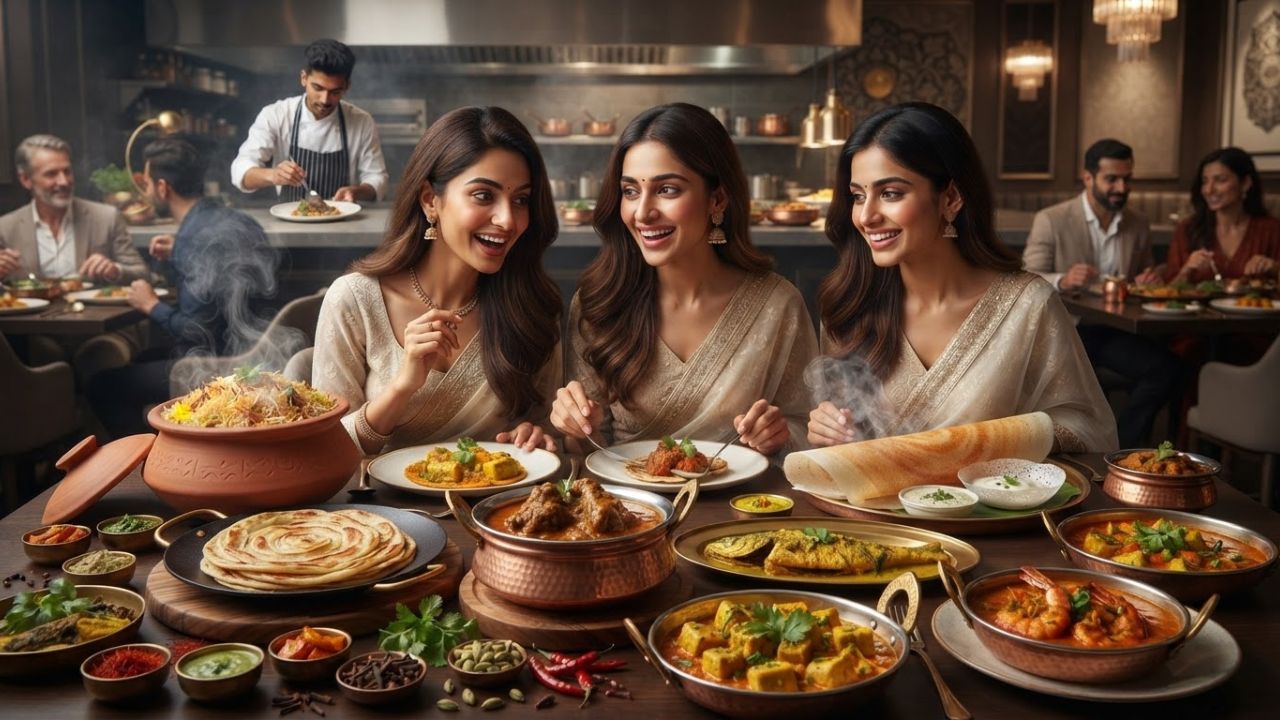
Image generated by AI
Indian regional gastronomy is driving a global culinary tourism revolution as international diners move beyond familiar stereotypes to explore the diverse food heritage of India's states and communities. Led by a new generation of culinary professionals — including Assistant Chef Vishal Kumar at Jashan by Dhaba in New Jersey — Indian restaurants abroad are showcasing traditional cooking techniques, regional spices, and ancestral recipes to educate global tastebuds.
This shift in international dining preferences highlights a transition toward culinary authenticity and destination-based storytelling. Rather than modifying traditional recipes for foreign markets, chefs are preserving the original character of dishes from Punjabi, Awadhi, Rajasthani, Bengali, South Indian, Kashmiri, and coastal traditions, creating dining experiences that connect with modern, travel-oriented consumers.
The Local Trend: Culinary Storytelling and Diverse Regional Heritage
The primary trend in the global food industry is the expansion of menus to highlight distinct regional specialties instead of a single, standardized national cuisine. For decades, global perceptions of Indian food were limited to popular dishes like butter chicken, naan, and samosas, but today's diners seek authentic cultural narratives:
- Highlighting Regional Diversity: Indian restaurants are introducing micro-regional menus, representing specific villages, heritage festivals, or historical cooking styles.
- Traditional Cooking Techniques: Kitchens are utilizing slow-cooking (dum) methods, clay-pot baking, open-flame grilling, and fermentation techniques that have been passed down through generations.
- Authentic Spice Sourcing: Chefs are importing specialized regional spice blends and heritage ingredients directly from Indian cooperatives to ensure flavor integrity.
This regional diversity allows culinary professionals to share forgotten recipes and heritage cooking styles with international diners. For example, restaurants are introducing regional specialties such as Rajasthani Dal Baati Churma, Bengali fish curries, and Kashmiri Wazwan dishes to create a more comprehensive dining experience. By moving beyond a single signature dish, chefs are showing that the future of Indian food overseas is shaped by the immense variety of flavors and stories that exist across the country.
These specialized regional dining options provide an alternative to standard commercial menus, allowing guests to explore traditional customs and dining etiquette. The F&B teams at Jashan by Dhaba and other premier venues organize culinary events, tasting menus, and guest chef takeovers to keep the dining experience engaging. This educational approach helps guests understand the cultural and historical significance of the dishes they enjoy, building a stronger appreciation for India's regional culinary heritage.
By sharing the stories behind the ingredients and techniques, culinary professionals are transforming meals into journeys, allowing guests to discover India's geography and culture through taste.
Cultural & Environmental Value: Sustainable Sourcing and Heritage Crops
For the visitor, the real value of the regional food movement is the way it supports sustainable agriculture, biodiversity, and local farming communities. Sourcing ingredients locally and utilizing traditional preservation methods aligns with modern environmental stewardship goals:
- Promoting Climate-Resilient Crops: Modern Indian menus are reintroducing heritage grains such as millets (ragi, bajra, and jowar), which are drought-resistant, require fewer resources to grow, and support organic farming cooperatives in rural India.
- Reducing Food Miles: High-value restaurants partner with local farms to grow fresh Indian herbs and vegetables, minimizing transportation-related carbon emissions while maintaining authenticity.
- Preserving Culinary Heritage: Sourcing specialty ingredients from regional cooperatives directly supports rural artisans, women's self-help groups, and traditional spice blenders across India.
The shift toward authentic sourcing also benefits local farmers and artisans in India. By importing specialized spices and grains directly from cooperatives, restaurants help sustain traditional livelihoods and support rural development. These sustainable practices demonstrate how culinary tourism can contribute positively to environmental protection, community support, and heritage preservation, ensuring that ancestral farming techniques and biodiversity remain protected.
These sustainability and heritage programs are supported by the Indian Federation of Culinary Associations (IFCA) and the Ministry of Tourism's "Incredible India" campaign, which promote gastronomy as a tool for sustainable development.
Traditional Gastronomy: Classic Regional Specialties of India
India's regional food culture offers an extraordinary variety of flavors shaped by local geography, climate, and history:
- Sarson ka Saag & Makki ki Roti (Punjab): A hearty winter dish made from slow-cooked mustard greens and spices, served with flatbreads made from yellow cornmeal and a dollop of fresh butter.
- Galouti Kebab (Awadh/Lucknow): Finely minced lamb or goat meat marinated with green papaya and more than 15 spices, shaped into patties and pan-seared until they melt in the mouth.
- Dal Baati Churma (Rajasthan): Baked whole wheat dough balls (baati) soaked in warm ghee, served with a savory lentil curry (dal) and sweet, powdered wheat crumble (churma).
- Shorshe Ilish (Bengal): Hilsa fish steaks simmered in a sharp, aromatic gravy made from ground mustard paste, green chilies, and mustard oil, representing Bengali riverine heritage.
- Malabar Parotta & Curry (Kerala/Coastal): Flaky, layered flatbreads made from refined flour, served alongside coconut-based vegetable or seafood curries seasoned with curry leaves and mustard seeds.
Visitor Insider Tips: Exploring India's Regional Gastronomy
To enjoy an authentic culinary tour of India's diverse food regions, follow these guidelines:
- Plan Food Trips During the Winter Months: The best time for culinary travel to India is from November to February, when street food festivals, local crop harvests, and heritage food markets (such as Dilli Haat in New Delhi) are fully active.
- Observe Dining Etiquette Respectfully: When enjoying traditional meals, particularly flatbreads and rice, it is customary to eat with your right hand. Ensure you wash your hands thoroughly before and after the meal.
- Explore Local Dhabas with Guidance: Traditional roadside eateries (dhabas) offer authentic regional flavors. Visit well-established, family-run locations and dress respectably when dining in rural communities.
- Carry Reusable Water Bottles on Food Tours: Staying hydrated is vital when exploring spice-rich street food markets. Use filtered water refilling stations to minimize plastic waste.
- Try Kashmiri Kahwa for Digestion: After a heavy meal, enjoy a cup of Kashmiri Kahwa, a traditional green tea infused with saffron, cardamom, cinnamon, and crushed almonds, known for its digestive benefits.
Outlook: The Future of Global Culinary Tourism
The rising popularity of regional Indian gastronomy indicates a long-term shift toward culinary authenticity and heritage tourism. As global travellers search for deeper connections, destinations that highlight their food heritage will continue to attract high-value tourists.
The growth of regional Indian gastronomy overseas highlights the potential for future culinary and cultural partnerships. By establishing collaborative platforms that combine food tours, cooking workshops, and sustainable agricultural initiatives, participating organizations can foster mutual understanding, promote travel, and support community development. The ongoing support of regional governments, business alliances, and culinary associations will remain essential to sustaining these programs and achieving long-term partnerships.
The integration of food tours with local cooking schools will also play a key role in promoting culinary tourism. Visitors can participate in hands-on workshops to learn traditional recipes, spice blending techniques, and dough preparation methods directly from local chefs. These immersive programs foster cultural exchange and support community businesses, showing how gastronomy can act as a powerful tool for destination marketing and international relationship building.
Future developments will include the growth of cooking schools for international visitors, expanded culinary heritage trails in rural India, and closer collaboration between chefs and sustainable farming cooperatives. By balancing culinary innovation with cultural preservation, the next generation of Indian chefs aims to show that ancestral food traditions can guide the future of global cuisine, ensuring that regional stories and sustainable practices remain preserved for generations to come.
Related Travel Guides
Moscow Hosts India Day Festival and BRICS Business Forum
Utica New York Affordable Tourism Growth
10 Best Regional Indian Restaurants in New York, According to Reddit
Disclaimer
This article is for informational and educational purposes only. It does not constitute legal, financial, or professional advice. While we strive to provide accurate and up-to-date information, travel policies, regulations, and conditions change rapidly. Always verify information with official sources before making travel decisions. Nomad Lawyer makes no representations about the accuracy, reliability, completeness, or suitability of the information provided. Readers should consult qualified professionals for advice specific to their circumstances. The views expressed in this article are those of the author and do not necessarily reflect the views of Nomad Lawyer.
Raushan Kumar
Founder & Lead Developer
Full-stack developer with 11+ years of experience and a passionate traveller. Raushan built Nomad Lawyer from the ground up with a vision to create the best travel and law experience on the web.
Learn more about our team →