
Iceland Activates Hornstrandir Autumn Travel Registration Amid Digital Guidance Gap
Iceland reinstates the mandatory autumn travel registration for the Hornstrandir Nature Reserve starting September 1, amid official digital website discrepancies.

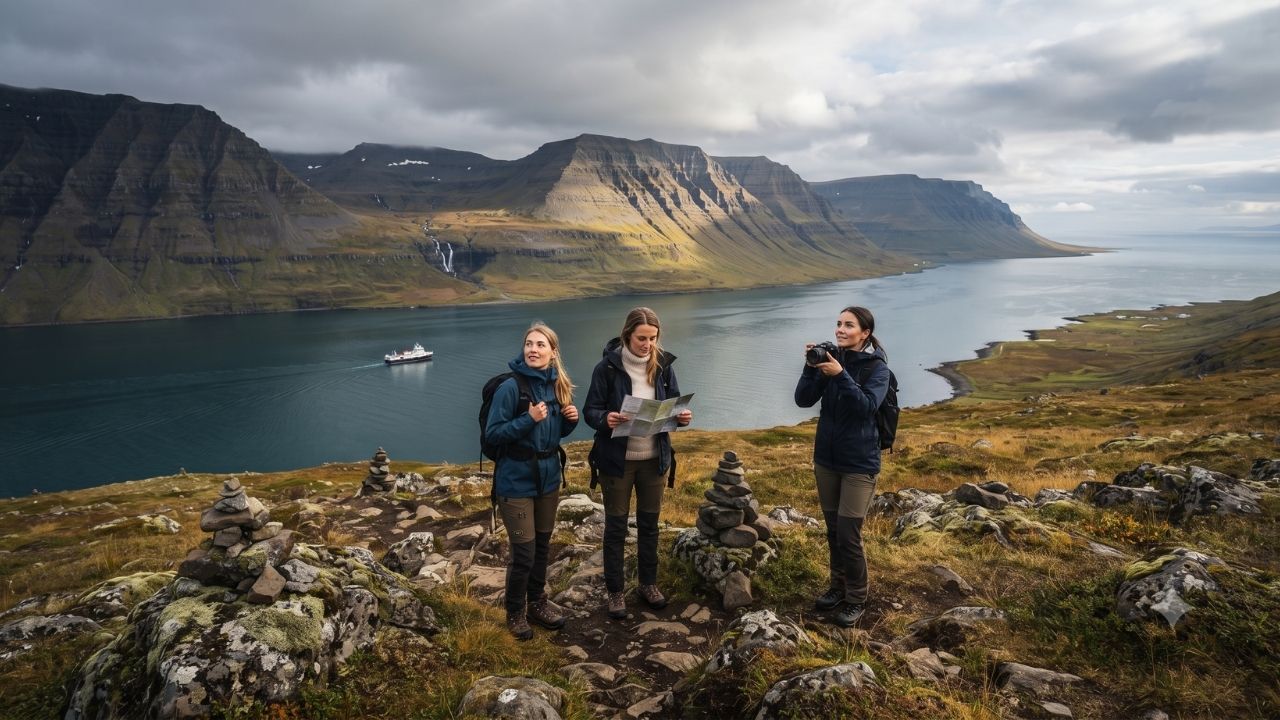
Image generated by AI
All travelers entering Iceland's remote Hornstrandir Nature Reserve from September 1 through November 1 must complete a mandatory environmental registration, navigating a critical digital guidance gap on official government tourism websites.
Digital Discrepancy Surrounding Autumn Registration
Starting September 1, 2026, travelers visiting the Hornstrandir Nature Reserve face seasonal compliance requirements to protect the area's fragile autumn environment. According to the detailed Hornstrandir information maintained on Iceland's active Environment Agency website, all activities in the reserve must be registered electronically from September 1 through November 1, when walking trails, vegetation, and ecosystems are highly vulnerable. Land and homeowners are exempt.
Importantly, this is not a new policy, but rather the annual activation of an existing environmental rule. However, a digital information discrepancy has emerged across Iceland's official websites. The newer Nature Conservation Agency portal for Hornstrandir only lists the spring reporting window (March 1 to June 15) and omits the autumn registration requirement. Because the government is transitioning to new websites, travelers and operators are warned to cross-check active detailed Environment Agency pages rather than relying on newer summaries to avoid non-compliance.
Post-Summer Visitor Service Closures at Ísafjörður
The arrival of the autumn registration window on September 1 aligns with changes in local traveler support. The standard summer operating timetable at Hornstrandastofa, the Hornstrandir visitor center at Silfurgata 1 in Ísafjörður, ends on August 31.
Outside the summer months, the center is available only by arrangement, and walk-in services are unavailable. This change increases the risk profile for independent hikers. September visitors must settle questions about registration, marine transport, equipment, and weather conditions prior to arriving at the ferry docks.
Hornstrandir Access and Westfjords Tourism Profile (2026)
| Parameter / Metric | Value / Detail | Practical Significance |
|---|---|---|
| Autumn Registration Window | September 1 to November 1 | Mandatory reporting for all reserve entries to protect ecosystems |
| Spring Registration Window | March 1 to June 15 | Protects nesting fauna and thawing walking routes |
| Visitor Centre (Ísafjörður) | Hornstrandastofa, Silfurgata 1 | Summer hours end August 31; winter by arrangement |
| Reserve Area Size | 589 square kilometers | Category Ib wilderness with limited modification |
| Group Size Limits | 30 (West) / 15 (East) | Restricts high-volume tourism to protect nature |
| July Hotel Stays (Nationwide) | Approximately 648,000 nights | Broadly unchanged year-on-year |
| Foreign Share of Stays | 92% (593,000 stays) | Shows heavy reliance on international leisure arrivals |
| West/Westfjords Bed Supply | -1.3% / Occupancy +0.9 pts | Indicates shrinking capacity but tighter occupancy dynamics |
Marine Logistics and Autonomous Travel Risks
The reserve is accessed primarily by sea, with scheduled boats departing from Ísafjörður, Bolungarvík, and Norðurfjörður, and land approaches from Ófeigsfjörður and Dalbær. Travelers must understand that completing the environmental registration does not secure a boat reservation or confirm return transport.
The start of registration does not mean the reserve is closed. Tour operators like Borea Adventures run scheduled excursions into early September, including trips to Hesteyri, Hornstrandir Traverse, and Hornvík. However, boat schedules scale down after August 31, making independent coordination of marine transit and weather contingency plans essential.
Environmental Hazards and SafeTravel Filing
Hornstrandir covers 589 square kilometers in the northern Westfjords and is classified by the International Union for Conservation of Nature (IUCN) as a Category Ib wilderness area. Protected since 1975, the region has limited human modification, and travel here carries significant natural exposure:
- Navigation Challenges: Cairn-marked trails are difficult to follow, particularly in fog.
- Water Crossings: Rivers can rise quickly and become impassable after heavy rain.
- Weather Shifts: Snow patches remain year-round, and oceanic exposure causes rapid temperature drops.
- Limited Rescue Options: Helicopter landings are prohibited within the reserve (except in emergencies), and only two unregistered dirt runways exist.
- Campsite Restrictions: Wild camping is prohibited. Visitors must use one of the 14 agency-provided campsites or two private sites, moving tents weekly to protect undergrowth.
Due to these hazards, hikers are instructed to carry appropriate navigation devices, waterproof gear, tents, and extra food supplies to accommodate pickup delays. Travelers must also file a detailed safety itinerary separately with SafeTravel, as the environmental registration does not track emergencies.
Destination Specialist Local Insider Tips
To help travelers explore Hornstrandir safely during the shoulder season, local specialists recommend the following insider tips:
- Cross-Check the Active Detailed Environment Agency Guidance: Do not rely on newer summary portals. Double-check details on the Environment Agency website during the digital transition.
- Separate Environmental Registration from SafeTravel: Register your eco-activity first, then lodge your safety itinerary separately with SafeTravel so rescue teams can track your path.
- Secure Independent Marine Bookings First: Complete your boat charter bookings from Bolungarvík or Ísafjörður before registering your entry dates.
- Respect Camping Infrastructure Limits: Restrict camping strictly to the 14 agency-provided campsites or two private sites. Move your tent every week to protect undergrowth.
- Keep Groups Small to Avoid Fines: Ensure your trekking party does not exceed 30 people in the western reserve or 15 in the eastern zones without written permission from Hornstrandastofa.
Future Outlook
By managing shoulder-season access through registration and group size limits (typically 30 in the west and 15 in the east), authorities protect the Westfjords wilderness from high-volume tourist traffic. This controlled model supports regional businesses by attracting higher-value, sustainable adventure tourism that minimizes impact on the environment.
Related Travel Guides
Disclaimer
This article is for informational and educational purposes only. It does not constitute legal, financial, or professional advice. While we strive to provide accurate and up-to-date information, travel policies, regulations, and conditions change rapidly. Always verify information with official sources before making travel decisions. Nomad Lawyer makes no representations about the accuracy, reliability, completeness, or suitability of the information provided. Readers should consult qualified professionals for advice specific to their circumstances. The views expressed in this article are those of the author and do not necessarily reflect the views of Nomad Lawyer.
Preeti Gunjan
Contributor & Community Manager
A passionate traveller and community builder. Preeti helps grow the Nomad Lawyer community, fostering engagement and bringing the reader experience to life.
Learn more about our team →