
Hotels Signs Storii Mukundgarh Fort in Rajasthan, 2026
ITC Hotels expands its Storii heritage collection with Mukundgarh Fort in Rajasthan's Shekhawati region in 2026, deepening cultural tourism offerings across India's premier destinations.

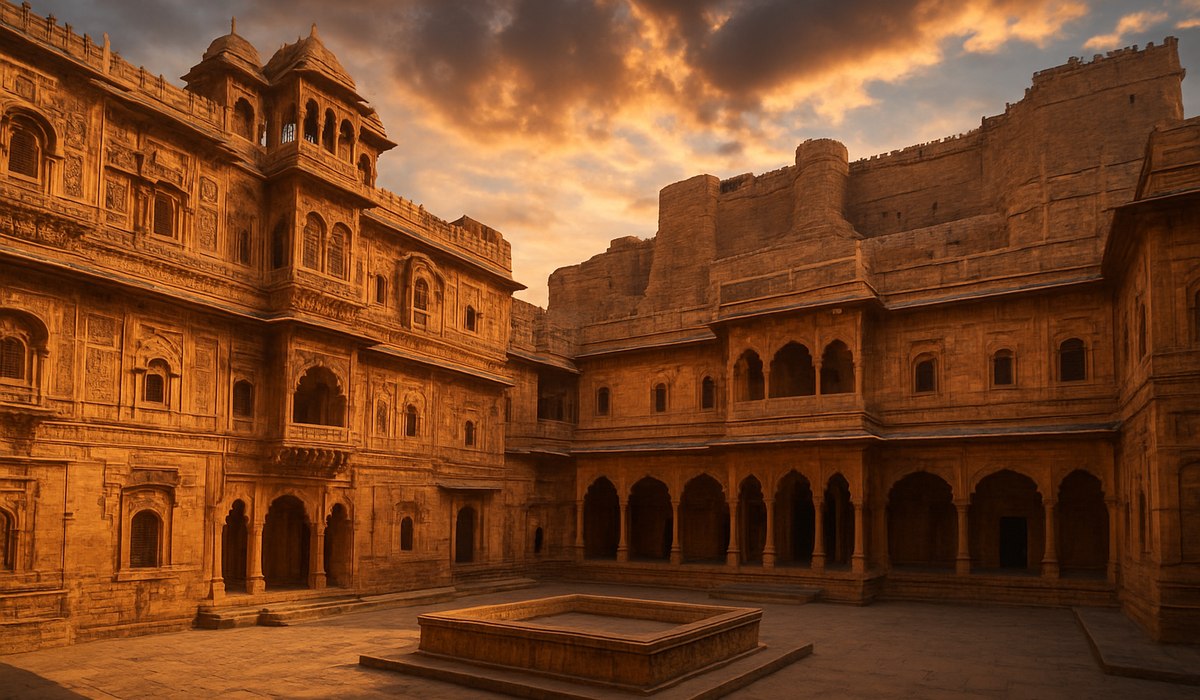
Image generated by AI
ITC Hotels Debuts Storii Mukundgarh Fort as Heritage Collection Expands
ITC Hotels Limited has officially signed Storii Mukundgarh Fort, a landmark addition to its growing Storii by ITC Hotels collection. Situated in Rajasthan's celebrated Shekhawati region, this property marks a strategic expansion of ITC's heritage hospitality footprint. The debut reinforces the brand's commitment to delivering culturally immersive travel experiences in India's most sought-after traditional destinations. The property combines architectural preservation with contemporary guest amenities, positioning itself as a premier choice for heritage tourism enthusiasts and cultural explorers seeking authentic Rajasthani hospitality.
ITC Hotels Strengthens Heritage Portfolio with Storii Expansion
ITC Hotels' Storii collection represents a refined approach to heritage hospitality, merging historical authenticity with luxury service standards. The addition of Mukundgarh Fort exemplifies this philosophy by transforming a centuries-old architectural gem into a functional luxury retreat. The expansion strategy aligns with growing demand for experiential travel, where guests prioritize cultural immersion over conventional amenities.
The Storii portfolio now encompasses properties that celebrate India's diverse architectural and cultural heritage. By focusing on heritage destinations, ITC Hotels positions itself distinctly within the competitive luxury travel market. The Shekhawati region, known for its ornate havelis and merchant history, provides an ideal setting for this hospitality philosophy. This expansion demonstrates ITC's confidence in heritage tourism as a sustainable, long-term growth segment.
Mukundgarh Fort: What Guests Can Expect
Guests selecting hotels signs storii properties gain access to thoughtfully curated experiences centered on local culture and history. At Mukundgarh Fort, visitors encounter meticulously preserved architecture paired with modern conveniences. Room designs reflect regional aesthetics while maintaining contemporary comfort standards.
Dining experiences emphasize traditional Rajasthani cuisine prepared using locally sourced ingredients and heritage recipes. Evening programming often includes cultural performances, storytelling sessions, and guided heritage walks explaining the property's historical significance. Staff training focuses on cultural knowledge, ensuring guests receive context-rich interactions during their stay.
Accommodation options range from standard heritage rooms to premium suites with panoramic fort views. Each space incorporates period-appropriate design elements without compromising modern plumbing, climate control, and connectivity. Common areas function as cultural galleries, displaying artifacts and exhibits related to Shekhawati's merchant trading history and architectural evolution.
The Shekhawati Region's Rise as a Heritage Tourism Hub
Shekhawati has emerged as one of India's most compelling heritage tourism destinations over the past decade. The region encompasses multiple districts in northeastern Rajasthan, characterized by hundreds of intricately painted havelis dating from the 18th and 19th centuries. These merchant mansions showcase distinctive frescoes, ornamental designs, and architectural innovations reflecting the region's mercantile prosperity.
Tourism infrastructure has developed substantially, yet the region maintains its authentic character and cultural identity. Mukundgarh's selection for the Storii expansion reflects the destination's growing prominence among culturally-minded travelers. Nearby attractions include the painted havelis of Nawalgarh, Mandawa, and Dundlod, creating natural multi-property itineraries for extended stays.
The Shekhawati region appeals particularly to travelers researching Indian merchant history, textile traditions, and vernacular architecture. Seasonal tourism peaks align with India's cooler months, making winter an optimal travel period. Local guides and cultural organizations support authentic experiences beyond typical hotel-based activities.
ITC's Strategy for Experiential and Cultural Hospitality
ITC Hotels' broader hospitality strategy emphasizes experiential offerings as differentiation from standardized luxury properties. The Storii collection specifically targets travelers valuing cultural authenticity and historical context alongside luxury services. This positioning addresses a expanding market segment of affluent travelers seeking meaningful engagement with destinations.
Investment in heritage properties requires specialized expertise in conservation, restoration, and adaptive reuse. ITC's partnerships with architectural specialists and cultural historians ensure properties respect historical integrity while meeting contemporary safety and accessibility standards. Staff recruitment emphasizes regional heritage knowledge, creating employment opportunities for local communities.
This approach generates positive community relationships and supports cultural preservation initiatives. Guests increasingly expect luxury hospitality to contribute meaningfully to destination communities rather than extract value. The Storii model demonstrates alignment with this evolving traveler expectation while creating sustainable business models centered on heritage protection.
Key Details: Storii Mukundgarh Fort Property Overview
| Property Feature | Details |
|---|---|
| Property Name | Storii Mukundgarh Fort |
| Location | Mukundgarh, Shekhawati Region, Rajasthan |
| Affiliation | ITC Hotels Limited, Storii Collection |
| Architecture Period | Historic Fort Structure (18th-19th Century) |
| Room Categories | Heritage Rooms, Suites, Fort View Accommodations |
| Dining Focus | Traditional Rajasthani Cuisine, Local Ingredients |
| Guest Experiences | Cultural Performances, Heritage Walks, Artifact Exhibits |
| Optimal Season | October to March (Peak Tourism Period) |
| Nearest City | Mandawa (Approximately 40 kilometers) |
| Target Market | Cultural Travelers, Heritage Enthusiasts, Luxury Seekers |
What This Means for Travelers
The launch of Storii Mukundgarh Fort creates significant opportunities for heritage tourism exploration:
-
Expanded Regional Access: Mukundgarh Fort's addition strengthens ITC's Rajasthan presence, enabling multinight itineraries across heritage properties within reasonable driving distances.
-
Authentic Cultural Immersion: Property design prioritizes meaningful cultural encounters, moving beyond conventional luxury services toward substantive historical engagement and local community interaction.
-
Conservation Support: Staying at heritage properties directly funds restoration efforts and architectural preservation, allowing travelers to contribute to cultural conservation.
-
Specialized Expertise: Dedicated staff with heritage knowledge enhance interpretive experiences, transforming stays into educational journeys rather than generic hotel visits.
-
Premium Positioning: Luxury amenities combined with historical authenticity command premium pricing, reflecting property exclusivity and limited room inventory typical of heritage conversions.
-
Seasonal Planning: Understanding peak tourism periods (October-March) enables better booking timing and optimal weather conditions for heritage exploration and outdoor cultural activities.
Frequently Asked Questions
What distinguishes Storii properties from standard luxury hotels?
Storii properties prioritize cultural immersion and historical authenticity as primary value propositions. Unlike conventional luxury hotels, these properties integrate regional heritage into design, dining, activities, and staff expertise. Each property tells distinct stories through architecture, exhibits, and curated experiences reflecting local traditions and historical significance.
How far is Mukundgarh Fort from major Rajasthan cities?
Mukundgarh is approximately 40 kilometers from Mandawa, the primary Shekhawati tourism hub. Delhi lies roughly 250 kilometers away, with approximately 4-5 hours' driving time. Regional airports in Jaipur provide the nearest major flight access, situated about 190 kilometers distant.
What is the ideal length of stay at a heritage property?
Most guests benefit from 2-3 nights to fully experience the property, participate in cultural programs, and undertake guided heritage explorations. Longer stays allow for regional itineraries connecting nearby havelis and villages, deepening cultural understanding beyond single-property experiences.
Are heritage properties accessible for travelers with mobility limitations?
Historic structures present inherent accessibility challenges due to heritage preservation requirements. Prospective guests with specific mobility needs should contact the property directly before booking to discuss available accommodations and accessible room configurations.
Related Travel Guides
- JFK Airport Travel Chaos: 375 Delays, 13 Cancellations Hit JetBlue, Delta, American Airlines June 19 2026
- Breaking Airline News: Global Oil Plunge After Hormuz Skirmish Violently Reshapes Tourism to Aggressively Bypass Terrifying Travel Chaos
- Singapore Airlines Extends Massive Dubai Flight Cancellations Amid Severe Middle East Travel Chaos
Disclaimer
This article is for informational and educational purposes only. It does not constitute legal, financial, or professional advice. While we strive to provide accurate and up-to-date information, travel policies, regulations, and conditions change rapidly. Always verify information with official sources before making travel decisions. Nomad Lawyer makes no representations about the accuracy, reliability, completeness, or suitability of the information provided. Readers should consult qualified professionals for advice specific to their circumstances. The views expressed in this article are those of the author and do not necessarily reflect the views of Nomad Lawyer.
Preeti Gunjan
Contributor & Community Manager
A passionate traveller and community builder. Preeti helps grow the Nomad Lawyer community, fostering engagement and bringing the reader experience to life.
Learn more about our team →