
Hotel Giants India Bet on Domestic Travel Boom to Defy Slowdown
Major hotel chains are aggressively expanding across India in 2026, leveraging surging domestic travel demand to weather broader economic challenges. Hotel giants are doubling down on the market.

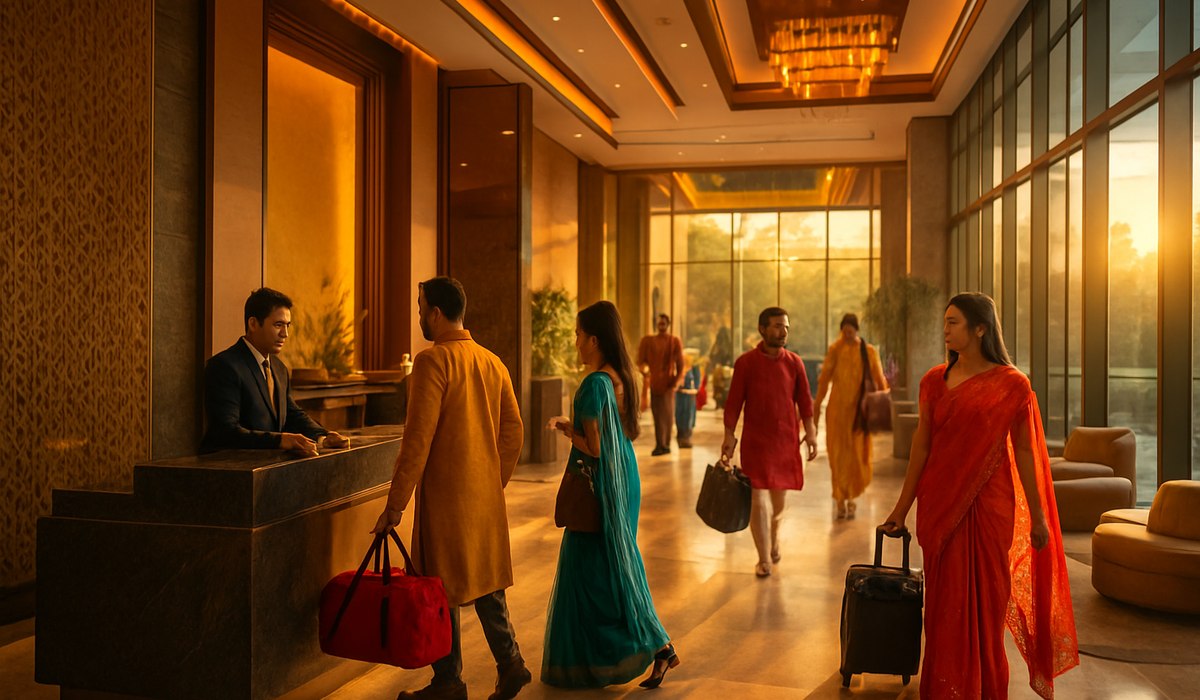
Image generated by AI
Hotel Giants India Double Down on Domestic Expansion Amid Economic Headwinds
Major hospitality chains are ramping up investment across India, banking on explosive growth in local travel to cushion against global economic uncertainties. Hotel giants including Taj Hotels, ITC Hotels, Marriott International, and Hyatt are launching aggressive expansion campaigns targeting mid-tier and budget segments where domestic travelers concentrate their spending.
The strategic shift reflects confidence in India's resilient tourism ecosystem. Domestic leisure travel has accelerated beyond pre-pandemic levels, with Indian families prioritizing weekend getaways and regional destinations. This local travel boom provides hotel giants with a stable revenue stream even as international arrivals remain volatile. Industry analysts project domestic tourism to grow 12-15% annually through 2028, making India an increasingly attractive market for global hospitality operators.
Why Hotel Chains Are Bullish on India's Domestic Market
India's middle class expansion and rising disposable incomes are fueling unprecedented demand for hotel accommodations. Domestic travelers now account for nearly 75% of room bookings at major chains, compared to 60% five years ago. This structural shift reduces dependency on international tourism, which historically fluctuates with currency valuations and geopolitical events.
Hotel giants recognize that domestic vacationers prioritize value, cleanliness, and reliable service over luxury amenities. This preference has democratized the sector, enabling chains to develop profitable mid-range properties rather than high-end resorts exclusively. Cities like Pune, Ahmedabad, Jaipur, and Chandigarh are emerging as growth hotspots, attracting hotel development at scales rivaling major metros.
The competitive advantage extends to operational efficiency. Domestic-focused properties require shorter construction timelines and lower initial capital expenditure than international luxury chains. Hotel giants leverage this model to rapidly multiply their property count across secondary and tertiary markets, establishing market presence before competitors arrive.
Government Support and Modi's Local Tourism Push
Prime Minister Narendra Modi's administration actively encourages domestic travel through infrastructure investment and tourism promotion campaigns. The "Atmanirbhar Bharat" initiative emphasizes self-reliant tourism ecosystems, with government backing for hotel development in underserved regions.
Tax incentives and infrastructure subsidies have reduced barriers to entry for hotel chains expanding beyond metropolitan centers. The Ministry of Tourism's "Incredible India" domestic marketing campaign has normalized regional travel, positioning destinations like Goa, Kerala, Rajasthan, and Northeast states as mainstream vacation choices.
Government-backed financing and land acquisition support have accelerated property development timelines. Hotel giants report reduced project completion times by 20-30%, enabling faster return on investment. This policy environment signals long-term stability and growth potential, justifying major capital commitments across India's hospitality landscape.
Expansion Plans: New Properties Across Key Regions
Hotel chains have unveiled ambitious development pipelines targeting 500+ new properties by 2028. Marriott is launching 100 new hotels across midscale and extended-stay segments, focusing on Tier 2 and Tier 3 cities. ITC Hotels plans 50 new properties emphasizing regional authenticity and local culinary experiences.
Property distribution spans established leisure destinations and emerging business hubs. Coastal regions including Goa, Kerala, and Andaman are receiving luxury beach resorts. Mountain destinations like Himachal Pradesh and Uttarakhand attract adventure-focused properties. Urban centers are seeing boutique and business hotels targeting corporate travelers and short-term leisure visitors.
The expansion strategy prioritizes locations with strong domestic connectivity via airports and highways. Hotel giants are partnering with state tourism boards to identify high-potential sites. Joint ventures with local property owners have accelerated land acquisition, enabling chains to maintain aggressive timelines while respecting regional interests and cultural sensitivities.
Economic Headwinds vs. Growth Opportunity
Global economic uncertainty presents challenges including currency volatility, rising construction costs, and labor inflation. However, hotel giants view these headwinds as manageable risks offset by India's structural growth advantages.
Domestic travel demand remains resilient because Indian consumers prioritize experiential spending even during economic slowdowns. Family vacations, religious pilgrimages, and festival celebrations drive visitation regardless of broader economic cycles. This behavioral pattern has historically insulated hospitality sectors from macroeconomic pressures.
Hotel giants are also hedging currency risk through rupee-denominated financing and operating cost adjustments. Rising construction expenses have prompted chains to standardize designs and optimize supply chains, maintaining profitability despite inflationary pressures. The strategic gamble essentially positions India as a growth counterweight to mature Western markets facing stagnation.
What Guests Get
Modern hotel properties entering the Indian market offer comprehensive amenities tailored to domestic traveler preferences. Standard features include high-speed WiFi, climate-controlled rooms, multi-cuisine restaurants, and 24-hour business centers.
Mid-range properties emphasize value through competitive room rates typically ranging from ₹3,000 to ₹8,000 nightly ($36-$96 USD). Guests access swimming pools, fitness centers, conference facilities, and efficient housekeeping services without premium pricing.
Luxury properties maintain international standards with fine dining, spa facilities, concierge services, and premium bedding. Room rates span ₹12,000 to ₹25,000+ nightly ($144-$300+ USD). Both segments increasingly feature cultural programming, local cuisine highlighting regional specialties, and sustainable practices reflecting growing environmental consciousness among Indian travelers.
Hotel chains have invested heavily in guest experience standardization, ensuring consistent service quality across all locations. Digital booking platforms, mobile check-ins, and loyalty programs simplify the reservation and stay experience, appealing to tech-savvy Indian travelers.
Key Data: Hotel Giants India Expansion Snapshot
| Metric | 2024 | 2026 | 2028 Projection |
|---|---|---|---|
| Domestic Travel Growth Rate | 9.2% | 13.8% | 15.2% |
| Hotel Giants' Properties in India | 340 | 445 | 550+ |
| Mid-Tier Room Inventory | 45,000 | 72,000 | 105,000 |
| Average Daily Room Rate (Mid-Range) | ₹4,200 | ₹4,800 | ₹5,400 |
| Domestic Guest Percentage | 68% | 75% | 78% |
| Construction Pipeline (Units) | 180 | 280 | Ongoing |
What This Means for Travelers
1. Increased Competition and Better Rates – More hotel properties entering the market enhance price competition, benefiting budget-conscious travelers. Expect promotional rates, loyalty rewards, and package deals proliferating across mid-range segments.
2. Expanded Regional Access – Domestic travelers gain convenient accommodation in previously underserved destinations. Remote regions now offer reliable hotel infrastructure, reducing barriers to exploring India's diverse landscapes and cultural sites.
3. Enhanced Service Standards – International chains elevate hospitality standards across India, establishing consistency in cleanliness, safety, and guest service. Travelers benefit from reliable experiences whether booking in metros or emerging destinations.
4. Technology Integration – Digital platforms and mobile applications streamline booking, check-in, and customer service. Seamless experiences reduce travel friction and enable spontaneous trip planning.
5. Sustainability Focus – Expanding hotel networks increasingly emphasize environmental responsibility, water conservation, and community engagement, aligning with conscious consumer preferences while supporting local economies.
FAQ
Q: Which hotel chains are leading expansion in India 2026? A: Marriott International, ITC Hotels, Taj Hotels, and Hyatt dominate expansion pipelines. These giants collectively plan 200+ new properties focusing on mid-tier segments serving domestic travelers. Strategic partnerships with local developers accelerate market entry across Tier 2 and Tier 3 cities.
Q: Why are hotel giants betting on domestic travel specifically? A: Domestic travelers now represent 75% of Indian hotel bookings, providing revenue stability
Disclaimer
This article is for informational and educational purposes only. It does not constitute legal, financial, or professional advice. While we strive to provide accurate and up-to-date information, travel policies, regulations, and conditions change rapidly. Always verify information with official sources before making travel decisions. Nomad Lawyer makes no representations about the accuracy, reliability, completeness, or suitability of the information provided. Readers should consult qualified professionals for advice specific to their circumstances. The views expressed in this article are those of the author and do not necessarily reflect the views of Nomad Lawyer.
Preeti Gunjan
Contributor & Community Manager
A passionate traveller and community builder. Preeti helps grow the Nomad Lawyer community, fostering engagement and bringing the reader experience to life.
Learn more about our team →