
Hotel de la Coupole Sapa Earns Green Globe Certification for Sustainable Luxury in Vietnam 2026
Hotel de la Coupole Sapa – MGallery Collection achieves Green Globe certification, integrating zero-waste dining and Red Dao herbal traditions into high-end hospitality.

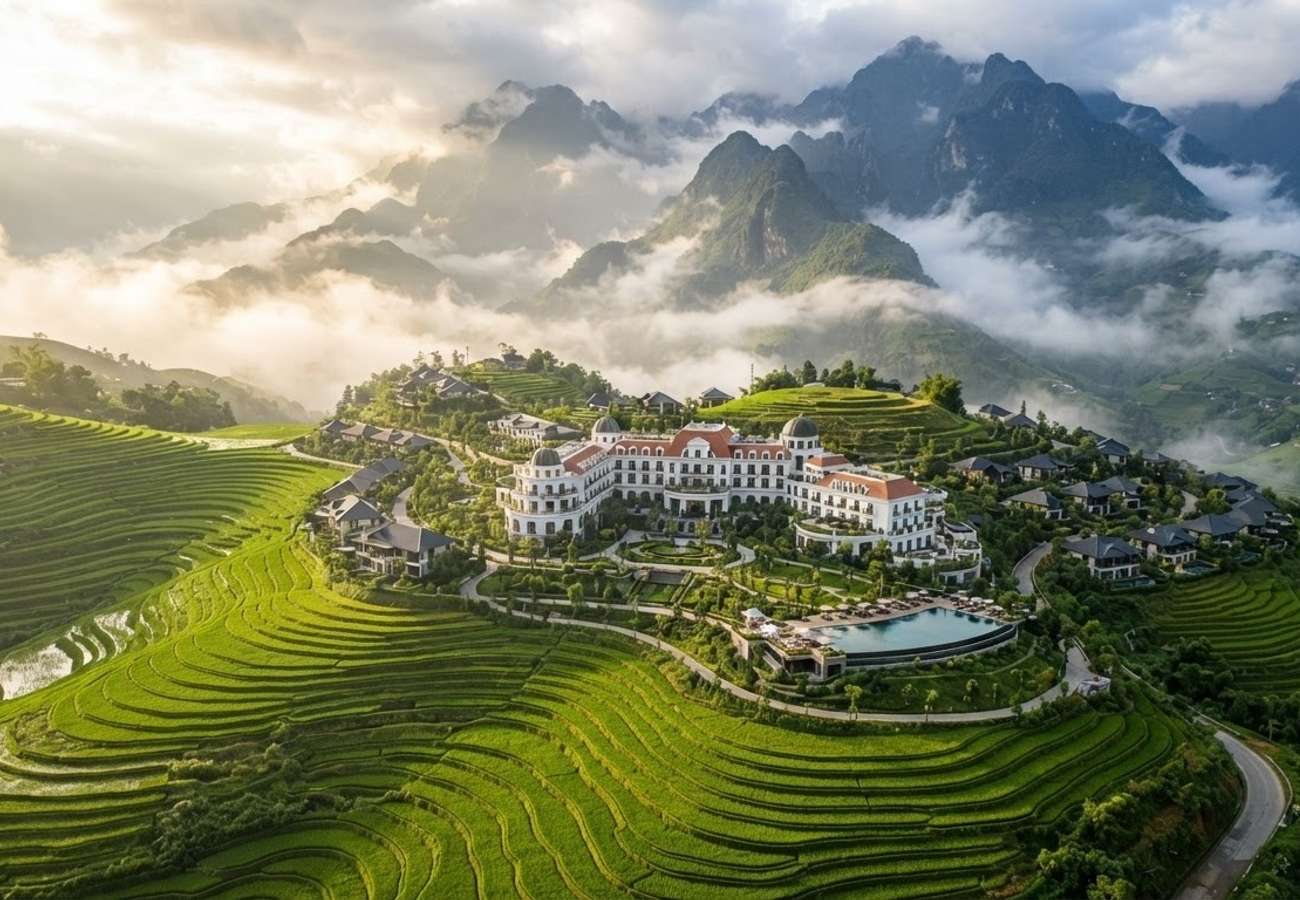
Image generated by AI
A luxury hotel in the Vietnamese highlands is now serving a signature lemon cake made entirely from food waste, proving that high-end hospitality can coexist with zero-waste principles. This culinary detail is part of a broader shift at Hotel de la Coupole Sapa – MGallery Collection, which has officially secured its first Green Globe certification.
The Shift Toward Responsible Luxury in Sapa
The achievement of the Green Globe certification is not merely a badge of honor for the hotel; it represents a systemic change in how luxury is defined in one of Vietnam's most fragile mountain ecosystems. Sapa, known for its dramatic terraced fields and ethnic minority villages, has long struggled with the tension between rapid tourism growth and environmental preservation.
By aligning with the standards set by Green Globe, Hotel de la Coupole is attempting to bridge this gap. The property is moving away from the traditional "isolated luxury" model—where guests are cocooned from the local environment—and toward a model of "integrated sustainability." This means the guest experience is now designed to actively support the surrounding community and the natural terrain rather than simply consuming it.
What Makes Hotel de la Coupole Sapa Different
While many hotels claim to be "eco-friendly," the MGallery property in Sapa is implementing measurable changes across its operations. The most striking difference lies in its commitment to the local economy. The hotel sources over 100 different ingredients from producers located within a 160-kilometre radius. This drastically reduces the carbon footprint associated with food transport and ensures that the financial benefits of luxury tourism reach the small-scale farmers of the highlands.
The hotel's approach to wellness also serves as a vehicle for cultural preservation. At the Nuages Spa, the treatments are not generic luxury offerings but are based on traditional Red Dao herbal products. By integrating these indigenous practices into a five-star setting, the hotel provides a sustainable income stream for local artisans and ensures that ancestral knowledge of mountain botany is not lost to modernization.
Technologically, the property has moved toward smart resource management. In 2025, the hotel recorded a 15% drop in energy use compared to the previous year. This was achieved through a combination of high-performance roofing materials for better thermal insulation and a sophisticated Building Management System (BMS). The use of motion sensors and automated lighting controls ensures that energy is not wasted in unoccupied areas of the expansive property. Even the swimming pool has been upgraded; the hotel replaced traditional industrial chlorine with a salt electrolysis system, providing a more natural experience for guests and reducing chemical runoff.
Visitor Insider Tips
If you are planning a stay at Hotel de la Coupole or exploring the Sapa region, keep these local insights in mind:
- Timing the Mist: Sapa is famous for its unpredictable weather. To see the terraces without the heavy fog, aim for the window between September and November. This coincides with the harvest season when the fields turn a brilliant gold.
- The Red Dao Experience: When visiting the Nuages Spa, ask about the specific origins of the herbal baths. The Red Dao people are the masters of these infusions; understanding the plants used adds a layer of depth to the treatment.
- Dining Locally: While the hotel's zero-waste lemon cake is a must-try for the sustainability-conscious traveler, venture into the town center to try "Thang Co," a traditional Hmong stew, but do so at reputable local eateries to ensure ethical sourcing.
- Transport Hack: Avoid the generic tourist shuttles. Arrange for a private electric vehicle or a guided trek through the hotel to reach the outskirts of town, reducing the noise and air pollution in the valley.
- Etiquette: When interacting with ethnic minority groups in the surrounding villages, always ask permission before taking photographs. Small, thoughtful gifts or purchasing handmade textiles directly from the weavers is preferred over tipping.
Cultural and Environmental Context
Tourism in Sapa is a double-edged sword. While it brings essential revenue to the region, it often leads to the commodification of ethnic cultures and the degradation of the mountain slopes. The Hotel de la Coupole's focus on social responsibility is an attempt to mitigate these effects.
A key example is the hotel's partnership with the Blue Dragon Children’s Foundation. By encouraging staff to participate in the Blue Dragon Walk, the hotel addresses critical social issues such as human trafficking and homelessness affecting vulnerable youth in Vietnam. This indicates a shift in the hospitality industry where the "social" pillar of ESG (Environmental, Social, and Governance) is treated with the same importance as carbon footprints.
Furthermore, the push for Green Globe certification reflects a broader trend in Vietnam Tourism to pivot toward high-value, low-impact travel. By promoting workplace equality—maintaining a balanced gender ratio in senior leadership and Head of Department roles—the hotel is also challenging traditional corporate hierarchies within the regional hospitality sector.
FAQ: Visiting Sapa 2026
What is the best time to visit Sapa? The ideal windows are March to May for blooming flowers and September to November for the golden rice terraces. Avoid the peak of the rainy season (June to August) if you want to avoid landslides and heavy fog.
How do I get to Sapa from Hanoi? The most comfortable option is the luxury sleeper bus or a private car via the highway, taking about 5-6 hours. For a more cultural experience, take the overnight train to Lao Cai and a shuttle to Sapa.
Is Sapa safe for solo travelers? Yes, Sapa is generally very safe. However, solo trekkers should avoid wandering too far off the marked trails without a local guide, as the mountain terrain can be disorienting during sudden weather shifts.
Do I need a visa for Vietnam? Most travelers require an e-visa, which can be applied for online through the official government portal. Ensure your passport is valid for at least six months beyond your intended stay.
Luxury is no longer about excess, but about the integrity of the experience.
Related Travel Guides
Disclaimer
This article is for informational and educational purposes only. It does not constitute legal, financial, or professional advice. While we strive to provide accurate and up-to-date information, travel policies, regulations, and conditions change rapidly. Always verify information with official sources before making travel decisions. Nomad Lawyer makes no representations about the accuracy, reliability, completeness, or suitability of the information provided. Readers should consult qualified professionals for advice specific to their circumstances. The views expressed in this article are those of the author and do not necessarily reflect the views of Nomad Lawyer.
Preeti Gunjan
Contributor & Community Manager
A passionate traveller and community builder. Preeti helps grow the Nomad Lawyer community, fostering engagement and bringing the reader experience to life.
Learn more about our team →