
Holland America Line Announces Massive Caribbean Expansion for 2027–2028 via Fort Lauderdale Hub
Holland America Line expands its 2027–2028 Caribbean cruise operations, leveraging Fort Lauderdale as a primary hub for Eastern, Western, and Southern island routes and Panama Canal transits.

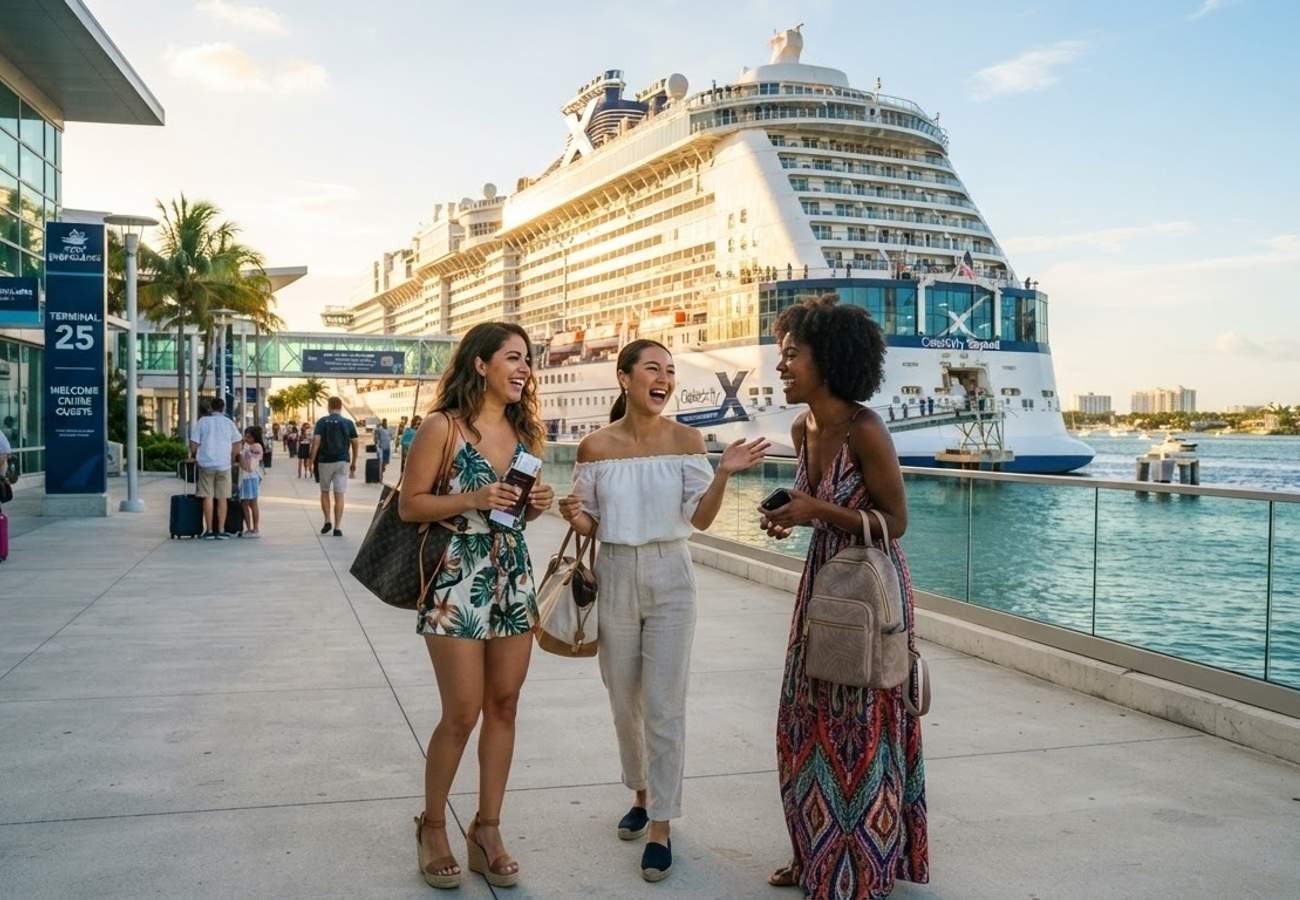
Image generated by AI
Holland America Line has designated Fort Lauderdale as the primary operational center for its 2027–2028 seasonal deployment, signaling a massive scaling of Caribbean cruise capacity.
The strategic focus on the Fort Lauderdale gateway allows the cruise line to streamline passenger flow for a diversified portfolio of voyages. This expansion covers the Eastern, Western, and Southern Caribbean, while integrating high-demand Panama Canal crossings into the seasonal schedule.
Strategic Hub Operations in Fort Lauderdale
Industry observers note that Fort Lauderdale is no longer just a departure point but a consolidated logistics hub. By centering operations here, Holland America Line can efficiently deploy multiple vessel types across varying itinerary lengths. This hub-and-spoke model optimizes the transition between short-haul regional trips and extended trans-oceanic journeys.
The 2027–2028 program utilizes this coastal advantage to maintain rapid connectivity to the Eastern Caribbean while providing the necessary operational runway for long-haul Western Caribbean and Pacific-bound routes.
Diversified Regional Itinerary Framework
The upcoming season is structured around three distinct geographic zones, each catering to different market segments:
- Eastern Caribbean: Focuses on established tourism infrastructure and marine ecosystems within tropical island chains.
- Western Caribbean: Targets Central American coastlines and ports with high cultural and historical density.
- Southern Caribbean: Emphasizes heritage tourism and natural landscapes in less-traveled island territories.
Beyond these regional circuits, the inclusion of Panama Canal transits transforms the Caribbean from a standalone destination into a critical junction for global maritime navigation, linking Atlantic and Pacific waters.
Modular Voyage Durations
Market trends suggest a shift toward "modular" travel. Holland America Line has responded by introducing a tiered duration model to capture diverse passenger demographics:
- Short-Haul (5–6 Days): High-frequency cycles designed for quick regional escapes and minimal time commitments.
- Mid-Length (7+ Days): Balanced itineraries that maximize port-to-sea ratios across multiple island groups.
- Extended Voyages (Multi-Week): Deep-immersion journeys that incorporate the Panama Canal and extensive regional coverage.
Integration of Private and Public Destinations
A core component of the 2027–2028 strategy is the balanced integration of public port calls and private island experiences in the Bahamas.
Private destinations allow the operator to maintain strict control over guest experiences and visitor capacity. By alternating these curated environments with public island ports, the cruise line distributes tourism traffic more evenly, which supports regional sustainability and ensures consistent service standards.
Regional Operational Breakdown
| Feature | 2027–2028 Program Specification |
|---|---|
| Primary Hub | Fort Lauderdale, USA |
| Geographic Zones | Eastern, Western, and Southern Caribbean |
| Key Transit Point | Panama Canal |
| Voyage Tiers | Short (5-6 days), Mid-Length, and Multi-Week |
| Destination Mix | Public Island Ports & Private Bahamas Destinations |
Why This Matters: Industry Implications
This expansion indicates a broader structural evolution in the cruise sector. The move away from "one-size-fits-all" seven-day cruises toward a flexible duration model suggests that cruise lines are aggressively targeting "time-poor" travelers (via short cruises) and "experience-seekers" (via multi-week Panama transits) simultaneously.
Furthermore, the heavy reliance on Fort Lauderdale as a consolidated hub demonstrates a trend toward operational centralization. By concentrating departures, cruise lines reduce logistical friction and can scale volume more rapidly. The integration of private islands also highlights a strategic move toward "vertical integration" of the vacation experience, where the cruise line controls every touchpoint of the journey, reducing reliance on third-party shore excursions.
Industry Outlook
Expect a continued surge in "hub-centric" deployments across the North American coast. As Holland America Line scales its Caribbean presence, other operators will likely mirror this modular approach to itinerary length to capture shifting consumer behaviors. The Panama Canal remains a primary driver for high-yield, long-haul bookings, and its continued integration into seasonal Caribbean programs will likely maintain the region's status as a global maritime crossroads.
The Caribbean cruise market is transitioning from a seasonal destination into a year-round, multi-tiered tourism ecosystem.
Related Travel Guides
Disclaimer
This article is for informational and educational purposes only. It does not constitute legal, financial, or professional advice. While we strive to provide accurate and up-to-date information, travel policies, regulations, and conditions change rapidly. Always verify information with official sources before making travel decisions. Nomad Lawyer makes no representations about the accuracy, reliability, completeness, or suitability of the information provided. Readers should consult qualified professionals for advice specific to their circumstances. The views expressed in this article are those of the author and do not necessarily reflect the views of Nomad Lawyer.
Preeti Gunjan
Contributor & Community Manager
A passionate traveller and community builder. Preeti helps grow the Nomad Lawyer community, fostering engagement and bringing the reader experience to life.
Learn more about our team →