
United Airlines Boeing 737 Takes Off With Bee Swarm on Wing in Rare Cancun Incident
Breaking airline news and aviation industry updates for 2026.

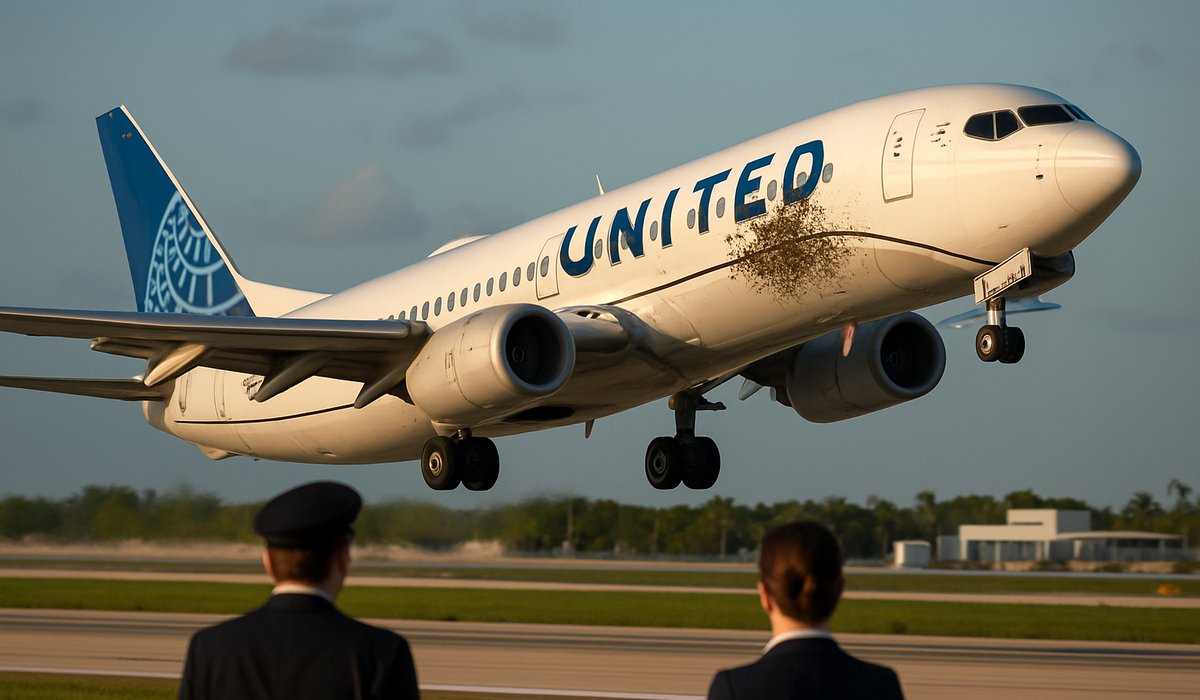
Image generated by AI
United Airlines Boeing 737 Takes Off With Bee Swarm on Wing in Rare Cancun Incident
Pilot powers through unexpected wildlife hazard during takeoff roll at Mexican resort destination
Unusual Wildlife Encounter Disrupts Operations at Cancun Hub
A United Airlines Boeing 737 encountered an extraordinary pre-flight challenge at Cancun International Airport when a dense swarm of bees colonized the aircraft's wing moments before departure. Rather than delay the flight, the captain made the decisive choice to accelerate through takeoff, dispersing the insects during the takeoff roll—an incident that has since circulated widely across social media platforms and aviation communities.
Video footage captured during the incident shows hundreds of bees clustered beneath a section of the aircraft's wing while the plane remained stationary on the tarmac. The swarm, likely seeking shelter or responding to environmental conditions common in Mexico's Yucatan Peninsula, presented an unusual operational challenge for ground and flight crews.
Split-Second Decision in the Cockpit
Facing a decision between costly ground delays and immediate departure, the pilot opted for swift action. As the 737 began its takeoff roll, the aerodynamic forces and engine thrust generated sufficient velocity to dislodge and scatter the bee colony, clearing the wing surface of the hazardous passengers before the aircraft lifted off.
This unconventional solution avoided the operational disruptions that would accompany grounding the aircraft for bee removal—a process that can require specialized wildlife handlers and result in significant schedule delays, particularly at busy tourist destinations like Cancun.
Growing Operational Challenges in Aviation
The incident underscores the unpredictable nature of aircraft operations, particularly at international airports in tropical regions where wildlife encounters present emerging operational risks. While bird strikes remain the most documented wildlife-related aviation hazard, insect swarms pose distinct challenges due to their unpredictable clustering behavior and potential to affect aerodynamic surfaces.
United Airlines, one of the world's largest carriers operating extensive Latin American routes, regularly faces environmental variables at Mexican hub airports. The Cancun facility, serving millions of leisure and business travelers annually, operates in an ecosystem where such wildlife interactions, though unusual, remain possible during peak seasons.
Industry Perspective on Wildlife Management
Aviation authorities and ground service providers continue developing protocols for managing unexpected wildlife encounters without compromising flight safety or operational efficiency. Most major carriers maintain relationships with wildlife management specialists, though immediate action during active takeoff operations remains a rare but documented response to urgent situations.
The incident, captured and shared online, generated considerable discussion within aviation communities about unconventional problem-solving in commercial aviation settings.
FAQ: Bee Swarms, Flight Operations, and Aviation Safety
Can bee swarms damage aircraft or affect flight safety? While bee swarms are uncommon on aircraft, they generally pose minimal structural risk. However, they can affect aerodynamic surfaces and cause delays if ground crews require time to remove them. Pilots prioritize crew and passenger safety above all operational considerations.
How often do airlines encounter wildlife hazards during takeoff? Bird strikes occur approximately 13,000 times annually across global aviation, but bee swarm incidents remain exceptionally rare. Most wildlife encounters occur during landing and takeoff phases when aircraft operate at lower altitudes.
What are standard protocols for removing bees from aircraft? Ground crews typically contact local wildlife specialists or beekeepers who can safely relocate swarms without harming the insects or damaging the aircraft. Complete removal usually requires 30 minutes to several hours.
Does this incident affect airline operations at Cancun International Airport? Cancun International handles millions of passengers annually with established procedures for environmental challenges. Single incidents rarely affect broader operational patterns, though airports may adjust protocols based on seasonal wildlife patterns.
Are tropical airports more vulnerable to insect-related incidents? Yes, airports in warm, humid climates experience higher biodiversity and insect activity, making wildlife encounters more probable during certain seasons compared to temperate-zone facilities.
Related Travel Guides
External Resources
Disclaimer
This article is for informational and educational purposes only. It does not constitute legal, financial, or professional advice. While we strive to provide accurate and up-to-date information, travel policies, regulations, and conditions change rapidly. Always verify information with official sources before making travel decisions. Nomad Lawyer makes no representations about the accuracy, reliability, completeness, or suitability of the information provided. Readers should consult qualified professionals for advice specific to their circumstances. The views expressed in this article are those of the author and do not necessarily reflect the views of Nomad Lawyer.
Raushan Kumar
Founder & Lead Developer
Full-stack developer with 11+ years of experience and a passionate traveller. Raushan built Nomad Lawyer from the ground up with a vision to create the best travel and law experience on the web.
Learn more about our team →