
American Airlines Raises the Bar for Executive Platinum Status in 2026: What It Takes to Reach Elite Tier
Breaking airline news and aviation industry updates for 2026.

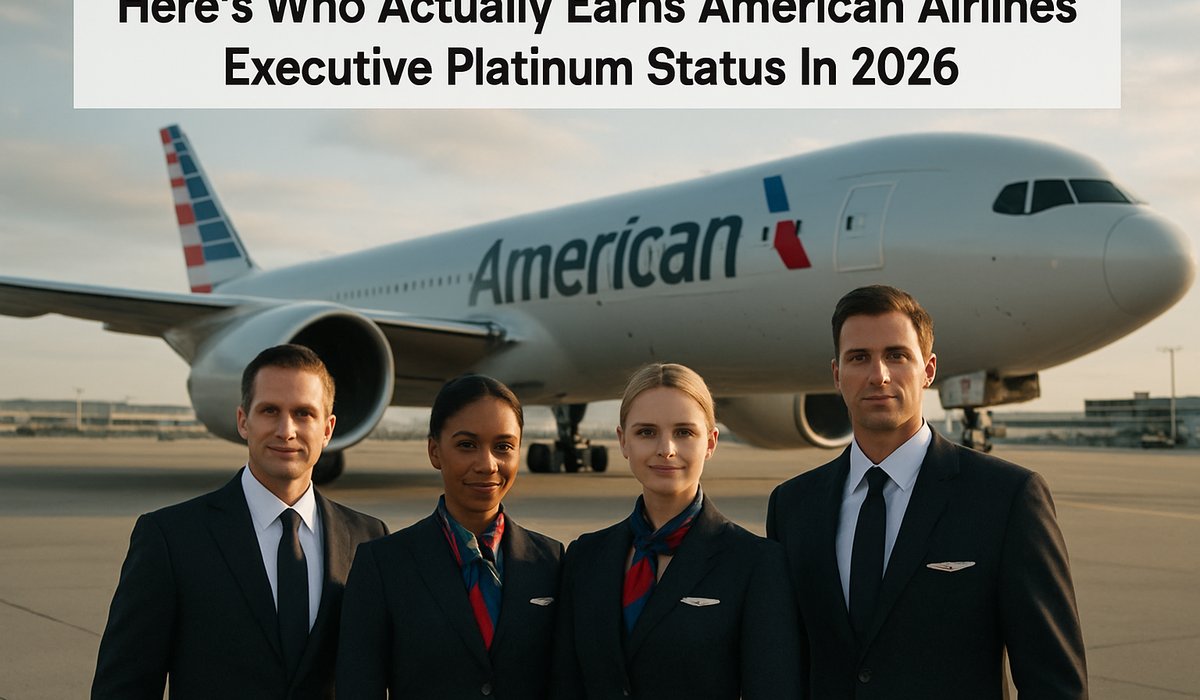
Image generated by AI
American Airlines Raises the Bar for Executive Platinum Status in 2026: What It Takes to Reach Elite Tier
As loyalty programs become critical revenue drivers for carriers, American Airlines tightens qualification thresholds for its most coveted frequent flyer tier
The Evolution of Airline Loyalty Programs
When American Airlines introduced AAdvantage in the 1980s, it fundamentally transformed how airlines engaged with their most valuable customers. What began as a novel concept to reward frequent travelers has matured into a multi-billion-dollar industry vertical that now rivals some airlines' core operations in profitability. More than four decades after its debut, the program remains a cornerstone of American's competitive strategy—and its increasingly stringent qualification requirements signal a broader industry shift toward protecting elite tiers from dilution.
Executive Platinum Status Faces Stiffer Requirements
American Airlines is tightening access to its Executive Platinum tier, the most prestigious rung on its loyalty ladder, as the carrier recalibrates its program structure for 2026. The move reflects a deliberate strategy to maintain the exclusivity and perceived value of elite status among the traveling elite, particularly as loyalty programs have evolved from customer retention tools into sophisticated revenue-generation engines.
The decision underscores a fundamental reality in modern aviation: frequent flyer programs now generate margins comparable to—or sometimes exceeding—traditional airline operations. As carriers vie for high-value business travelers and premium leisure segments, protecting the integrity of elite tiers becomes paramount. When too many passengers achieve top-tier status, the benefits lose cachet and the program's financial model deteriorates.
Industry-Wide Trend Toward Consolidation
American's move aligns with a broader industry pattern. Major carriers including United Airlines, Delta Air Lines, and Southwest Airlines have similarly adjusted qualification metrics in recent years, seeking to concentrate benefits among genuinely high-value customers rather than dispersing them across inflated membership bases.
The timing is significant. As jet fuel prices remain volatile and labor costs surge across the aviation sector, airlines are increasingly reliant on ancillary revenue—including frequent flyer program sales, premium seat assignments, and baggage charges—to offset operational pressures. A well-calibrated loyalty program that generates substantial merchandising revenue while maintaining aspirational prestige has become essential to profitability.
What This Means for Travelers
For consumers, the implications are clear: reaching elite status on major carriers will require demonstrating higher spending levels or flight frequency in 2026. This development may particularly affect business travelers who juggle multiple airline partnerships and casual leisure flyers who accumulate miles incrementally.
American's recalibration suggests that the golden era of relatively accessible elite status—where moderate frequent flyers could secure premium benefits—may be contracting. Loyalty program exclusivity directly correlates with perceived value, meaning carriers must continuously adjust thresholds to prevent status inflation from undermining program economics.
FAQ: American Airlines Elite Status and Airline Loyalty Programs
Q: Why are airlines making elite status harder to achieve? A: Loyalty programs generate substantial revenue through credit card partnerships, mile sales, and premium seat upgrades. Tighter qualification requirements protect program prestige and profitability by concentrating benefits among the highest-spending customers.
Q: How do airline loyalty programs impact ticket prices? A: Programs influence pricing by creating customer lock-in, allowing carriers to sustain premium fares. Passengers willing to chase elite status often prioritize one airline, reducing price sensitivity.
Q: What's the financial impact of frequent flyer programs on airlines? A: For major carriers, loyalty program revenue—including credit card partnerships and mile redemptions—can represent 20-30% of total ancillary income, sometimes exceeding $2-3 billion annually.
Q: Are other airlines following American's lead on tighter elite requirements? A: Yes. Delta, United, and other full-service carriers have implemented similar adjustments, reflecting industry-wide recognition that program consolidation enhances profitability.
Q: How do jet fuel prices influence airline loyalty program changes? A: Rising operational costs force carriers to maximize ancillary revenue. Stricter loyalty programs ensure better profitability per elite member, offsetting fuel cost volatility and labor expense increases.
Related Travel Guides
-
Delta Air Lines Expands Ultra-Long-Haul Network in 2026: New 17-Hour Routes Transform Global Travel
-
New Orleans Airport Disruptions: United, Delta, and American Cancel 3 Flights, Log 36 Delays
External Resources
Disclaimer
This article is for informational and educational purposes only. It does not constitute legal, financial, or professional advice. While we strive to provide accurate and up-to-date information, travel policies, regulations, and conditions change rapidly. Always verify information with official sources before making travel decisions. Nomad Lawyer makes no representations about the accuracy, reliability, completeness, or suitability of the information provided. Readers should consult qualified professionals for advice specific to their circumstances. The views expressed in this article are those of the author and do not necessarily reflect the views of Nomad Lawyer.
Kunal K Choudhary
Co-Founder & Contributor
A passionate traveller and tech enthusiast. Kunal contributes to the vision and growth of Nomad Lawyer, bringing fresh perspectives and driving the community forward.
Learn more about our team →