
$6 Billion Debt Crisis Looms Over New York JFK's Ambitious Terminal 1 Overhaul
Breaking airline news and aviation industry updates for 2026.

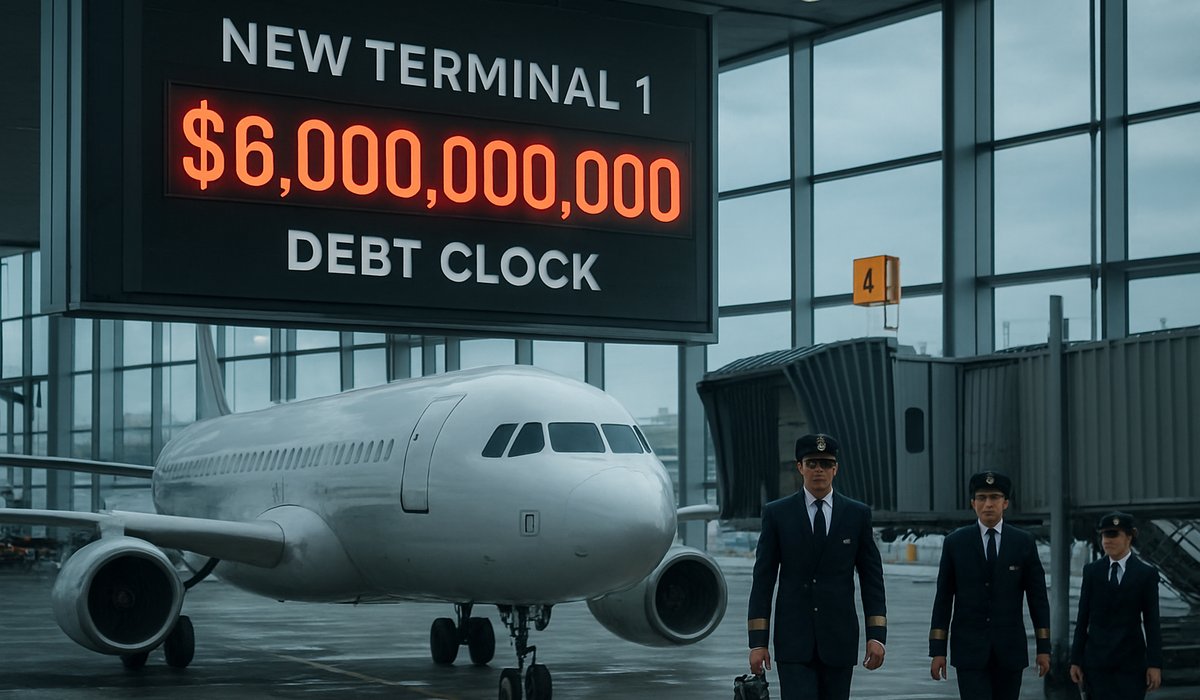
Image generated by AI
$6 Billion Debt Crisis Looms Over New York JFK's Ambitious Terminal 1 Overhaul
Major infrastructure project faces mounting financial pressure as completion date slips toward 2030
New York's John F. Kennedy International Airport is racing against time and a ballooning debt clock as construction on its flagship Terminal 1 continues to consume capital at an alarming rate. The massive infrastructure initiative, designed to replace aging facilities with a state-of-the-art hub, carries a price tag that has become increasingly difficult for stakeholders to manage, with debt obligations now exceeding $6 billion as the project extends toward the end of this decade.
A Vision for Modern Aviation Infrastructure
The redesigned Terminal 1 promises to transform passenger experience across North America's busiest international gateway. Once completed in 2030, the facility will claim the distinction of being the largest terminal in the United States, fundamentally reshaping how millions of travelers experience the airport annually.
The modernized terminal addresses long-standing operational bottlenecks that have plagued JFK for years. The new infrastructure will eliminate chronic gate delays, expand retail and dining offerings substantially, and provide significantly enhanced parking capacity—amenities that current facilities cannot adequately support. The expanded footprint and advanced design represent a generational upgrade for one of America's most critical aviation hubs.
The Financial Burden Mounting
Yet beneath these ambitious plans lies a stark financial reality: the project's extraordinary cost is straining the airport's financial model. The accumulated debt burden of $6 billion reflects not only construction complexity but also inflationary pressures, labor cost escalations, and extended timelines that have characterized major infrastructure development across North America in recent years.
This fiscal challenge arrives as the aviation industry grapples with broader economic headwinds. Rising jet fuel prices, evolving passenger fee structures—from baggage charges to ancillary aviation revenue streams—and competitive pressures on airline margins have reshaped airport financing dynamics. Infrastructure debt of this magnitude represents a significant financial obligation that will shape airport operations and potentially passenger costs for decades.
Industry-Wide Implications
The Terminal 1 situation underscores a critical tension facing major aviation hubs nationwide: the imperative to modernize infrastructure versus the mounting costs of execution. As airports compete globally for premium carriers and international traffic, capital investments have become non-negotiable—yet increasingly difficult to finance sustainably.
Stakeholders are now confronting difficult questions about cost management, phased completion timelines, and revenue generation strategies. How the aviation industry finances and executes such mega-projects will establish precedents for other airport modernization efforts across North America and internationally.
FAQ: JFK Terminal 1 Project & Aviation Infrastructure Costs
Q: Why is the new JFK Terminal 1 so expensive? A: The $6 billion cost reflects construction complexity, labor expenses, inflationary pressures, extended timelines, and modern technological integration required for a world-class international aviation facility.
Q: How will airport debt affect passenger airline fees? A: Airport operators typically recover infrastructure costs through landing fees and terminal charges, which airlines ultimately pass to passengers through ticket pricing and ancillary fees.
Q: When will Terminal 1 actually open? A: Current projections target completion in 2030, though infrastructure projects of this scale frequently experience timeline extensions.
Q: How does JFK's debt compare to other major US airports? A: Major hub airports nationwide are undertaking similar billion-dollar modernization initiatives, making JFK's situation representative of broader industry capital challenges.
Q: Will the new terminal reduce flight delays? A: Yes; expanded gate capacity and modern infrastructure design should significantly decrease aircraft holding patterns and improve operational efficiency.
Related Travel Guides
-
Travel Israeli Airspace Closure: Southeast Asia Routes Rerouted Until April 2026
-
Ryanair Demands Urgent Delay of EU Entry/Exit System Before Summer
External Resources
Disclaimer
This article is for informational and educational purposes only. It does not constitute legal, financial, or professional advice. While we strive to provide accurate and up-to-date information, travel policies, regulations, and conditions change rapidly. Always verify information with official sources before making travel decisions. Nomad Lawyer makes no representations about the accuracy, reliability, completeness, or suitability of the information provided. Readers should consult qualified professionals for advice specific to their circumstances. The views expressed in this article are those of the author and do not necessarily reflect the views of Nomad Lawyer.
Raushan Kumar
Founder & Lead Developer
Full-stack developer with 11+ years of experience and a passionate traveller. Raushan built Nomad Lawyer from the ground up with a vision to create the best travel and law experience on the web.
Learn more about our team →