
Boeing's Autonomous MQ-25 Stingray Marks Watershed Moment for Pilotless Naval Aviation
Breaking airline news and aviation industry updates for 2026.

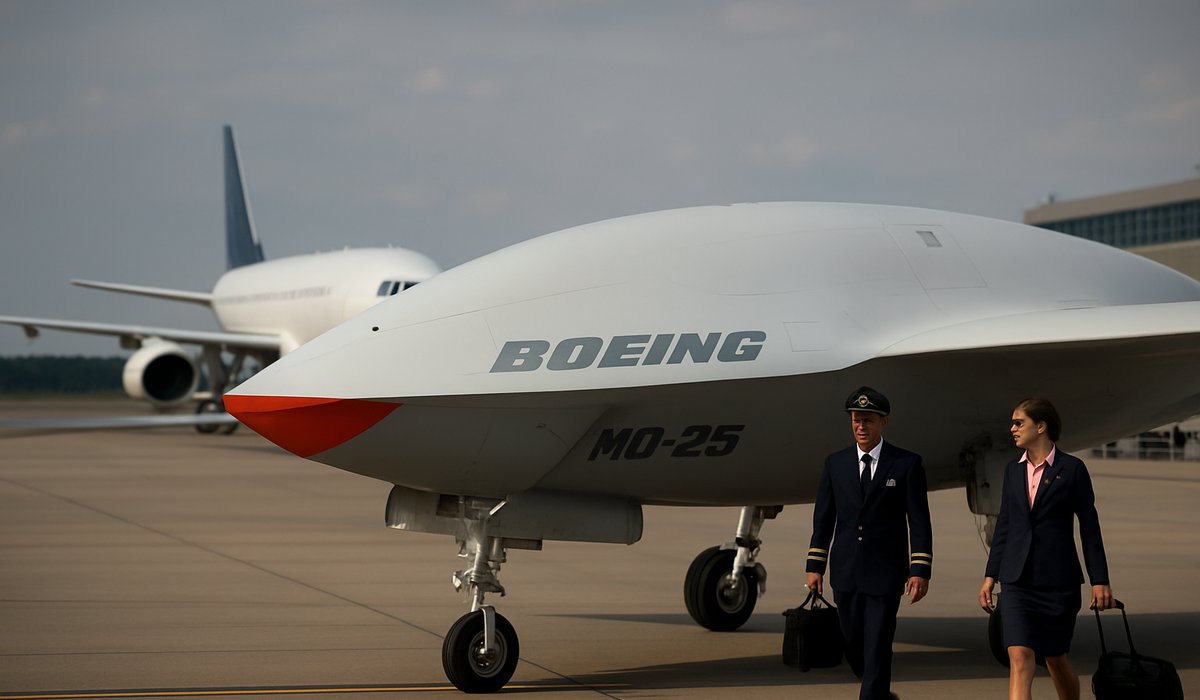
Image generated by AI
Boeing's Autonomous MQ-25 Stingray Marks Watershed Moment for Pilotless Naval Aviation
The US Navy's first carrier-based unmanned aircraft enters low-rate production, eliminating human pilots from one of military aviation's most hazardous operations
Unmanned Refueling Revolution Takes Flight
Boeing has achieved a critical milestone with its MQ-25 Stingray, transitioning the groundbreaking autonomous aircraft into low-rate initial production following a successful maiden flight of a fully operational prototype in April. The development represents a fundamental shift in naval aviation strategy, as the platform prepares to become the first crewless aircraft integrated into active US Navy Carrier Air Wing operations.
The technological advancement embedded within the Stingray signals far more than simply removing a pilot from the cockpit. Instead, the aircraft represents a generational breakthrough in autonomous aviation systems—introducing capabilities that transcend conventional remote-piloting models and usher in a new era of machine-independent flight operations.
Beyond Remote Control: True Autonomous Innovation
The distinction between traditional remotely-piloted aircraft and the MQ-25's capabilities proves crucial to understanding its strategic importance. Rather than requiring constant human intervention and real-time controls from ground-based operators, the Stingray employs advanced autonomous systems that enable independent decision-making during complex carrier operations.
This architectural approach addresses one of naval aviation's most dangerous responsibilities: mid-air refueling missions. Historically, these operations have exposed pilot crews to significant risk—operating at low altitude over open ocean while maintaining precise formation flying with receiving aircraft. By removing human operators from this inherently hazardous environment, the Navy substantially reduces casualty exposure while maintaining operational capability.
Strategic Implications for Naval Aviation
The MQ-25's integration into Carrier Air Wings carries substantial implications for future fleet operations. As the platform advances through remaining testing phases, naval commanders gain a dedicated, persistent refueling asset capable of extending the operational radius of crewed fighter aircraft without exposing additional personnel to combat or environmental risks.
Boeing's achievement follows years of intensive development within the Navy's Carrier-based Aerial-refueling System (CBARS) program. The transition to low-rate production indicates successful completion of critical developmental milestones and growing confidence in the platform's reliability for fleet deployment.
The Stingray's autonomous architecture positions it as a template for future unmanned naval systems, potentially influencing procurement decisions across multiple branches of the US armed forces and allied nations evaluating similar capabilities.
FAQ: Understanding the MQ-25 Stingray Program
Q: What makes the MQ-25 different from remotely-piloted drones? A: The Stingray operates autonomously with onboard decision-making systems, rather than requiring constant pilot control from remote locations, enabling safer independent operations during carrier refueling missions.
Q: Why is the MQ-25 safer than traditional crewed refueling aircraft? A: By removing human operators from mid-air refueling—historically a high-risk naval aviation task—the platform eliminates personnel exposure to the dangers of low-altitude ocean operations and formation flying complications.
Q: When will the MQ-25 enter operational fleet service? A: Following completion of current testing phases and low-rate production validation, the aircraft is expected to achieve initial operational capability within the coming years.
Q: How does this technology impact future military aviation? A: The MQ-25 establishes autonomous systems as viable alternatives for hazardous missions, likely influencing development of future unmanned platforms across defense sectors.
Q: What is the aircraft's primary mission function? A: The MQ-25 Stingray serves as a carrier-based aerial refueling platform, extending the combat radius and endurance of crewed naval fighter aircraft operating from aircraft carriers.
Related Travel Guides
-
Lufthansa Slashes 23 International Routes in Major European Network Overhaul
-
Narrow Escape at Denver: How 11 Knots Prevented Frontier Airlines Disaster on Runway
-
Atlanta Airport ICE Deployment: TSA Delays Hit Record High in March 2026
External Resources
Disclaimer
This article is for informational and educational purposes only. It does not constitute legal, financial, or professional advice. While we strive to provide accurate and up-to-date information, travel policies, regulations, and conditions change rapidly. Always verify information with official sources before making travel decisions. Nomad Lawyer makes no representations about the accuracy, reliability, completeness, or suitability of the information provided. Readers should consult qualified professionals for advice specific to their circumstances. The views expressed in this article are those of the author and do not necessarily reflect the views of Nomad Lawyer.
Raushan Kumar
Founder & Lead Developer
Full-stack developer with 11+ years of experience and a passionate traveller. Raushan built Nomad Lawyer from the ground up with a vision to create the best travel and law experience on the web.
Learn more about our team →