
Beyond the Beach Resort: How Hawai‘i's 'New Wave' Campaign Puts Native Forests, Watermen, and Chinatown Chefs at the Center of Island Travel
Hawai‘i Tourism Oceania and Adventure.com launch the 'New Wave' initiative, spotlighting paniolo forest stewards, ocean watermen, and Chinatown culinary innovators.

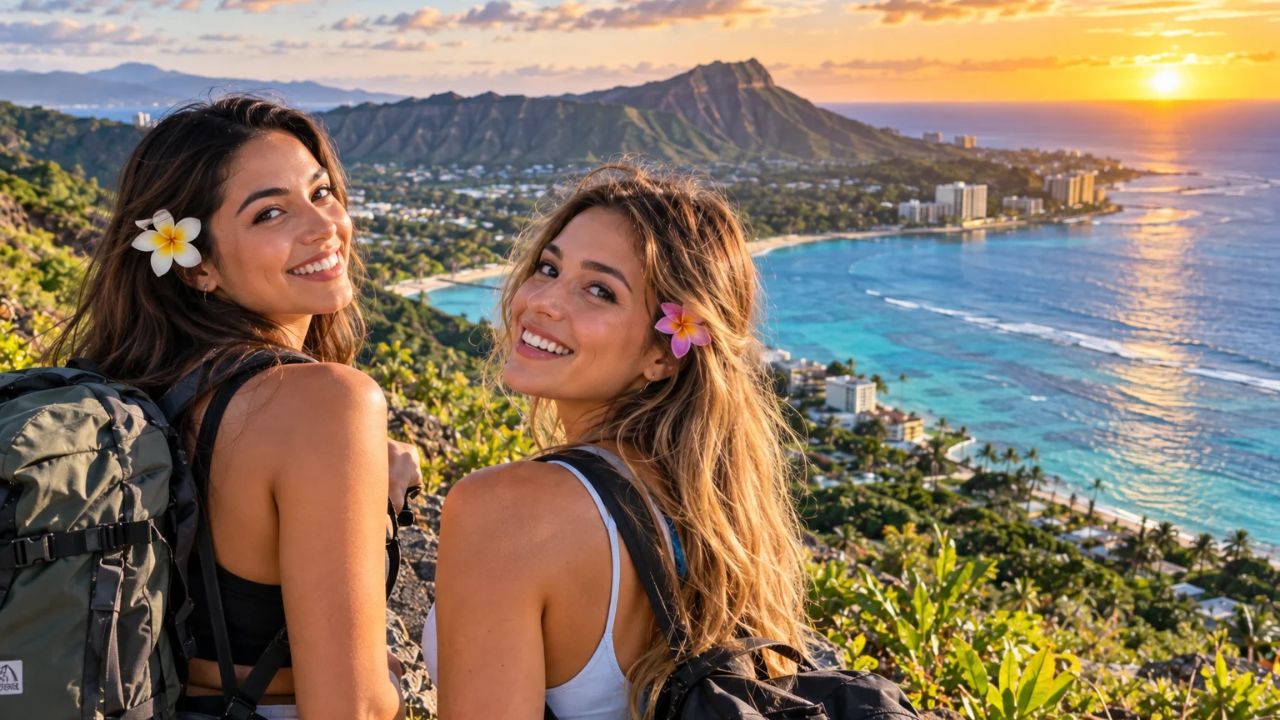
Image generated by AI
More than 80 percent of visitors to Hawai‘i spend their vacations within a two-mile perimeter of resort hotel strips, rarely encountering the living cultures, high-elevation ranchlands, or grassroots conservation projects that sustain the archipelago. In response to growing calls for tourism balance, Hawai‘i Tourism Oceania and Adventure.com have launched "New Wave," a dedicated initiative shifting promotional focus away from conventional postcard scenery to highlight local residents actively regenerating island ecosystems and urban communities.
Redefining Island Travel Through Community Stewards
Running throughout September and October 2026 across digital channels, mini-documentaries, and editorial features, the campaign represents a deliberate break from traditional destination marketing. Filmed on location across Maui and O‘ahu by managing editor Tayla Gentle and videographer Liam Neal alongside Hawaiian filmmaker George Y. Russell, the series profiles three distinct community leaders:
- Kuʻunahenani ‘Nahe’ Keakealani: A paniolo cowgirl and cultural steward dedicating her life to native upland forest restoration, watershed protection, and the preservation of generational ranching traditions.
- Zane Kekoa Schweitzer: An internationally acclaimed waterman and ocean advocate using hands-on water sports clinics to mentor local youth in reef ecology and marine conservation.
- Peter Hessler: A Chinese-Hawaiian chef and mixologist foraging native botanicals and regional crops to create inclusive community spaces in historic Honolulu Chinatown.
By following these individuals through upland cattle ranches, breaking surf reefs, and urban heritage markets, the project illustrates how mindful travelers can align their spending with environmental protection and authentic cultural respect.
What Makes Contemporary Hawaiian Tourism Different
Hawai‘i's evolving visitor model moves beyond passive sightseeing toward active reciprocity, rooted in the core concept of mālama—to care for, protect, and preserve. Rather than viewing the islands as an amusement backdrop, travelers are encouraged to participate directly in community-led initiatives that protect endemic flora and fauna from invasive species.
Culinary exploration has similarly transformed. In Honolulu's Chinatown, traditional multi-generational immigrant storefronts and historic brick architecture now house progressive kitchens where chefs like Peter Hessler integrate indigenous ingredients like kalo (taro), ‘ulu (breadfruit), and local seaweeds into modern menus. This urban culinary revival pairs gastronomy with social inclusion, creating gathering places that welcome diverse local and international travelers alike.
In the uplands, paniolo culture offers a window into a heritage that predates the American West by decades. Exploring working ranch districts allows visitors to observe how rotational grazing and native tree planting help stabilize volcanic soils, prevent ridge-to-reef runoff, and preserve clean ocean waters along downstream coral reefs.
Visitor Insider Tips
- Engaging Chinatown Responsibly: Visit Honolulu Chinatown between 9:00 AM and 2:00 PM for open market browsing, dim sum tea houses, and historical walking tours, then return in the evening for dinner at independent chef-driven bistros around Nu‘uanu Avenue and Smith Street.
- Supporting Indigenous Agroforestry: Reserve half a day during your Maui or O‘ahu itinerary to participate in a guided volunteer work day planting koa or ‘ōhi‘a seedlings through programs coordinated by the Department of Land and Natural Resources (DLNR).
- Ocean Etiquette: When swimming or paddleboarding, always use mineral-only, non-nano zinc sunscreen complying with state legislation to avoid bleaching fragile coral heads. Maintain a minimum distance of 10 feet from resting green sea turtles (honu) and 50 feet from Hawaiian monk seals.
- Paniolo Country Exploration: Venture beyond coastal resort roads by taking Route 37 through Upcountry Maui or exploring Waimea on Hawai‘i Island. Stop at local farm stands and heritage butcher shops to support ranching families directly.
Cultural and Environmental Context
The transition toward regenerative travel is central to policies outlined by the Hawai‘i Tourism Authority, which seeks to manage visitor capacity while elevating local quality of life. The agency's Destination Management Action Plans prioritize community-vetted experiences that funnel tourism revenues into trail upkeep, Hawaiian language revitalization, and shoreline protection.
Partnering with global storytellers like Adventure.com allows tourism representatives to communicate visitor responsibility through genuine resident perspectives. Travelers seeking verified community-led cultural tours and volunteering opportunities can consult official resources on Go Hawaii.
FAQ: Visiting Hawai‘i in 2026
What is the purpose of the 'New Wave' campaign?
The initiative highlights local Hawaiian leaders in forestry, ocean advocacy, and culinary arts, encouraging visitors to engage in respectful, community-focused travel beyond traditional resort areas.
How can visitors get involved in native forest restoration?
Travelers can join scheduled volunteer workdays through non-profit land trusts and state forestry reserves on Maui, O‘ahu, Kaua‘i, and Hawai‘i Island, helping plant native trees and remove invasive plants.
What are the main attractions in Honolulu's Chinatown?
Chinatown features historic 19th-century architecture, fresh fruit markets, traditional herbalists, modern pan-Asian eateries, art galleries, and craft cocktail venues centered around Nu‘uanu Avenue.
Are mineral sunscreens mandatory throughout Hawai‘i?
Yes. Hawai‘i state law bans the sale and distribution of over-the-counter sunscreens containing oxybenzone and octinoxate to protect coral reefs from chemical toxicity.
Experiencing Hawai‘i through the eyes of its forest stewards, watermen, and local chefs transforms a standard vacation into a lasting connection with island life.
Disclaimer
This article is for informational and educational purposes only. It does not constitute legal, financial, or professional advice. While we strive to provide accurate and up-to-date information, travel policies, regulations, and conditions change rapidly. Always verify information with official sources before making travel decisions. Nomad Lawyer makes no representations about the accuracy, reliability, completeness, or suitability of the information provided. Readers should consult qualified professionals for advice specific to their circumstances. The views expressed in this article are those of the author and do not necessarily reflect the views of Nomad Lawyer.
Kunal K Choudhary
Co-Founder & Contributor
A passionate traveller and tech enthusiast. Kunal contributes to the vision and growth of Nomad Lawyer, bringing fresh perspectives and driving the community forward.
Learn more about our team →