
Dominica Slow Travel Guide: How Mature Travelers Can Experience the Nature Island in Comfort
Dominica offers mature travelers an unhurried Caribbean escape featuring mineral springs, easy rainforest viewpoints, Kalinago heritage, and peaceful river excursions.

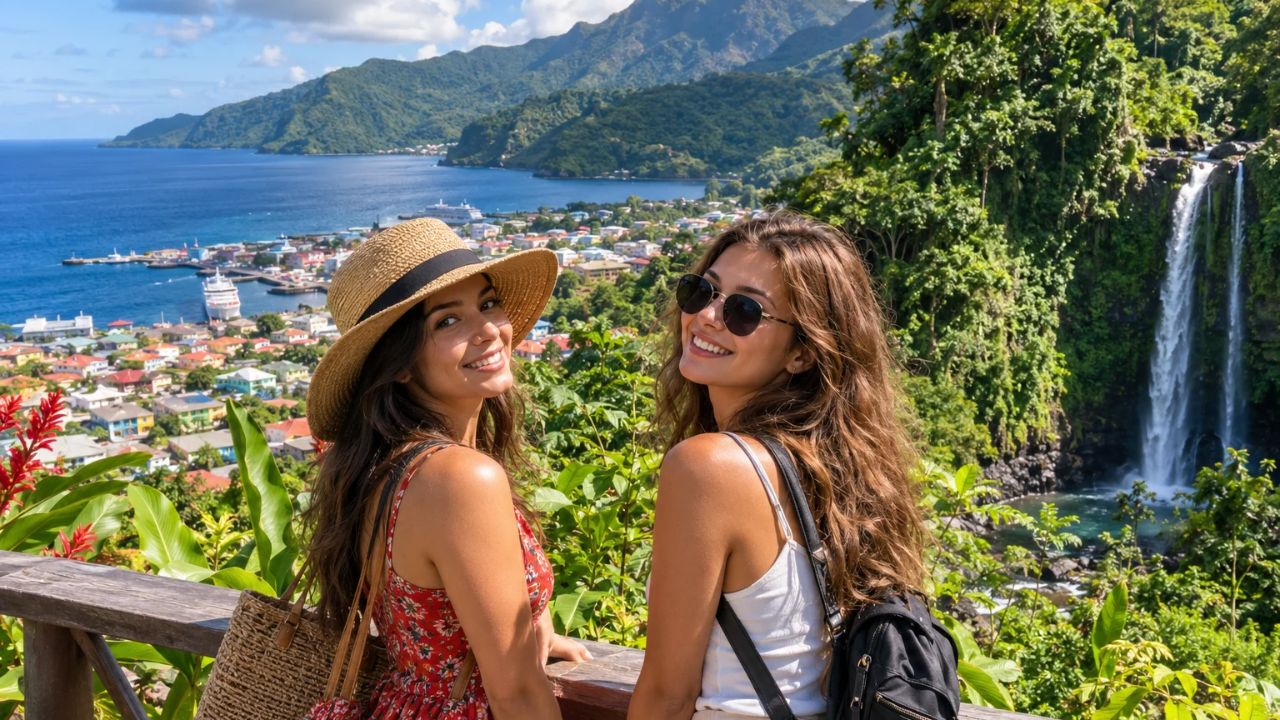
Image generated by AI
Unlike almost every Caribbean neighbor, Dominica has deliberately avoided mega-resort developments and cruise port strips, preserving over 60 percent of its landmass under protected forest cover and national park boundaries. While the island carries a reputation for demanding mountain treks like the Boiling Lake, a thoughtfully curated journey allows older couples to immerse themselves in mineral springs, indigenous craft traditions, and quiet waterways without facing physical strain.
The Nature Island's Pivot to High-Comfort Slow Tourism
Dominica is increasingly shaping itineraries around unhurried, low-impact exploration rather than rapid sightseeing. Because the island's volcanic terrain rises sharply from the sea, standard group excursions often force travelers into exhausting schedules along winding mountain corridors. Shifting the travel focus toward private local drivers, dedicated guides, and paced single-region stays unlocks the territory's scenic wonders while eliminating logistical stress.
Travelers who base their first few days around the southern capital of Roseau gain immediate proximity to calm botanical reserves and the Roseau Valley's thermal features. Transitioning later to Portsmouth and Prince Rupert Bay opens access to sheltered coastal waters, colonial fortifications, and bird-rich wetlands. This two-base structure cuts down daily vehicle transit times, giving visitors ample daylight to savor regional dining and sea vistas at their own rhythm.
What Makes Dominica's Environment and Culture Unique
Dominica's volcanic geology creates accessible natural encounters found nowhere else in the Eastern Caribbean. Just a 20-minute drive from Roseau, the twin cascades of Trafalgar Falls are reachable via a well-maintained 10 to 15-minute boardwalk path. Visitors can observe the cold water stream and sulfur-tinted flow from the elevated viewing pavilion without navigating boulder fields or wet river crossings.
In nearby Wotten Waven, natural geothermal fissures heat outdoor pools enriched with volcanic minerals, where established eco-facilities provide handrails, secure steps, and changing facilities for relaxed bathing. Further north, the protected rainforest of Morne Trois Pitons National Park shelters the Emerald Pool, where a gentle perimeter trail offers canopy views without requiring strenuous descents.
Along the north coast near Portsmouth, the Indian River provides an effortless look into untouched riparian ecosystems. Hand-rowed wooden bumboats glide through quiet mangrove tunnels where motorboats are legally prohibited to protect marine life and waterfowl. On the eastern Atlantic coast, the 3,700-acre Kalinago Territory preserves the traditions, cassava baking, and basket-weaving heritage of the Caribbean's last remaining pre-Columbian indigenous community.
Visitor Insider Tips
- Transport Strategy: Never attempt self-driving on interior roads if you are unfamiliar with sharp switchbacks, steep single-lane inclines, and sudden mountain downpours. Hire a certified local chauffeur through the Discover Dominica Authority to ensure steady transit and flexible photo stops.
- Footwear and Gear: Pack lightweight, closed-toe walking shoes with sticky rubber soles. Mountain mist and intermittent tropical showers can make timber steps and stone lookouts slick, even on short trails.
- Timing the Falls: Visit Trafalgar Falls and the Dominica Botanic Gardens between 8:30 AM and 10:30 AM on weekdays. This window avoids midday heat and stays ahead of port excursion vans.
- Culinary Specialties: Dine at small, family-run establishments in Roseau and Portsmouth. Order steamed red snapper, callaloo soup, fresh plantains, and soursop juice prepared with seasonal market produce.
- Pacing the Itinerary: Limit your schedule to one primary outing in the morning, followed by a long Creole lunch and an unhurried afternoon at your lodge terrace or a quiet thermal bath.
Cultural and Environmental Context
Tourism in Dominica operates through an ethos of community-led stewardship. Visiting the Kalinago Territory through locally guided heritage programs directly supports indigenous artisans, cultural preservation foundations, and community schools. Purchasing traditional woven carib baskets and authentic woodcrafts channels revenue directly to craft families rather than third-party distributors.
Dominica's strict conservation rules protect fragile watersheds and marine habitats. Sites like Cabrits National Park and Fort Shirley balance historic masonry restoration with native plant reforestation. By hiring independent local skippers along the Indian River and eating at local establishments, mature travelers directly fund conservation efforts while enjoying an authentic connection with Dominican hosts.
FAQ: Visiting Dominica in 2026
What is the best season for a relaxed trip to Dominica?
The dry season from December through April offers lower humidity, calmer seas, and fewer rain showers, making trail paths and viewpoints safer and easier to explore.
Is Dominica suitable for travelers with limited mobility?
Yes. Major sites like the Dominica Botanic Gardens, Trafalgar Falls lookout, Fort Shirley, and Indian River boat trips require minimal walking and offer wheelchair-accessible or level viewpoints.
Do international visitors need a visa to enter Dominica?
Travelers from the United States, Canada, the United Kingdom, and the European Union do not need an entry visa for stays up to 90 days. A valid passport and return ticket are required.
How do travelers reach Portsmouth from Roseau?
The scenic coastal drive along the Edward Oliver LeBlanc Highway takes roughly 45 to 60 minutes by private car, offering panoramic Caribbean Sea views and smooth road conditions.
Dominica rewards those who trade rapid checklist sightseeing for the restorative tempo of fresh mountain air, warm thermal waters, and gracious local hospitality.
Disclaimer
This article is for informational and educational purposes only. It does not constitute legal, financial, or professional advice. While we strive to provide accurate and up-to-date information, travel policies, regulations, and conditions change rapidly. Always verify information with official sources before making travel decisions. Nomad Lawyer makes no representations about the accuracy, reliability, completeness, or suitability of the information provided. Readers should consult qualified professionals for advice specific to their circumstances. The views expressed in this article are those of the author and do not necessarily reflect the views of Nomad Lawyer.
Preeti Gunjan
Contributor & Community Manager
A passionate traveller and community builder. Preeti helps grow the Nomad Lawyer community, fostering engagement and bringing the reader experience to life.
Learn more about our team →