
Harry Reid Airport Spring Break Chaos Disrupts Airline Stocks in 2026
Spring break surge at Harry Reid Airport collides with nationwide weather disruptions and staffing shortages, triggering significant airline stock volatility across major U.S. carriers in April 2026.

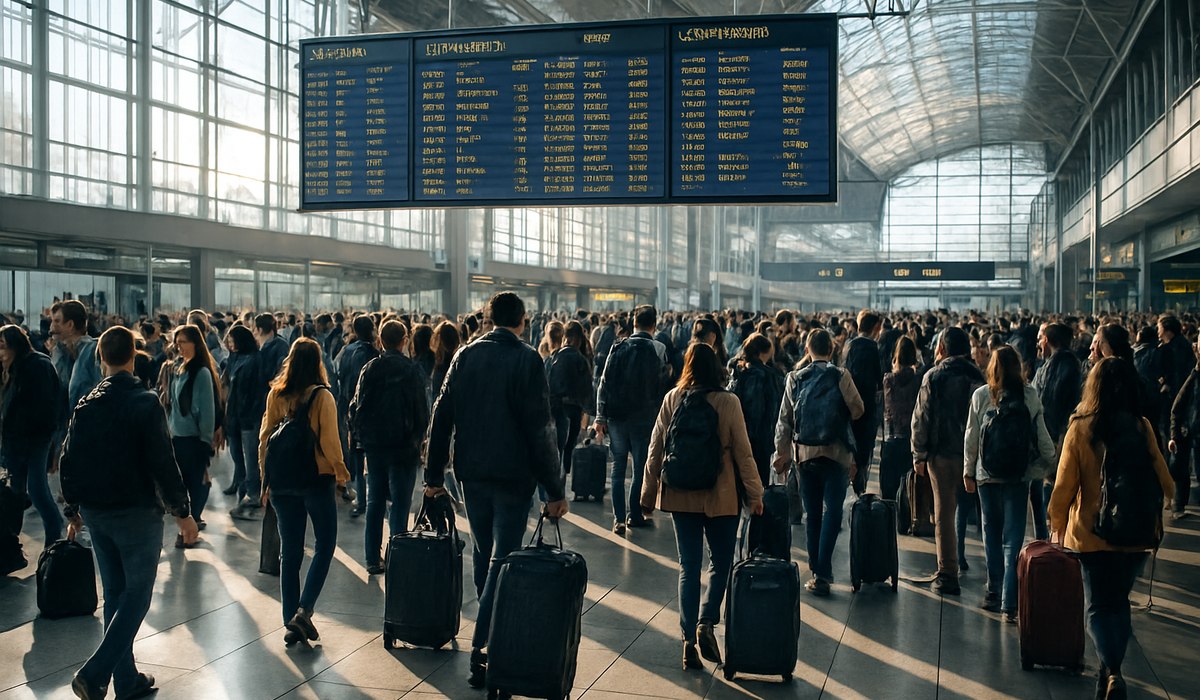
Image generated by AI
Spring Break Surge Collides With Systemwide Weather Chaos at Harry Reid Airport
Harry Reid International Airport in Las Vegas is experiencing unprecedented operational strain as spring break travel peaks, coinciding with severe weather disruptions across major U.S. hubs and cascading staffing shortages. The convergence has triggered airline stock volatility, stranded thousands of passengers, and highlighted the fragility of interconnected aviation networks during peak demand periods. Reports indicate that over 100 flights touching Las Vegas experienced delays or cancellations on multiple days in mid-to-late March 2026, with impacts rippling across domestic networks as aircraft and crews arrived out of position from storm-affected cities.
The situation underscores how vulnerability at a single major airport—even one with clear local weather—can compound systemwide disruptions when feeder city operations falter. For nomadic professionals and leisure travelers, understanding these dynamics is critical for planning spring break itineraries through one of America's busiest airport hubs.
Spring Break Surge Meets Systemwide Weather Disruptions
Harry Reid Airport ranks among the nation's busiest leisure destinations, processing record passenger volumes in early 2026 as college students, families, and convention attendees funneled through Las Vegas. The spring break period typically concentrates demand into tight weekend windows, straining both airport infrastructure and airline scheduling precision.
This year's convergence proved particularly damaging. Severe weather systems across the Midwest and East Coast in March disrupted operations at major hubs including Atlanta and New York, creating bottlenecks that cascaded westward. While Las Vegas enjoyed clear skies, the airport appeared on national delay dashboards alongside these primary hubs—a direct result of late-arriving aircraft from weather-affected regions.
Airlines attempting schedule recovery during peak leisure demand face limited flexibility. Each delayed aircraft represents compressed turnaround times, tighter connection windows, and passengers with few rebooking options. For Harry Reid, which depends heavily on domestic leisure traffic, this concentration of demand meant that even modest systemwide delays transformed into major operational challenges. Check real-time conditions via FlightAware to monitor current disruption patterns.
Cascading Delays From Feeder Cities Impact Las Vegas Operations
The interconnected nature of modern aviation meant that disruptions hundreds of miles away directly impacted Harry Reid passengers. Aircraft scheduled to depart Las Vegas often originated from storm-affected cities, arriving late and forcing airlines to choose between further delays or cancellations.
This network effect proved particularly severe during spring break weekend peaks. A flight delayed departing from Atlanta by four hours would eventually impact Las Vegas outbound schedules 12-18 hours later, after accounting for intermediate stops and crew rest requirements. Airlines operating narrow-body fleets serving Las Vegas—primarily Southwest, Delta, and United—faced exponential challenges managing equipment rotations across disrupted networks.
Local travel commentary highlighted specific operational windows when screening delays combined with aircraft positioning issues created perfect storms of passenger frustration. Early morning and off-peak departures occasionally moved smoothly, while late afternoon and evening flights—when spring break travelers concentrate—faced systematic compression. The FAA documented how single-source disruptions at Harry Reid's feeder cities fundamentally altered operational capacity across the Las Vegas leisure market.
Staffing and Security Bottlenecks Compound Travel Chaos
Beyond weather and equipment positioning, Transportation Security Administration staffing limitations created additional friction points. While Harry Reid's screening checkpoint performance varied significantly by time of day, peak spring break periods revealed capacity constraints that compressed connection windows further.
Federal staffing discussions added ambient anxiety for travelers planning spring break departures. However, on-ground reporting suggested that Harry Reid's local TSA staffing remained adequate for most hours, with bottlenecks appearing primarily during peak leisure travel concentrations—typically Friday-Sunday afternoons and early evenings.
The critical vulnerability emerged when screening delays coincided with equipment disruptions. A 15-minute checkpoint delay during an already-compressed schedule effectively eliminated passenger buffer time. Airlines scheduled increasingly tight aircraft turnaround times (30-45 minutes) to maximize daily utilization, leaving zero margin for security screening variability. This operational brittleness meant that even minor staffing fluctuations cascaded into downstream cancellations and delays, impacting traveler accessibility across Harry Reid's network.
Airlines Face Stock Volatility Amid Operational Strain
The operational crisis at Harry Reid and systemwide weather disruptions triggered measurable market reactions. Airline stocks exhibited increased volatility as investors priced in revenue impacts from cancellations, rebooking costs, and potential regulatory scrutiny regarding operational resilience.
Major carriers including Southwest Airlines, United Airlines, and Delta Air Lines—all significant operators at Harry Reid—experienced share price pressure as operational metrics deteriorated and passenger service failures mounted. Spring break represents peak revenue opportunity for leisure-focused carriers, making flight cancellations and schedule disruptions financially significant.
Industry analysts noted that airlines' inability to maintain schedule reliability during predictable peak demand periods raised questions about infrastructure adequacy and staffing investments. For equity investors, these recurring spring break disruptions suggested structural profitability headwinds, particularly for carriers with heavy Las Vegas exposure. The combination of demand concentration, weather vulnerability, and staffing constraints created a narrative of operational fragility that markets penalized, even as forward booking data remained solid.
Key Operational Impact Data
| Metric | Details |
|---|---|
| Peak Disruption Days | Mid-to-late March 2026 (March 15-21, March 28-31) |
| Flights Impacted (Harry Reid) | 100+ delayed or canceled on peak disruption days |
| Primary Weather Zone | Midwest and East Coast systems affecting feeder cities |
| Passenger Concentration | Spring break weekend peaks (Friday-Sunday 2-8 PM) |
| Average Delay Duration | 2.5-4 hours for cascading network delays |
| Affected Major Carriers | Southwest Airlines, United Airlines, Delta Air Lines, Alaska Airlines |
| Security Wait Variation | 5-15 minutes off-peak; 25-45+ minutes peak weekend periods |
What This Means for Travelers
Spring break travelers considering Las Vegas bookings should implement strategic planning to minimize disruption exposure.
Traveler Action Checklist:
- Monitor weather patterns two weeks before travel – Check FAA advisories for Midwest and East Coast conditions, not just Las Vegas forecasts
- Book early morning departures when possible – Bypass afternoon peak congestion windows with 6-8 AM flights departing Harry Reid
- Verify aircraft origin the day before travel – Use FlightAware to confirm your aircraft originated from low-disruption regions
- Allow 3+ hours for connections through Harry Reid – Compress normal 2-hour connection windows to account for cascade delays from feeder cities
- Enroll in airline notifications – Receive proactive rebooking offers before delays cascade systemwide
- Document operational disruptions – Keep records of airline delays exceeding two hours for potential DOT compensation claims under U.S. Department of Transportation regulations
- Consider mid-week travel alternatives – Tuesday-Thursday departures experience significantly fewer spring break concentrations
- Review cancellation policies before booking – Prioritize flexible fares allowing free rebooking without change fees during disruption periods
Frequently Asked Questions
Q: How do I track current delays at Harry Reid Airport? Real-time delay information is available through FlightAware, which displays live airport operational status, specific flight delays, and estimated recovery timelines. The FAA's website also provides national delay information by airport and cause. Airline customer service apps offer flight-specific updates directly to passengers.
Disclaimer
This article is for informational and educational purposes only. It does not constitute legal, financial, or professional advice. While we strive to provide accurate and up-to-date information, travel policies, regulations, and conditions change rapidly. Always verify information with official sources before making travel decisions. Nomad Lawyer makes no representations about the accuracy, reliability, completeness, or suitability of the information provided. Readers should consult qualified professionals for advice specific to their circumstances. The views expressed in this article are those of the author and do not necessarily reflect the views of Nomad Lawyer.
Raushan Kumar
Founder & Lead Developer
Full-stack developer with 11+ years of experience and a passionate traveller. Raushan built Nomad Lawyer from the ground up with a vision to create the best travel and law experience on the web.
Learn more about our team →