
Gulmarg Adventure Guide 2026: Skiing, Trekking, and Backcountry Powder in the Himalayas
Master Gulmarg in 2026 with the definitive adventure guide to Asia's premier ski resort and Himalayan trekking haven. Explore Phase 2 Gondola powder, Alpather Lake treks, backcountry safety, and Kashmiri après-ski.

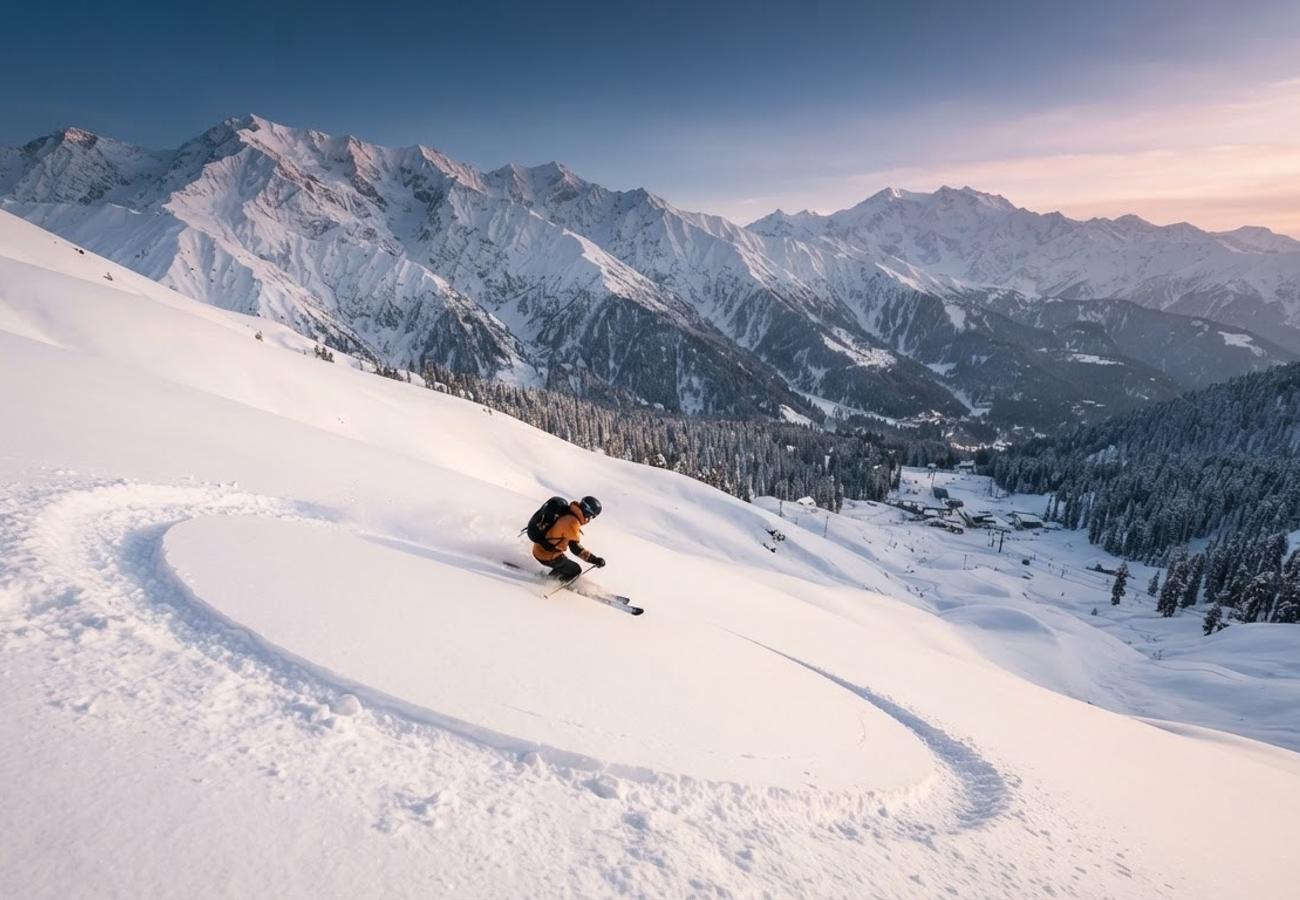
Image generated by AI
Perched at an elevation of 2,650 meters in the Pir Panjal range of Jammu and Kashmir, the meadow of flowers known as Gulmarg has evolved from a serene colonial summer retreat into Asia’s undisputed capital of high-altitude big-mountain skiing and alpine adventure. In 2026, as international skiers and trekking enthusiasts flock to the western Himalayas, Gulmarg offers an experience unlike anywhere else on the planet: where a two-stage cable car whisks travelers up to 3,980 meters on Mount Apharwat, opening up vast powder bowls, untracked backcountry lines, and panoramic views stretching to Nanga Parbat across the Line of Control.
Whether you are seeking knee-deep maritime powder in midwinter or trekking through wildflower-carpeted alpine ridges and frozen glacial tarns in midsummer, navigating Gulmarg requires thorough preparation. Between altitude acclimatization, strict online Gondola reservation windows, avalanche safety protocols, and snow-chain transfers from Tangmarg, a successful Himalayan expedition demands local knowledge.
Here is the complete insider guide to skiing, trekking, and exploring Gulmarg in 2026.
Gulmarg Adventure Matrix: Seasonal Breakdown
| Season | Months | Elevation Range | Core Activities | Snow / Trail Conditions | Recommended Gear |
|---|---|---|---|---|---|
| Deep Winter (Peak Powder) | Late Dec – Feb | 2,650 m – 3,980 m | Heli-skiing, Gondola freeride, snowboarding | Dry, light Himalayan powder; sub-zero temps (-10°C to -2°C) | Avalanche beacon, probe, shovel, fat powder skis (105mm+) |
| Spring Thaw (Corn Snow) | Mar – Apr | 2,650 m – 3,500 m | Intermediate piste skiing, snowshoeing, sledge rides | Firn and corn snow on upper slopes; melting meadows below | Polarized glacier glasses, breathable hard shells, sunscreen |
| Summer Alpine (Trekking) | May – Aug | 2,650 m – 4,200 m | Alpather Lake trek, Khilanmarg hikes, golf | Lush meadows (marg), blooming lupines, thawed trails | Sturdy ankle-support trekking boots, trekking poles, rain shell |
| Autumn Golden Season | Sep – Nov | 2,650 m – 3,000 m | Photography, mountain biking, cultural walks | Crisp mountain air, golden chinar leaves, clear skies | Warm fleeces, light windbreaker, trail running shoes |
1. The Legendary Gulmarg Gondola: Navigating Phase 1 and Phase 2
The heartbeat of Gulmarg’s adventure ecosystem is the French-built Pomagalski Gondola—one of the highest operating cable cars in the world, carrying visitors from the base bowl to the shoulder of Mount Apharwat.
-
Phase 1 (Gulmarg Base to Kongdoori, 3,050 m): Ascending through dense pine forests, Phase 1 takes approximately 10 minutes. Kongdoori bowl features gentle green and blue grooming runs ideal for beginners, snow tubing tracks, and rustic wooden cafes serving hot Kashmiri Kehwa and spicy Maggi noodles.
-
Phase 2 (Kongdoori to Apharwat Peak, 3,980 m): This stage enters serious high-alpine terrain above the tree line. Exiting the upper station at nearly 4,000 meters, you are greeted by howling winds, razor-sharp ridge lines, and wide expanses of untamed alpine powder. Only intermediate-to-expert skiers and acclimatized hikers should venture beyond the station building.
-
Chairlift (Kongdoori to Mary Shoulder): Added to relieve congestion on Phase 2, this fixed-grip quad chairlift serves mid-level tree runs and accessible powder fields that remain sheltered when high winds close Phase 2.
-
Crucial 2026 Booking Tip: Tickets for Phase 2 sell out within minutes of being released online. The Jammu & Kashmir Cable Car Corporation releases tickets strictly via the JK Cable Car Official Portal precisely 30 days in advance. Never rely on touts at the base station; paper tickets are non-transferable and matched against government ID.
2. World-Class Skiing and Backcountry Freeride
What sets Gulmarg apart from European or North American ski resorts is the sheer scale of uncontrolled, lift-accessible backcountry terrain. Storms originating from the Mediterranean (Western Disturbances) collide with the Pir Panjal range, dumping meters of impossibly light, dry powder.
Iconic Descents
- Sheenmai Bowl: A sprawling south-facing bowl directly accessible from Phase 2, offering 1,000 vertical meters of wide-open turns tapering into rolling glades.
- Shark Fin: An imposing knife-edge alpine ridge requiring a 45-minute bootpack from the Phase 2 summit station. Reserved exclusively for expert freeriders comfortable with 45-degree pitches and rocky chutes.
- The Paper Trees: When high winds or heavy blizzards shut down the upper mountain, the old-growth birch and pine forests between Kongdoori and the village provide world-class storm tree skiing with natural pillows and wind protection.
Backcountry Safety Protocols
Gulmarg's ski patrol manages avalanche mitigation (using explosives) strictly within the immediate marked perimeter of the Phase 2 piste. Every square meter beyond that boundary is wild, uncontrolled backcountry. In 2026, certified avalanche rescue gear—including a 3-antenna digital transceiver (beacon), collapsible 240cm+ probe, and metal snow shovel—is mandatory for anyone exiting the backcountry access gates. Hiring a certified local guide accredited by the Indian Institute of Skiing and Mountaineering (IISM) is strongly advised.
3. Summer Alpine Trekking and Wilderness Circuits
When the snow recedes in late spring, Gulmarg transforms into a vivid green carpet of alpine meadows surrounded by snowcapped crests.
The Alpather Lake Trek
Situated at an altitude of 3,840 meters in a glacial cirque behind Mount Apharwat, Alpather Lake remains semi-frozen well into mid-July, earning it the moniker "Frozen Lake." From the Phase 2 Gondola station, hikers follow a rocky 2-kilometer trail traversing moraine scree and snowdrifts to reach the turquoise waters. The total trek takes roughly 2.5 to 3 hours round-trip.
Khilanmarg and Ferozepur Nallah
- Khilanmarg Meadow: A gentle 4-kilometer uphill hike from Gulmarg village through fragrant pine groves to an open high meadow ablaze with wildflowers in June and July. It offers sweeping panoramic views of the entire Kashmir Valley.
- Ferozepur Nallah: A rushing mountain stream fed by glacial runoff, famous among local anglers for wild brown and rainbow trout fishing (permits required from the J&K Fisheries Department) and tranquil riverside day picnics.
4. Heritage and High-Altitude History
Beyond extreme sports, Gulmarg preserves a rich tapestry of Himalayan heritage:
- The Historic Gulmarg Golf Course: Established in 1911 by Sir Neville Chamberlain, this 18-hole championship layout sits at 2,650 meters, making it the highest green golf course in the world. Open from June to October, its rolling fairways wind among towering Himalayan firs.
- St. Mary’s Church: A stunning 110-year-old Victorian-era stone chapel set against pine-clad slopes, renowned for its stained glass artistry and fairytale winter snowdrifts.
- Maharani Temple (Mohineshwar Shivalaya): Built in 1915 by Queen Mohini Bai Sisodia, this bright-red-roofed Shiva temple crowns a central hillock in the meadow and is visible from almost every corner of the valley.
5. Kashmiri Mountain Hospitality and Après-Ski Culture
After a grueling day carving waist-deep powder or hiking alpine passes, Gulmarg’s après-ski scene centers around warmth, camaraderie, and legendary Kashmiri cuisine:
- Traditional Bukhari Stoves: Most heritage lodges and wooden hotels rely on bukharis—cylindrical wood-burning iron stoves that radiate comforting dry heat throughout bedrooms and common lounges.
- Kashmiri Kehwa: A soothing saffron-infused green tea brewed with whole green cardamom, cinnamon bark, and slivered almonds, traditionally served from an ornate copper samovar.
- The Royal Wazwan Feast: For dinner, savor iconic multi-course specialties including Rogan Josh (slow-cooked Kashmiri lamb in aromatic mawal flower extract), Gushtaba (silky mutton meatballs poached in fragrant yogurt gravy), and Dum Aloo (spiced baby potatoes slow-steamed in fennel seed sauce).
Essential 2026 Logistics: Getting There and Staying Safe
1. Transport from Srinagar to Gulmarg
- The Route: Flights land at Srinagar International Airport (SXR), located 56 kilometers from Gulmarg. The drive takes approximately 2 hours.
- The Tangmarg Transfer: During the winter months (December to April), regular two-wheel-drive taxis cannot proceed past Tangmarg (12 km below Gulmarg) due to black ice and heavy snow. Travelers must switch to registered 4x4 vehicles equipped with tire snow chains. Fixed rates are set by the Tangmarg Taxi Union.
2. Gear Rentals and Equipment Sourcing
High-end powder skis, snowboards, avalanche safety packs, and winter boots can be rented in Gulmarg village or pre-arranged through licensed local gear shops in Tangmarg and Gulmarg. Inspect boots carefully for cracked buckles and ensure ski bindings match your DIN setting before heading up Mount Apharwat.
3. Medical and Altitude Considerations
At nearly 4,000 meters on Phase 2, atmospheric pressure drops significantly. Spend at least your first 24 hours acclimatizing in Gulmarg village (2,650 m) before ascending to Apharwat peak. Drink plenty of water, avoid alcohol on your first evening, and carry portable oxygen canisters if you are prone to acute mountain sickness (AMS).
FAQ: Visiting Gulmarg in 2026
What is the best month to visit Gulmarg for deep snow?
Late January through mid-February consistently delivers the deepest, lightest powder conditions for freeride skiing and snowboarding, with snow depths on Mount Apharwat often exceeding four meters.
Can non-skiers visit Phase 2 of the Gondola?
Yes. Non-skiers are welcome to ride Phase 2 to marvel at the 360-degree Himalayan views, take photographs, and experience walking on high-altitude snow. However, dress warmly in layered windproof gear, sunglasses, and insulated snow boots.
Is it safe to ski off-piste without a guide in Gulmarg?
No. Gulmarg’s backcountry features severe avalanche hazards, deep tree wells, cornices, and cliffs. Unless you possess extensive backcountry route-finding expertise and certified avalanche training, always hire an experienced local guide.
How many days are recommended for a Gulmarg adventure trip?
For a ski vacation, plan at least 5 to 7 days to allow for acclimatization and weather buffers (storm days when upper lifts are closed). For summer trekking and sightseeing, 3 to 4 days provides a balanced itinerary.
Standing atop Mount Apharwat as the morning sun illuminates the towering jagged peaks of the western Himalayas, you understand why Gulmarg remains an eternal sanctuary for those who hear the call of the high mountains.
Related Travel Guides
- Jammu and Kashmir Tourism Report: Decade Record of Nearly 13 Crore Visitors Realigned
- Pilgrims and Rapids: The Insider Rail and River Guide to the Garhwal Himalayas from Rishikesh to Karnaprayag
- Delhi–Rishikesh–Karnaprayag Railway: How Uttarakhand’s Semi-High-Speed Network Is Revolutionizing Himalayan Pilgrimages
Disclaimer
This article is for informational and educational purposes only. It does not constitute legal, financial, or professional advice. While we strive to provide accurate and up-to-date information, travel policies, regulations, and conditions change rapidly. Always verify information with official sources before making travel decisions. Nomad Lawyer makes no representations about the accuracy, reliability, completeness, or suitability of the information provided. Readers should consult qualified professionals for advice specific to their circumstances. The views expressed in this article are those of the author and do not necessarily reflect the views of Nomad Lawyer.
Raushan Kumar
Founder & Lead Developer
Full-stack developer with 11+ years of experience and a passionate traveller. Raushan built Nomad Lawyer from the ground up with a vision to create the best travel and law experience on the web.
Learn more about our team →