
Bavarian Hops in the Highlands: Guatemala City Hosts Oktobierfest 2026 at Parque de la Industria
Taking place on Saturday, October 10, 2026, at Parque de la Industria in Zone 9, Oktobierfest Guatemala anchors a packed autumn cultural calendar across the capital city.

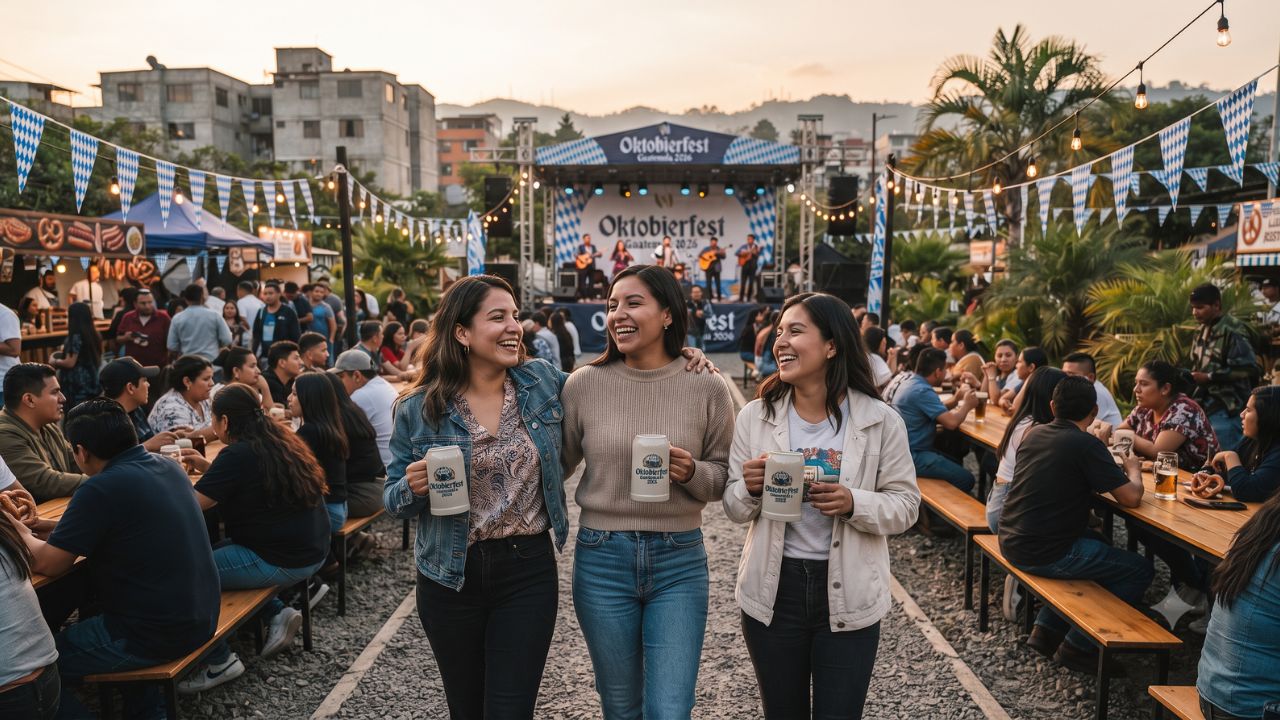
Guatemala City celebrating international gastronomy and regional brewing culture at Parque de la Industria
While most international visitors treat Guatemala City merely as a transit gate on their way to Antigua’s cobblestones or Lake Atitlán’s volcanic shores, the capital’s central highland valleys are building one of Central America’s most dynamic urban festival scenes. On Saturday, October 10, 2026, from 12:00pm to 9:00pm, Parque de la Industria in Zone 9 hosts the ninth-hour celebration of Oktobierfest Guatemala 2026, anchoring an October cultural wave promoted across the country by the Guatemala Tourism Institute (INGUAT).
Anchoring a Vibrant Capital City Autumn Calendar in Zone 9
The relocation of the festival to Parque de la Industria, situated at 8a Calle 2-33 in Zone 9, marks a significant shift from previous editions held at the outlying San Agustín Bike Park. Moving into the capital’s primary exhibition complex places the event directly within the central urban core, minutes from La Aurora International Airport (GUA) and the major hotel and business corridors of Zone 9 and Zone 10.
Oktobierfest Guatemala 2026 is part of a remarkably dense cultural week in the capital. The festival takes place immediately following the family-focused Festival de Geodiversidad on October 4 and coincides directly with the youth musical showcases of the Festival de Vientos on October 9 and 10. Concurrently, Guatemala Film Week launches its opening-night screenings on October 10.
Tickets for the beer festival are distributed through the Fanaticks ticketing platform, with presale passes priced at Q175, following earlier entry tiers at Q160 and preceding final-tier gate pricing expected at Q195. Each ticket package provides entry to the continuous live music program, a commemorative festival mug, a themed wristband, a collectible pin, and two 12-ounce pours.
What Makes Guatemala City's Urban Culture Distinct
Guatemala City sits in the mountainous Valle de la Ermita at an altitude of 1,500 meters (nearly 5,000 feet), surrounded by three prominent volcanic peaks: Agua, Fuego, and Pacaya. This high-altitude plateau creates a temperate climate known as the "Land of Eternal Spring," where mild daytime temperatures and crisp mountain evenings provide ideal conditions for outdoor communal gatherings.
The city’s urban layout is divided into numbered zones that spiral outward from the historic Centro Histórico in Zone 1. While the colonial capital of Antigua Guatemala—protected under the UNESCO World Heritage Centre—celebrates preserved 16th-century Spanish baroque ruins, Guatemala City offers a complex contrast of mid-century civic architecture, cutting-edge art collectives in the creative Cantón Exposición (Zone 4), and high-end gastronomic districts along the tree-lined boulevards of Zone 10 (Zona Viva).
Oktobierfest reflects this cosmopolitan blending. Rather than presenting a generic replica of European folk festivals, the event merges Bavarian brewing rituals with Guatemalan social warmth, regional craft beer innovations, and traditional local cuisine, creating an inviting space where local residents and international travelers connect over shared tables.
Visitor Insider Tips for Exploring Guatemala City in October
Navigating the capital during autumn requires an insider understanding of zone navigation, secure transit options, and regional dining traditions.
Navigating Zones and Urban Transport
Guatemala City's zones have distinct characteristics. For lodging and dining, base yourself in Zone 10 (Zona Viva), Zone 14, or the artistic hub of Zone 4. When traveling between your hotel, Parque de la Industria, and downtown cultural venues, avoid hailing unmarked street cabs; use app-based ride-hailing services like Uber or arrange registered radio taxis through your hotel concierge for predictable pricing and direct routing.
Exploring Ancient Maya and Colonial Heritage
Before heading to the festival grounds in the afternoon, dedicate your morning to the world-class museums located in Zone 13, just five minutes south of Parque de la Industria. The National Museum of Archaeology and Ethnology, managed by the Ministry of Culture and Sports, houses an extraordinary collection of jade burial masks, carved stelae, and polychrome pottery excavated from ancestral Maya sites including Tikal and Kaminaljuyu.
Experiencing Guatemalan Craft Beer and Distilling
Guatemala's craft brewing industry has expanded significantly over the past decade. Beyond classic German lagers, seek out regional craft ales infused with native highland ingredients, including raw cacao nibs, cardamom from Alta Verapaz, and shade-grown single-origin Arabica coffee beans from Antigua and Huehuetenango. Pair your beer with a glass of Zacapa Centenario, the country’s world-renowned rum aged in high-altitude oak casks.
Savoring Traditional Chapín Gastronomy
While the festival venue will serve pretzels, sausages, and hearty grilled meats, make time during your city stay to explore authentic Guatemalan heritage dishes. Visit traditional restaurants in Zone 1 to taste pepián—a pre-Columbian spiced stew made with roasted pumpkin seeds, sesame, dried chilies, and tender chicken, served with warm hand-patted corn tortillas. For late-night street food, try shucos, the beloved Guatemalan hot dog loaded with creamy mashed avocado, boiled cabbage, chimichurri, and grilled chorizo on toasted bread.
Cultural and Environmental Context of Modern Guatemala
Guatemala City's evolving event calendar represents a broader effort to revitalize public spaces and encourage sustainable urban tourism across the capital. Historically, international travelers bypassed the city due to urban congestion, leaving tourism spending concentrated exclusively in rural tourist enclaves.
By organizing well-managed, secure cultural festivals in central venues like Parque de la Industria, municipal authorities and independent promoters are diversifying the local creative economy. These gatherings create direct revenue for local independent musicians, sound technicians, regional food artisans, and hospitality workers.
Furthermore, community initiatives are actively expanding green spaces throughout the capital. Urban ravine trails (barrancos) and municipal reforestation projects around the Metropolitan Cultural Center are restoring native pine-oak habitats and safeguarding critical watershed basins that supply drinking water to over three million residents in the metropolitan area.
FAQ: Visiting Guatemala City for Oktobierfest 2026
When and where does Oktobierfest Guatemala 2026 take place?
The festival takes place on Saturday, October 10, 2026, from 12:00pm to 9:00pm at Parque de la Industria (8a Calle 2-33, Zone 9) in Guatemala City.
What is included in the festival ticket?
The presale ticket (Q175) includes admission to live music performances, a commemorative mug, two 12-ounce beers, a themed wristband, and a festival pin.
Is Guatemala City safe for international tourists?
Yes, when staying within designated hospitality and cultural districts such as Zone 9, Zone 10, Zone 14, and Zone 4, using registered app-based transport, and following standard urban travel precautions.
How far is Parque de la Industria from La Aurora International Airport?
Parque de la Industria is located approximately 10 minutes (3 kilometers) north of La Aurora International Airport (GUA) via Avenida Hincapié and 7a Avenida.
Beyond the quiet echoes of ancient stone pyramids, Guatemala’s beating heart is found in the laughter, shared music, and warm hospitality of its modern city streets.
Related Travel Guides
Disclaimer
This article is for informational and educational purposes only. It does not constitute legal, financial, or professional advice. While we strive to provide accurate and up-to-date information, travel policies, regulations, and conditions change rapidly. Always verify information with official sources before making travel decisions. Nomad Lawyer makes no representations about the accuracy, reliability, completeness, or suitability of the information provided. Readers should consult qualified professionals for advice specific to their circumstances. The views expressed in this article are those of the author and do not necessarily reflect the views of Nomad Lawyer.
Naina Thakur
Contributor & Travel Specialist
Travel enthusiast and legal writer covering visa regulations, responsible tourism, and cultural journeys across global destinations.
Learn more about our team →