
Guadalajara World Cup 2026: Mexico's Cultural Capital Transforms into Global Football Destination with Historic Landmarks and Mariachi Magic
Guadalajara emerges as a premier World Cup 2026 destination, blending stadium excitement with UNESCO heritage sites, mariachi traditions, and authentic Mexican gastronomy for international travelers.

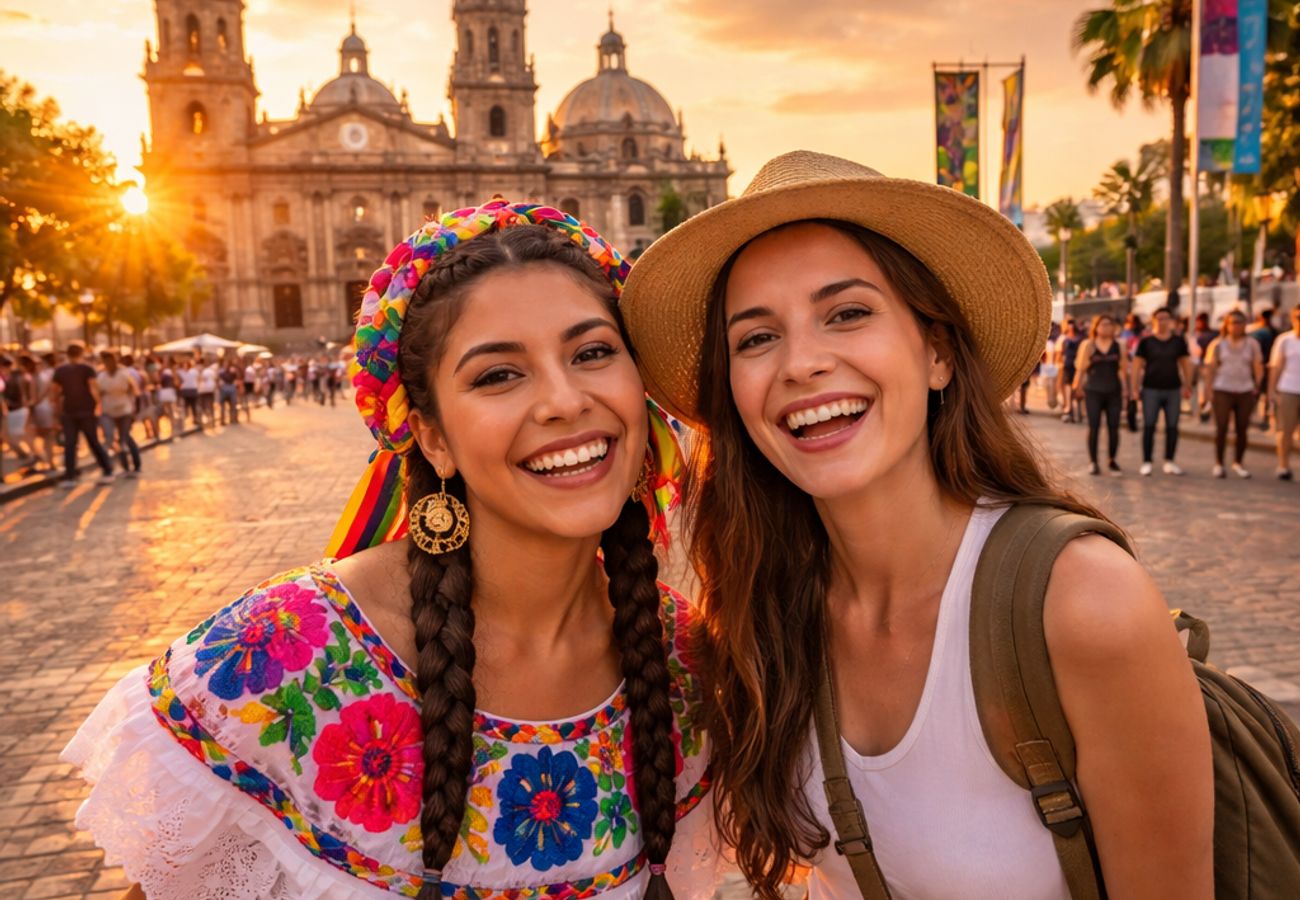
Image generated by AI
Guadalajara's Perfect Storm: Where Football Fever Meets Centuries of Mexican Heritage
As FIFA World Cup 2026 approaches, one Mexican city is quietly positioning itself as the tournament's most culturally explosive destination. Guadalajara, capital of Jalisco, isn't just hosting four group-stage matches at Estadio Guadalajara—it's offering something far rarer: a genuine immersion into the soul of Mexico itself.
The city pulses with an energy that transcends football. Cobblestone plazas echo with mariachi melodies, street vendors sizzle with authentic tacos, and colonial architecture frames every corner. For international travelers, the World Cup 2026 becomes the perfect catalyst to experience one of Latin America's most vibrant cultural centers.
Reddit: "Going to Guadalajara for the World Cup and staying for the culture. This city is the real Mexico." — r/travel
The Cathedral Effect: Historic Landmarks That Steal the Show
The Guadalajara Cathedral dominates the skyline with its iconic neo-Gothic towers, a structure that has watched over the city for over 450 years. But the real treasure lies nearby: the Hospicio Cabañas, a UNESCO World Heritage Site featuring murals by Mexican master Orozco that capture the essence of Mexican identity and struggle.
Walking through Plaza de Armas, the city's beating heart, visitors encounter perfectly preserved Spanish colonial design. This isn't museum tourism—locals still gather here to chat, street musicians perform, and the energy is unmistakably alive. These aren't mere attractions; they're living spaces where history breathes.
World Cup attendees can design itineraries blending match days with cultural expeditions. The Teatro Degollado hosts live performances just steps from where fans will celebrate victories. The accessibility matters: major cultural sites are within walking distance of accommodation and transport hubs.
Estadio Guadalajara: Modern Infrastructure Meets Regional Pride
The venue hosting the World Cup action combines world-class amenities with architectural elements reflecting Jalisco's landscape and heritage. Four group-stage matches will fill the stadium with international supporters, but city planners have strategically positioned fan zones throughout downtown to create a distributed celebration environment.
The stadium's modern infrastructure doesn't overwhelm its surroundings. Transit connections link directly to hotels, restaurants, and cultural districts. Match-day logistics remain straightforward: fans can attend games and explore the historic center within the same evening.
The Culinary Masterclass: Tasting Jalisco's Soul
Torta ahogada—a sandwich drenched in spicy chile sauce—defines Guadalajara's soul food culture. Carne en su jugo, a slow-cooked beef stew with beans, represents generations of family recipes passed down through Jalisco's markets and kitchens.
Street food vendors in neighborhoods like Tlaquepaque and Tonalá offer hands-on culinary tourism. Visitors watch artisans craft handmade pottery while sampling regional specialties. These towns sit just outside the urban core, making them ideal day trips between match days.
For spirits enthusiasts, nearby Tequila town offers distillery tours and tasting experiences. The agave fields surrounding the town reveal how Jalisco's most famous export connects to land, tradition, and craft. These excursions provide balance between sporting intensity and sensory exploration.
According to Guadalajara's official tourism board, the city welcomes over 2.8 million international visitors annually—a number expected to surge during World Cup 2026.
Mariachi, Markets, and Nightlife: Where Evenings Ignite
Avenida Chapultepec transforms after sunset into a pulsing corridor of bars, clubs, and live music venues. Mariachi bands perform nightly—sometimes spontaneously—in plazas and restaurants. This isn't staged entertainment; it's authentic cultural expression where locals and visitors naturally converge.
The city's nightlife complements match-day energy perfectly. A group celebrating a victory can transition seamlessly from stadium to bar to dance floor. The musical landscape remains distinctly Mexican: accordion-driven norteño, romantic boleros, and energetic banda music dominate the soundscape.
Markets like Mercado San Juan de Dios operate as social theaters. Vendors call out prices, families gather for meals, and the sensory overload—colors, smells, sounds—immerses travelers in authentic local commerce. These aren't tourist traps; they're where Guadalajara residents actually shop and eat.
Green Spaces and Agave Fields: Balancing Urban and Natural
Bosque Colomos, an urban forest within the city, offers shaded walking paths and botanical gardens. The park provides respite from summer heat and tournament crowds, creating pockets of calm amid the excitement.
Beyond the city limits, scenic routes lead to tequila distilleries, agave plantations, and small towns where craft traditions persist. These excursions connect travelers to the broader Jalisco region and its economic foundation in agricultural heritage.
Infrastructure Ready: Hotels, Transit, and Logistics
The city's tourism infrastructure spans boutique accommodations housed in colonial buildings to modern chain hotels. Public transport—buses, metro, and ride-sharing apps—facilitate movement without requiring car rentals. Mexico's transportation network supports millions of annual visitors with established systems for handling major events.
Accommodation options cater to every budget. Short-term rental platforms offer apartments in walkable neighborhoods. Hotels concentrate near the stadium and historic center, minimizing commute times between matches and cultural activities.
The World Cup Beyond Football
Guadalajara's World Cup 2026 moment represents something larger than tournament logistics. The city invites visitors into a living culture: where football passion intertwines with centuries of artistic tradition, culinary mastery, and human connection.
International travelers arriving for matches will discover that the real tournament extends far beyond the stadium. They'll taste authentic Mexico, hear mariachi reverberating through plazas, and witness a city confident in its identity and eager to share it.
Every visitor leaves Guadalajara changed—not because of the football alone, but because the city demands genuine engagement with its people, traditions, and soul.
The World Cup comes to Mexico; Mexico comes alive in Guadalajara.
Related Travel Guides
Disclaimer
This article is for informational and educational purposes only. It does not constitute legal, financial, or professional advice. While we strive to provide accurate and up-to-date information, travel policies, regulations, and conditions change rapidly. Always verify information with official sources before making travel decisions. Nomad Lawyer makes no representations about the accuracy, reliability, completeness, or suitability of the information provided. Readers should consult qualified professionals for advice specific to their circumstances. The views expressed in this article are those of the author and do not necessarily reflect the views of Nomad Lawyer.
Raushan Kumar
Founder & Lead Developer
Full-stack developer with 11+ years of experience and a passionate traveller. Raushan built Nomad Lawyer from the ground up with a vision to create the best travel and law experience on the web.
Learn more about our team →